














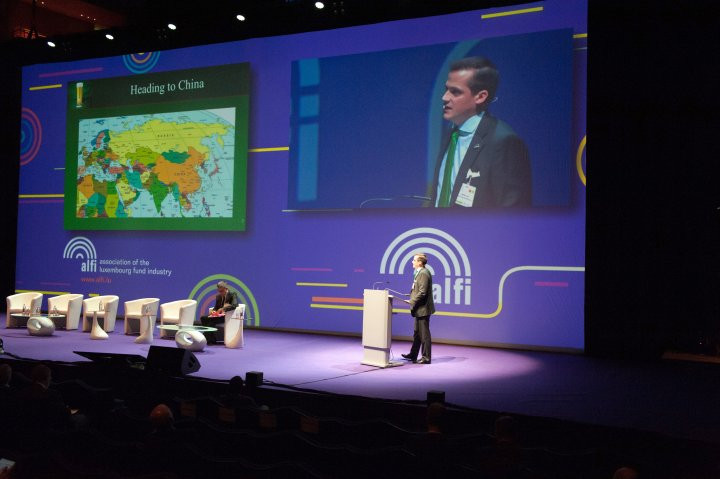

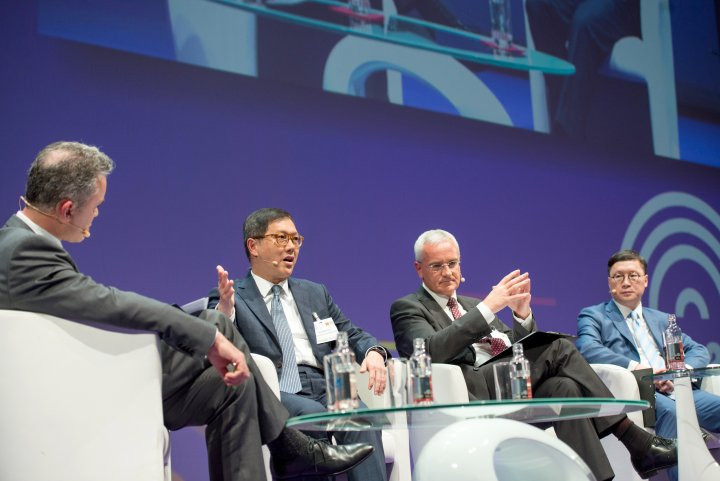
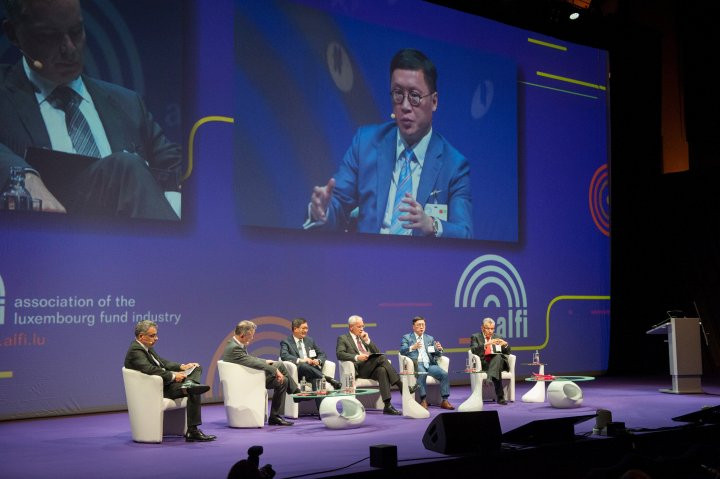

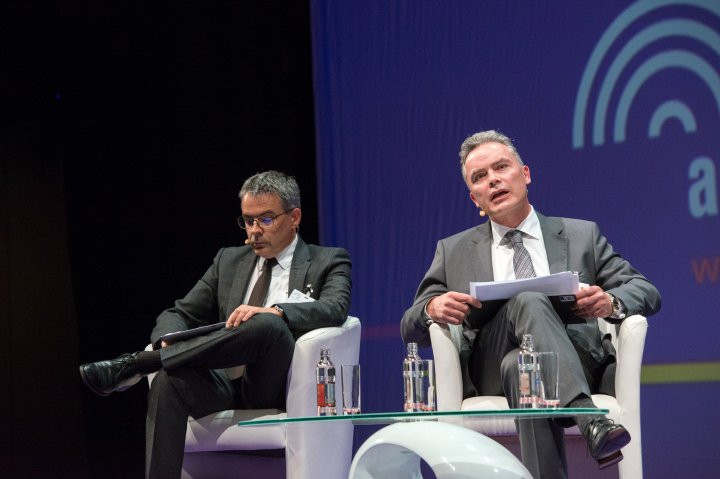
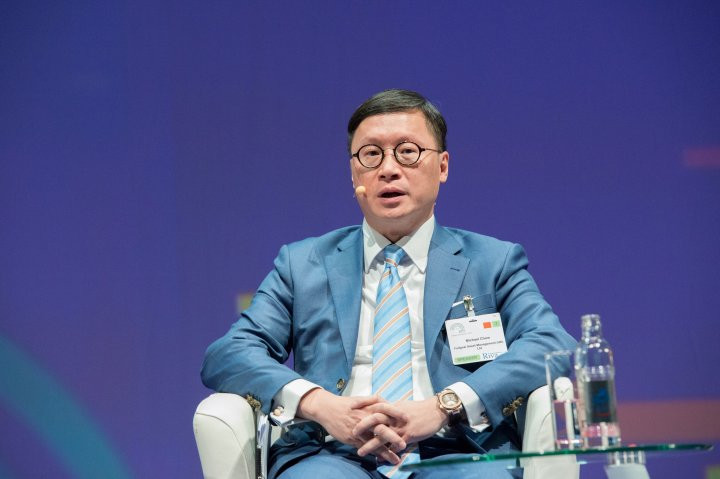
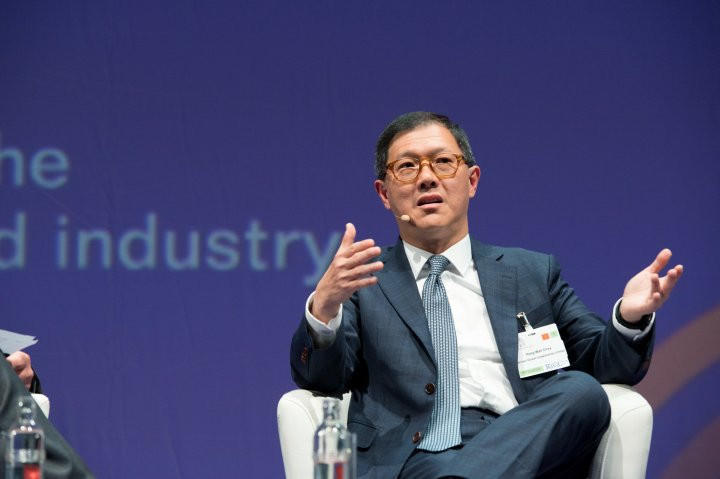
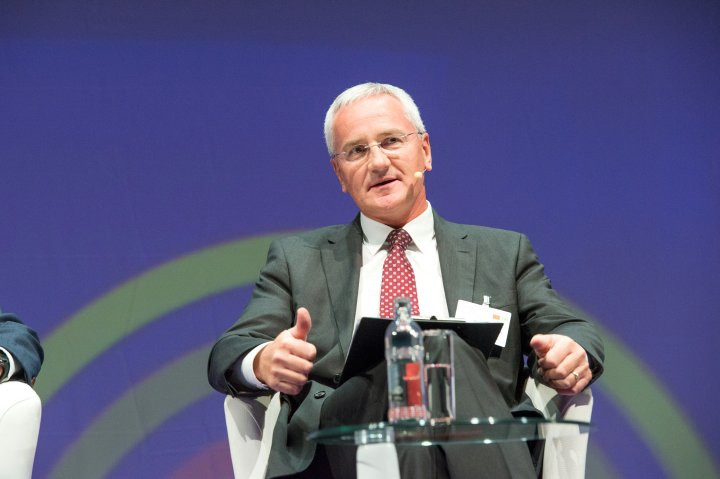
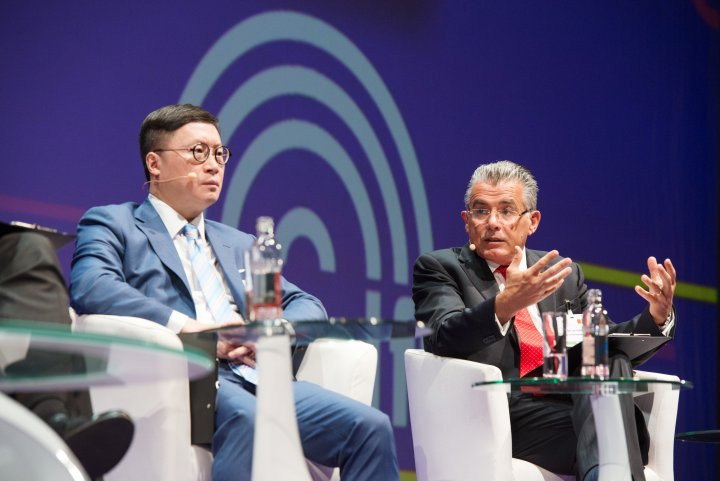
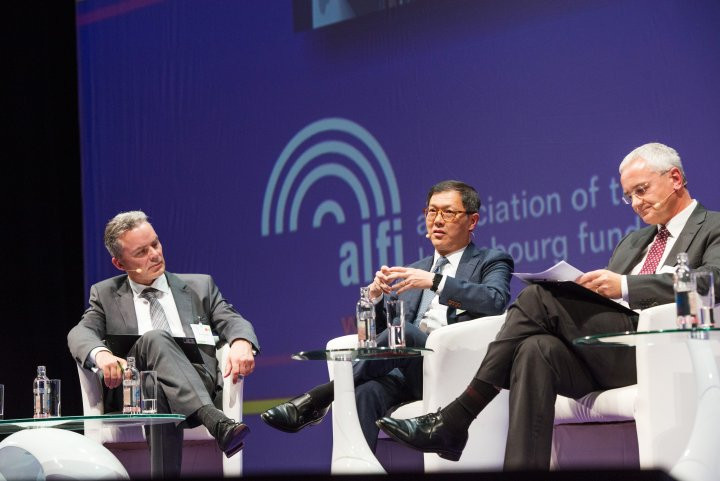
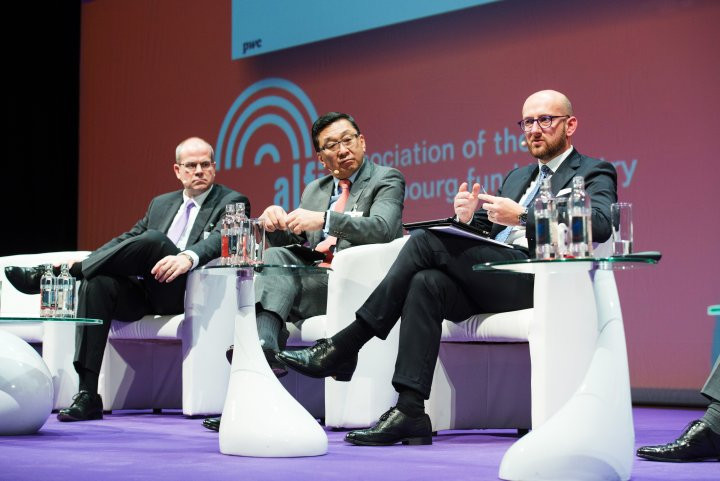
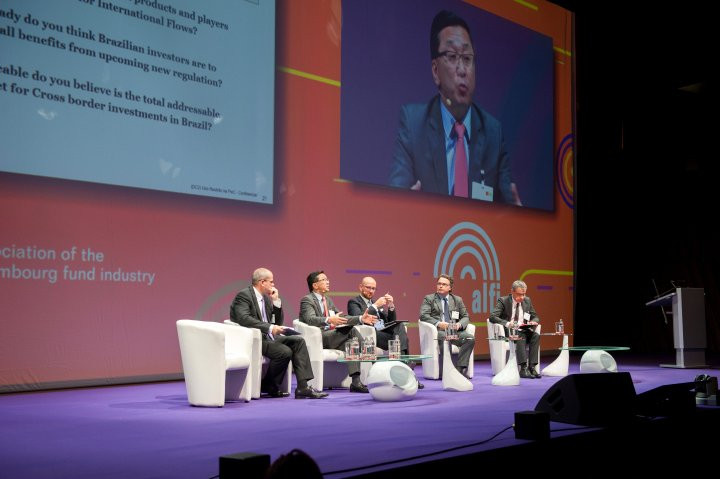
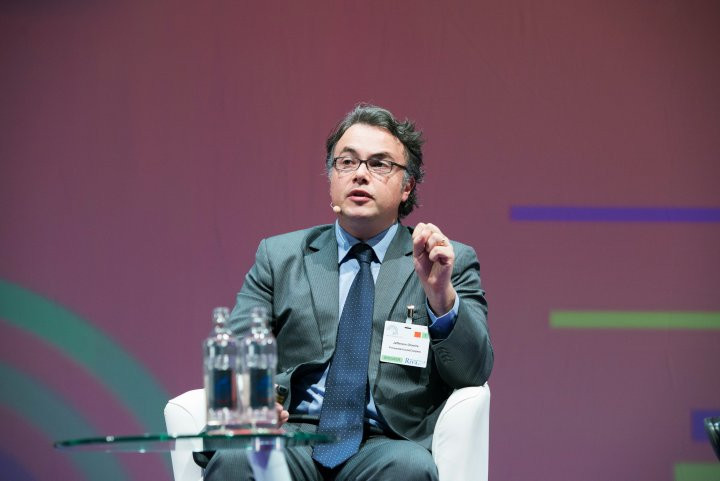
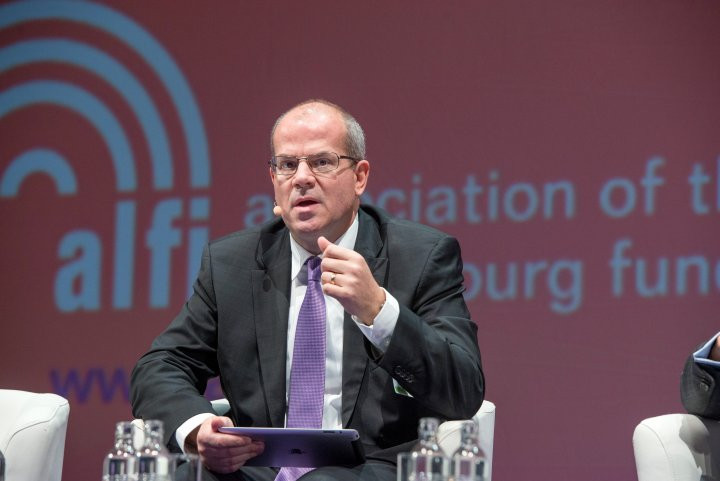
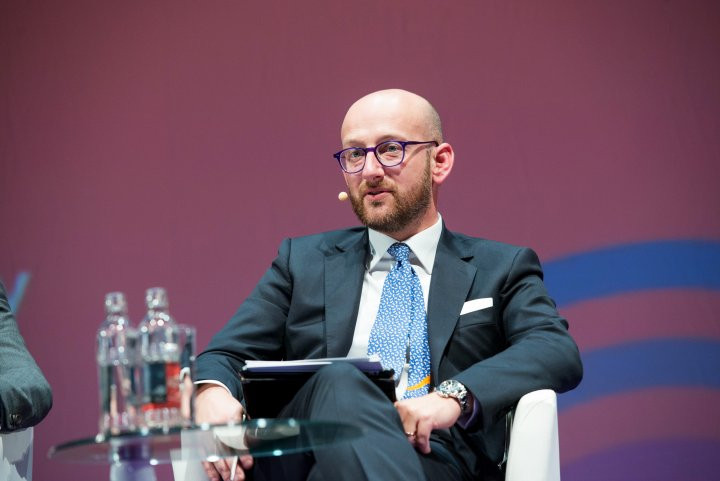
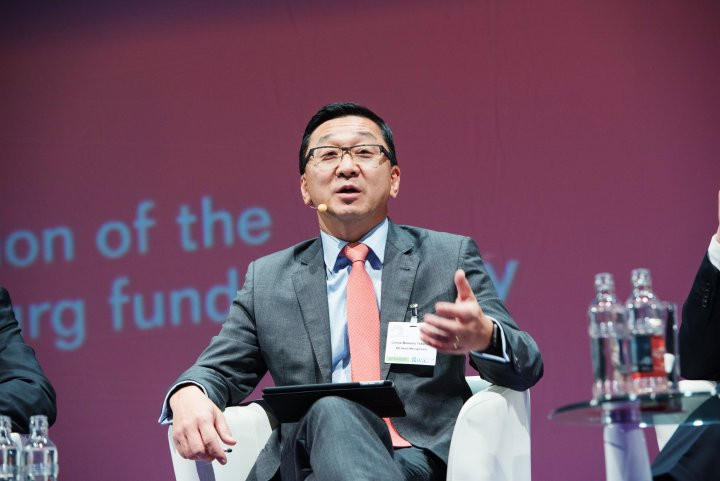

























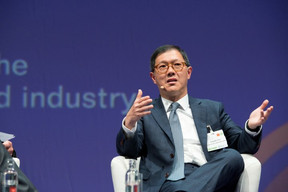
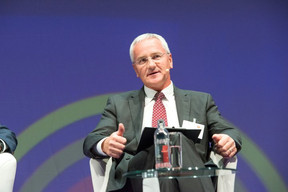
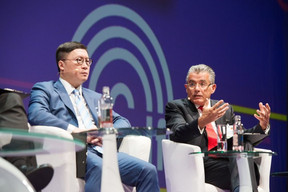
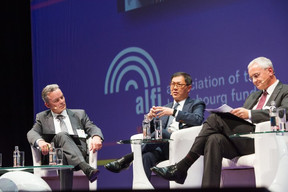
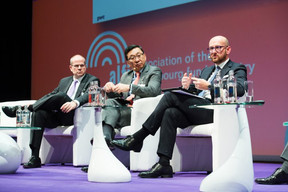
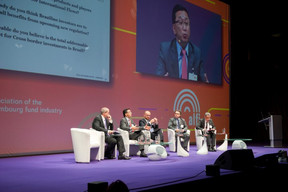

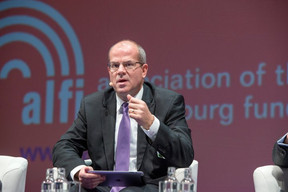
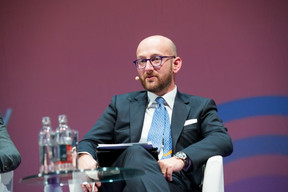
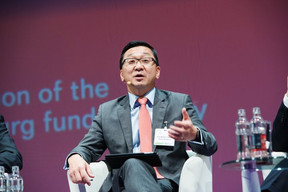


Luxembourg funds are now used widely around the world, but some big markets remain restricted, but progress is being made opening the lucrative Chinese and Brazilian markets. These trends were investigated at the Association of the Luxembourg Fund Industry Global Distribution Conference on 15 and 16 September.
Brazil’s current economic woes led to the appointment of a reformist finance minister, and new legislation is due to liberalise investment flows. As of October, a much higher proportion of investment assets held in Brazil could be invested abroad.
This would apply to pension funds (10% allowed to be invested abroad, three times the current level), retail investment funds (20%, twice the current level), professional investors (100%), and private individuals (40%-100%). The hope is that Luxembourg funds will be favoured for these investments. Brazil has 200m inhabitants and a burgeoning middle class.
These investors were largely content with their domestic investments until now, riding a booming economy fuelled by high commodity prices, agreed the ALFI panel. However now there is a greater need to look abroad to diversify portfolios. It would be a major coup for the Grand Duchy to win such business from the largest Latin American country.
The reforms will also give more access to foreign investors into the Brazilian economy, a new opportunity for the managers of Luxembourg-based funds. The industry is talking with the local players, with a trade mission to Brazil due in for October this year, the third such visit in 12 months.
Quota questions
There is a way to go before Luxembourg’s funds are available for sale on the Chinese mainland, but, steadily, access is increasing for investors. Quotas for investing into China in the local currency have been given to financial companies and countries in recent years. The result is that RMB 290bn (€40bn) of assets are now invested into China through Luxembourg-based funds.
It wasn’t until February this year that the Grand Duchy was granted its own “RQFII” quota worth RMB 50bn (€7bn), and this has not been used yet. Discussions are ongoing with the Chinese regulators and industry about the nuances of the fund industry here. This includes a major financial sector trade mission due for the end of this month.
In particular, the fund industry wants to talk to the Chinese regulator about the network of third-party management companies based here. Apparently the message needs reinforcing that these act on behalf of asset managers located elsewhere.
Still “bullish” on China
The ALFI panel appeared confident that this would go well and that Luxembourg would have a further toehold in this highly exciting market. There has been a lot of negative comment about China recently, but potential remains huge.
As Chris Edge of HSBC Bank Luxembourg told the conference, the Chinese stock market is still up by about 40% on this time last year, despite the recent crash. “Chinese investors will be encouraged to invest in funds rather than directly into the stock market, so I am bullish about China,” he said.