The government has been supporting smaller communes to join resources and pool budgets and services. Communes, for example, are responsible for waste management, primary school education and local roads but also hold key decision-making power on development plans for housing and industry.
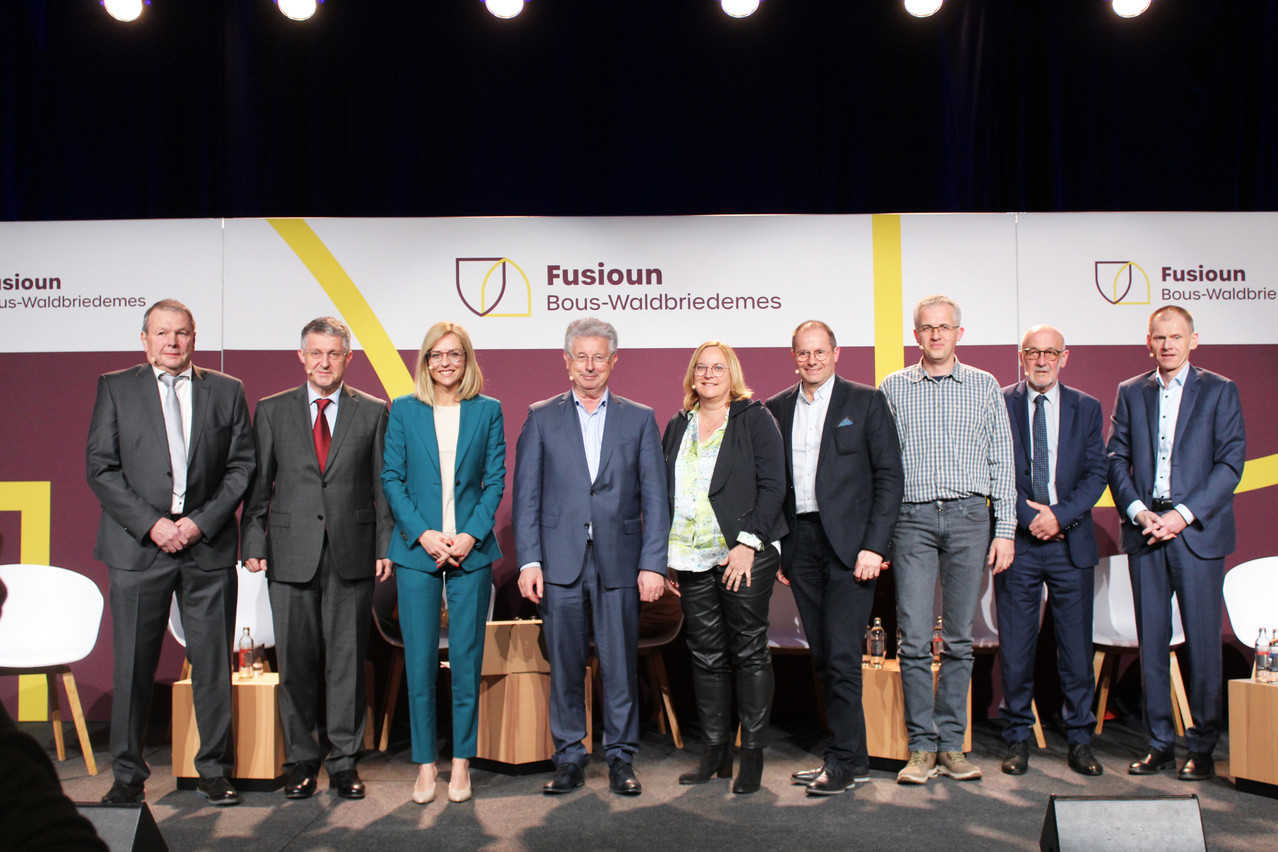
The cabinet under prime minister Xavier Bettel (DP) on Wednesday approved plans by the communes of Bous and Waldbredimus to merge, following a referendum in April. The mergers must be supported by voters in the commune, with 57% of people in Bous and 75% of people in Waldbredimus having opted for the union.
The joint administration of the new commune--Bous-Waldbredimus--will officially launch on 1 September 2023, interior minister Taina Bofferding said in a statement. The new commune will count around 3,000 residents.
The communal council will include 11 members and the aldermen’s college will feature the mayor and three aldermen, with two posts allotted for each of the previously separate entities.
With local elections coming up in June 2023, voters will be able to elect their new council ahead of the merger being fully implemented. The state is supporting the move with €6.6m, paid over five years starting 1 September next year.
Grosbous and Wahl, west of Ettelbruck, in June 2021 voted to become one municipality, a decision that will also become effective next year. A dozen commune mergers have taken place since 2004 resulting in 28 communes regrouping. A project to merge Bettendorf, Diekirch, Erpeldange, Ettelbruck and Schieren into one commune called Nordstad is ongoing.
Commune mergers have previously failed. In 2014, for example, more than two thirds of the population in the communes of Larochette, Nommern and Fischbach voted against fusing to create a new commune called Meesebuerg.