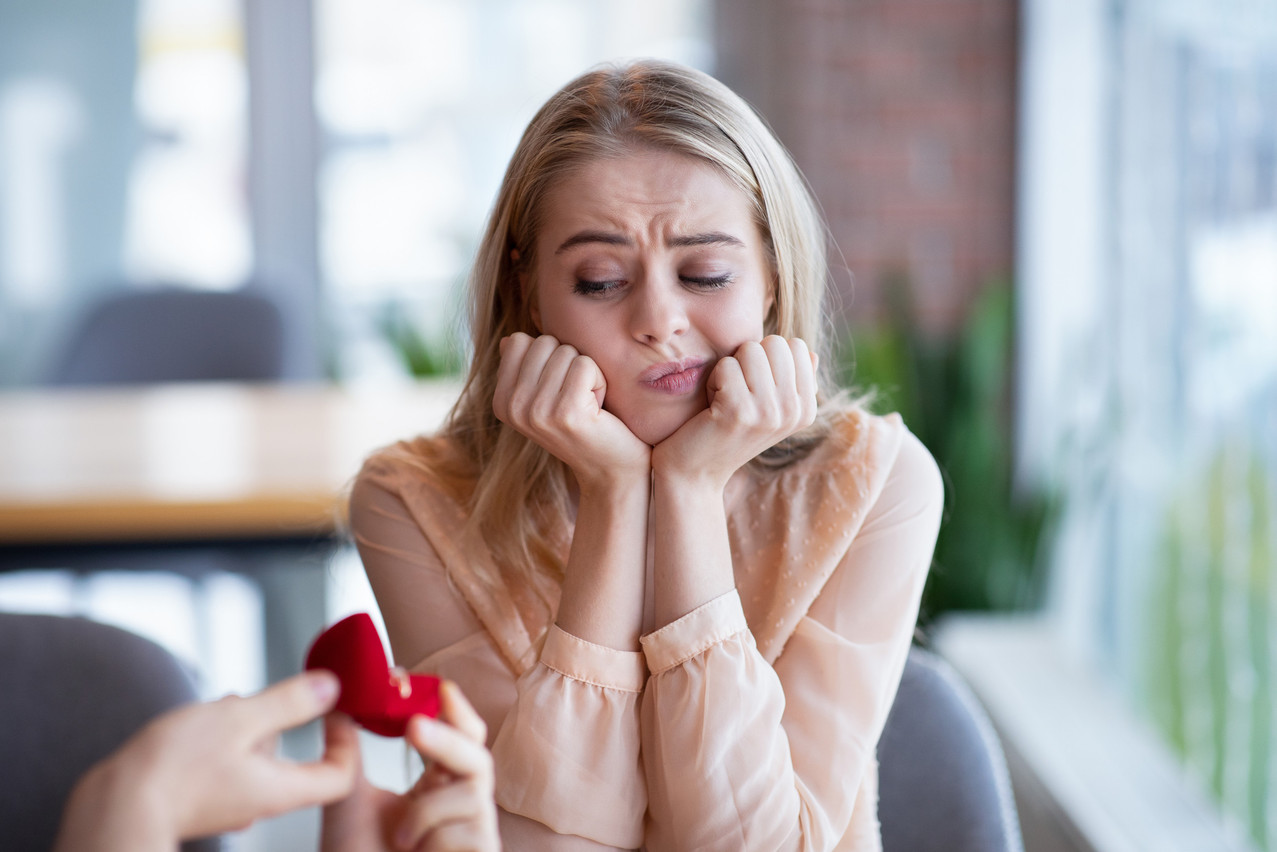
The growing demands for legal protection for “committed” couples - those people who are neither married, pacsed, nor cohabiting, but who assume mutual responsibilities - will not change the Luxembourg legal framework. This is the firm response given by the CSV Ministers of Justice, 


When asked about the advisability of a new legal status, the executive points out that “the current legal framework allows unmarried or cohabiting couples to manage their property relations themselves”. The ministers also point out that “the creation of an additional legal regime for ‘caring’ couples would further complicate inheritance rules (and) is not envisaged at present”.
Status quo pending tax individualisation
Concerning the tax differences between marriage, pacs and cohabitation, the parliamentary reply points out that “married couples are currently taxed jointly” unless there is an option to the contrary, and that “cohabiting couples can opt for joint taxation. As for the tax situation after the introduction of individualisation, we refer you to the introduction of the bill. As a reminder, the “national tax reform”, provides for the abolition of the different tax classes in individualisation.
The government response goes into great detail about the conditions for access to a widow’s or widower’s pension. The deceased must have “paid contributions for at least 12 months (...) during the three years prior to his death”, with some exceptions such as accidents or occupational illnesses. The marriage or civil partnership must have “lasted at least one year at the date of death”, unless a child was born to the couple or other exceptional conditions are met.
As for the idea of providing communes with an official brochure to harmonise information, the government points out that “the role of the civil registrar is to receive declarations (.It is not the role of the civil registrar to (...) provide explanations, advice or legal or tax opinions"