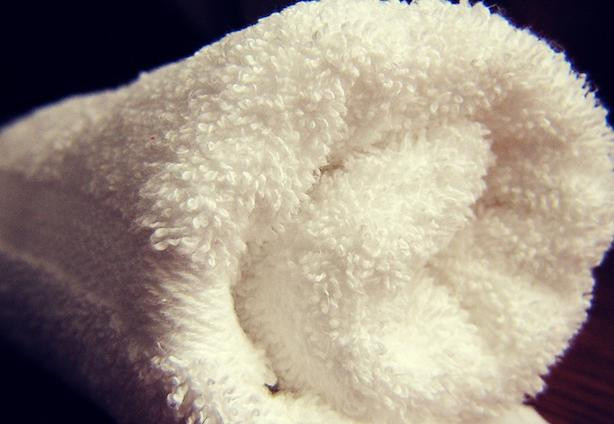
Psychology researchers at the University of Luxembourg have found just how effective social pressure is in altering human behaviour, using towels of all things.
The washing of towels in hotels across the world is a colossal waste of water, energy and detergent and has a profoundly negative impact upon the environment. According to the American Hotel and Lodging Association, by requesting guests to use fewer towels, water, sewer, energy, and labour costs could be lowered by an average of 17%.
The US Environmental Protection Agency also reported that the hotel and lodging industry could save $745 million annually by reducing energy use by just 10%, something a lower volume of washing could greatly contribute towards.
The Luxembourg researchers have found a solution to this problem in the form of subtle methods used to gently persuade hotel guests to reduce the number of towels they use.
In early 2013 two hotels in Swiss and Austrian ski resorts took part in an experiment that involved the placement of three different signs separately in different bathrooms across each of the hotels. Each of the signs reminded guests of the environmental impact of towels but in addition one of the signs added that “75% of guests in this hotel reuse their towels” while another, noted that “75% of guests in this room” reused.
The difference in effectiveness was evident: those who saw the “room” sign used on average one towel per person per day compared to others who used 1.6 towels per person after seeing the “hotel” sign. Overall a 40% saving was made in the number of towels needing to be washed.
Peer pressure
These results clearly show that subtle peer pressure can be greatly effective in persuading people to do the right thing. As Dr. Gerhard Reese, a key researcher on the study told Delano last week, “psychological research has shown that social norms positively influence people’s recycling behaviour, their littering behaviour and waste reduction”.
In the university’s press release, Reese cited the fact that “humans are social beings” to explain the results. “People want to be accepted into groups and so we act in ways that make us belong. Instinctively, we feel close to those who have used a hotel room before us, believing that they are similar to ourselves. Thus we are more likely to follow their behaviour.”
Reese told Delano that he hopes the study will “stimulate further research that makes a stronger case for how and when we can ‘convince’ people to act in a more sustainable fashion--not only in the hotel context.”
While the study is undeniably interesting from a psychological standpoint, Reese also hoped it will aid hotels and other institutions to “benefit from better water resource management and make more use of such comparably simple methods”.
The study was published in the October 2013 edition of the Journal of Social Psychology.