What approach distinguishes a more value-driven education from a “training” based one, where students learn established facts, practices and ideas? Should schools be places that foster reflection and a deeper understanding of moral issues? In a world where our children are increasingly exposed to and dominated by materialistic values, should schools be partnering with parents to address and transmit spiritual values as well?
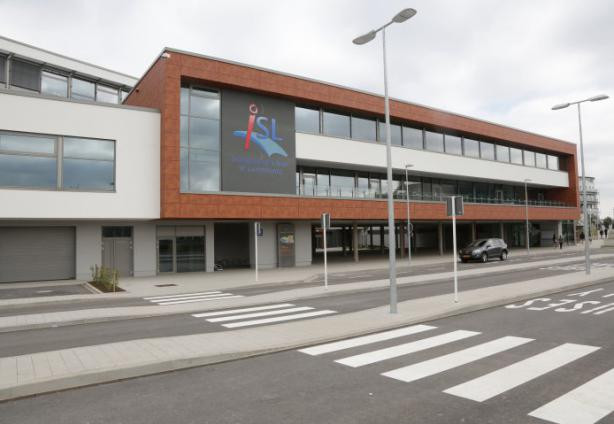
These were some of the questions addressed by local psychologists Fari Khabirpour and Gilbert Pregno in a recent parenting seminar co-sponsored by the Fondation Kannerschlass’ Eltereschoul / Ecole des Parents and the school guidance office of the International School of Luxembourg.
From birth we embark on an educational process--a process driven primarily by needs and values. In order to survive, a baby needs sustenance, protection and physical attention. This dependence is the beginning of a growing value for the physical and material world. Perhaps there is an innate push in mankind that leads us toward material satisfaction.
Intellectual values
As the child grows, she develops an awareness of self and she needs a sense of emotional belonging, family, or tribe. Material values now blend with psychological values. As the mind continues to mature, there is a need for a deeper understanding of the world and an interest in increasing one’s capacity for knowing. This is the birth of intellectual values, and quite often where schools place their pedagogical priority.
Many psychologists also believe that the need for spiritual growth is the next step in one’s educational evolution. With other needs met, there is perhaps a natural curiosity to seek meaning beyond the physical and material world. There is a need to find meaning in community, other people, and the development of moral values.
“This is where we are limited in the education we give,” said Khabirpour. “What is love, beauty, justice, equity, service, altruism? We are a little bit stuck when we come to these issues and they are not often taught in schools. Some families transmit these values, but many children are left for themselves.”
Raising “global citizens”
So how will this deficit impact the citizens our children become, and the way they interact with others in an increasingly global and potentially more materialistic world?
Educators stress the importance of raising “global citizens,“ and many schools like ISL, commit a responsibility to this goal in their mission statements. To educate children to appreciate the community as a whole, to respects others, to tolerate, and to truly act as responsible citizens in a global society, schools may need to partner with parents to address their students’ spiritual needs.
The origin of the word religion is from the Latin ligare, which means to bind together.
There is much room for schools, in partnership with parents, to transmit spiritual values--to cultivate kindness and decency, to foster a sense of obligation to the greater good and to build relationships through tolerance and respect.
There are certainly schools that do this without intruding upon particular views about God or organised religious faiths.
For more information about services for parents provided by Eltereschoul / Ecole des Parents, visit www.kannerschlass.lu/eltereschoul.
Chris Starr is communications team leader at the International School of Luxembourg.