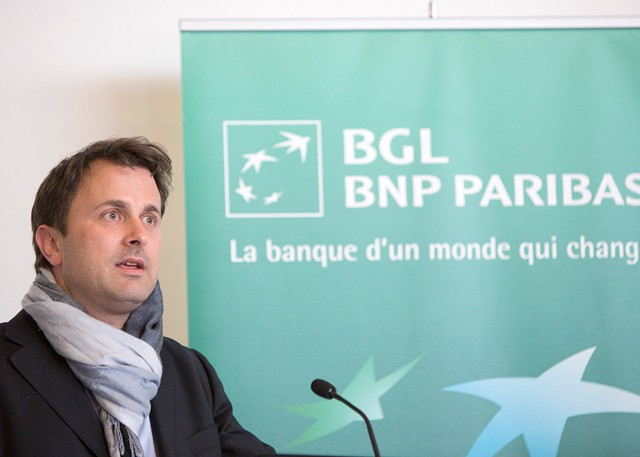
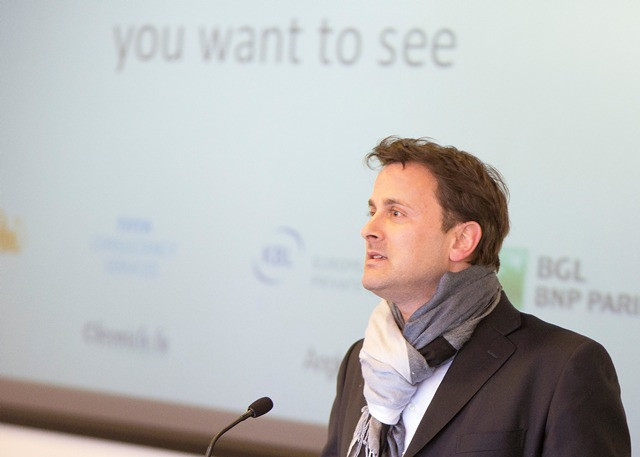
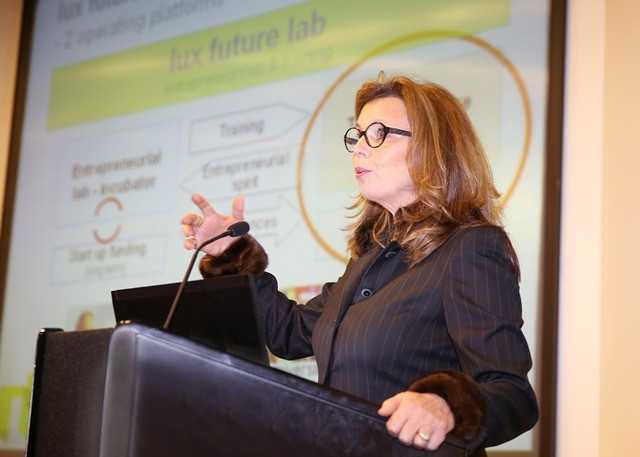
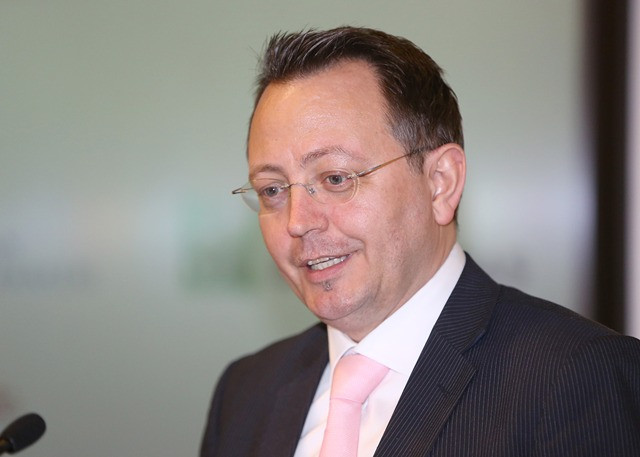
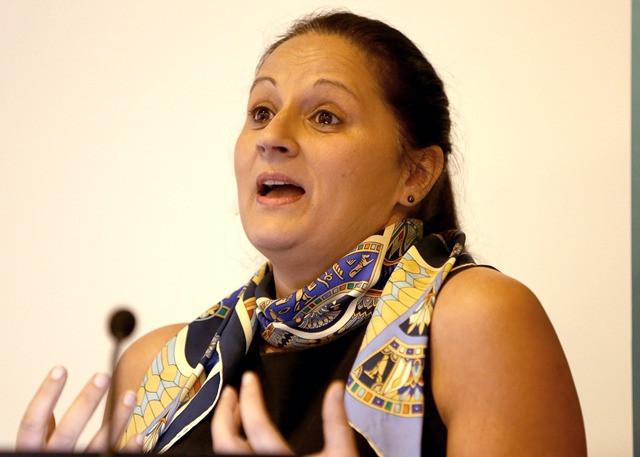

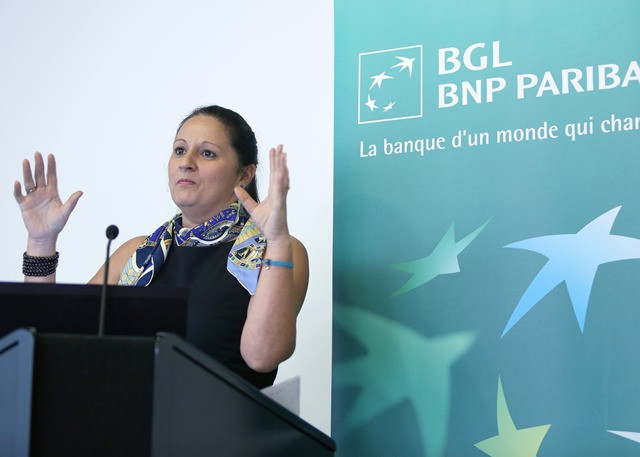
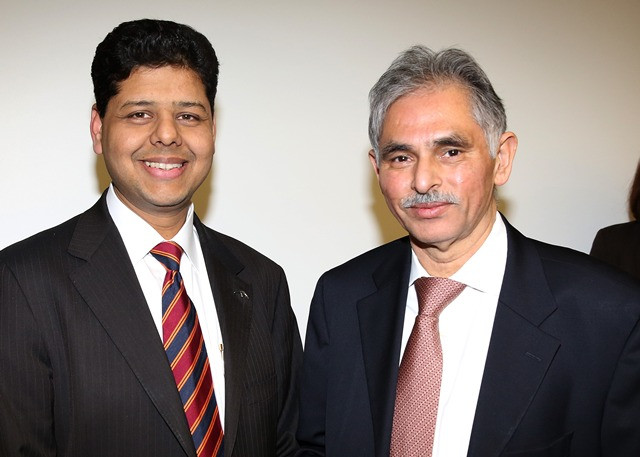
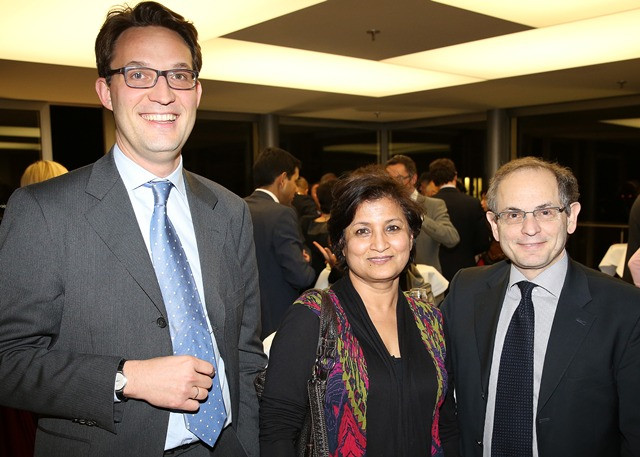
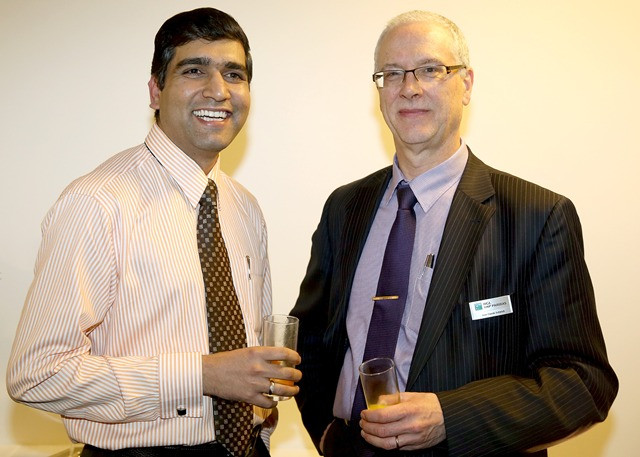
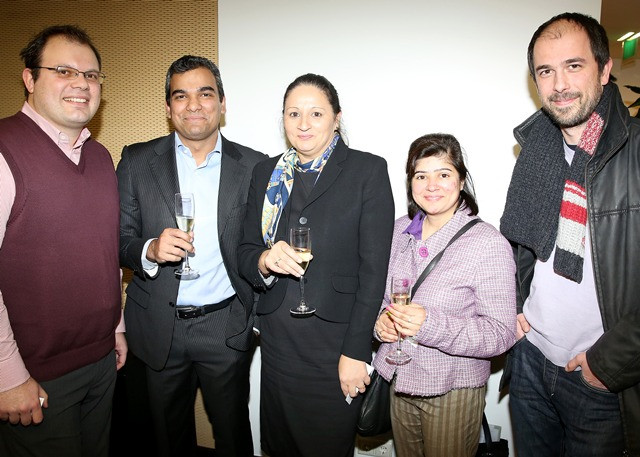
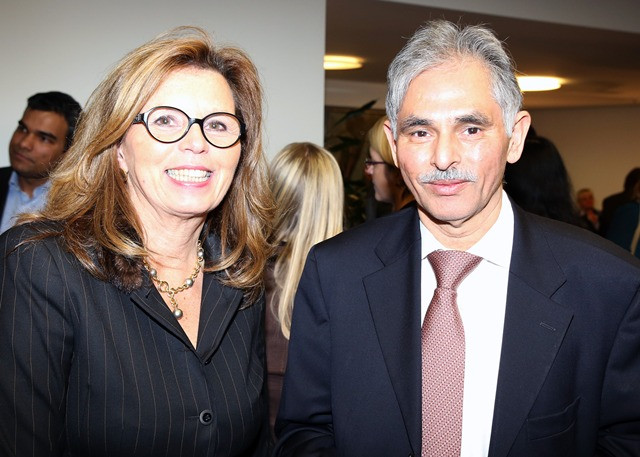
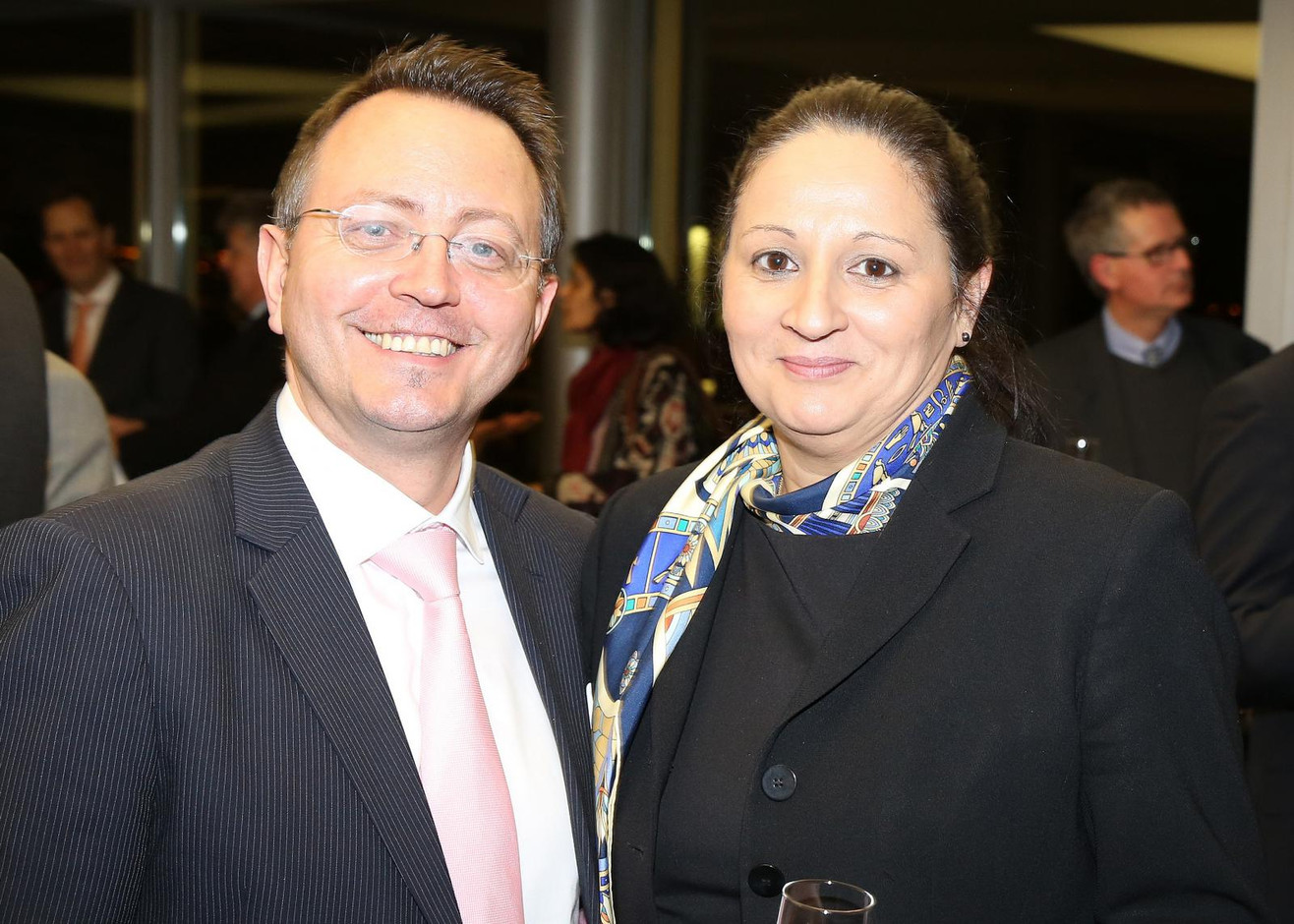
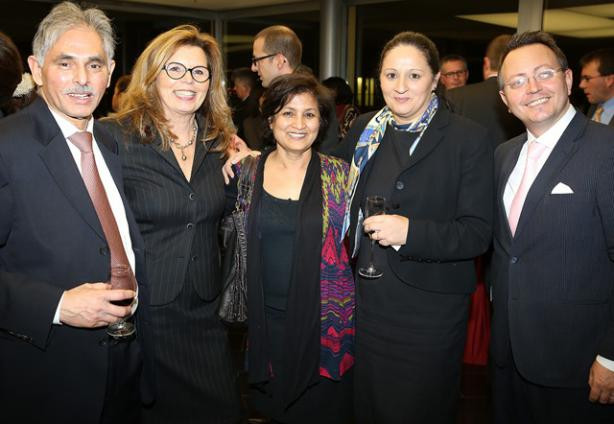
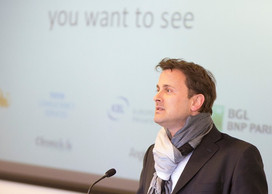
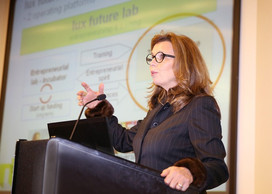
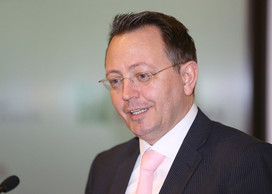
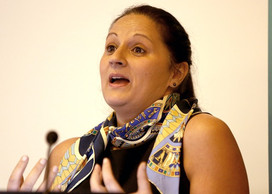
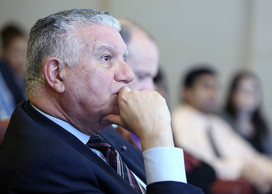
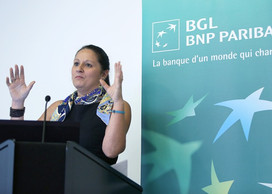
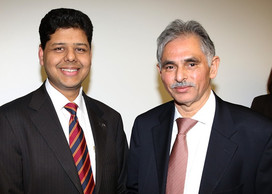
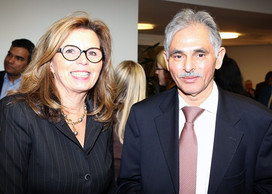
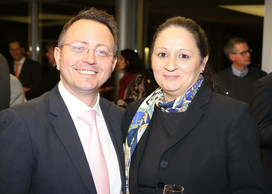
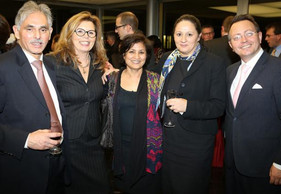
Xavier Bettel, Karin Schintgen and Madi Sharma addressed the topic of “change”--ranging from entrepreneurship to urban development--during an Indian Business Chamber of Luxembourg conference on Wednesday evening.
Luxembourg City has changed dramatically since the 1990s, observed the capital’s mayor, Xavier Bettel. He noted that earlier this year the city’s population cleared the six-figure mark, although “this doesn’t change a lot except we’ve got a red point on the map instead of a black one we had before.”
However, Bettel did note that the population growth argued in favour of improving the city’s transit system. “Do we have the tram or shouldn’t we have the tram? The fact is, if Luxembourg continues to grow, we will need” to improve public transportation in the capital. “I know that the tram will not be full the whole day. But we know that in the morning, when over 100,000 people come to work in the city, and after five they leave the city, we will have to bring them from point A to point B fast.”
He also called on Luxembourg’s government to take “difficult decisions” in the area of economic reform.
New incubator launched
The event took place at the BGL BNP Paribas’ avenue Monterrey building, and the host took advantage of the forum to publically unveil its “Future Lab”. The bank wanted to “create a physical place where we would support the competencies of entrepreneurship”, explained Karin Schintgen, CSR director at BGL BNP Paribas.
The Future Lab, which has been operating in stealth mode for more than a year, is already home to ten start-ups, including At Noon, FlashIZ, Greenearn, IMS Luxembourg and Trendiction.
Only half of the incubator’s 1,500 square meters of space is full, she reported.
The organisation’s second mission is entrepreneurial training, particularly for high school and university students. Last year, for example, it hosted a “summer camp” for 22 high school students from state schools with the theme that “in Luxembourg, you can be something else than a public servant, banker or consultant.”
The pilot project was successful enough that the bank will hold two summer schools this year, and open-up admissions to Luxembourg’s international schools, Schintgen announced.
Inspiring others
Today Madi Sharma is head of the Madi Group of social enterprises, and was appointed by the British prime minister to serve on the European Economic and Social Committee’s employers group, which advises the European Commission on pending legislation on regulation.
But years ago, after being severely beaten by her husband, she took her two children, aged three and five, and “I walked out”, Sharma said. “I had 50p in my purse for two weeks and I’m not joking.”
She started a food manufacturing company by selling four samosas to a local market. The firm ended up selling “10,000 products per week” and employing 35 staff “all long-term unemployed, without qualifications like me”.
Sharma urged business executives to hire “people who want to work” and not by checking CVs. She said “let’s get rid of the word ‘experience required’ because it’s discriminatory to young people and discriminatory to women.”
“Please go into schools. Tell students what you’re doing and how you got where you are. Inspire the kids,” Sharma then implored.
She also argued in favour of serving on the boards of NGOs, saying “it’s charity but you’re benefiting from the networking.”
“Networking is not just giving your business card” to someone, it involves real engagement with people. “You never know who you’re sitting next to unless you start up a conversation.” Sharma added: “we’re in the age of the internet, but don’t forget about the people you’re sitting next to.”