

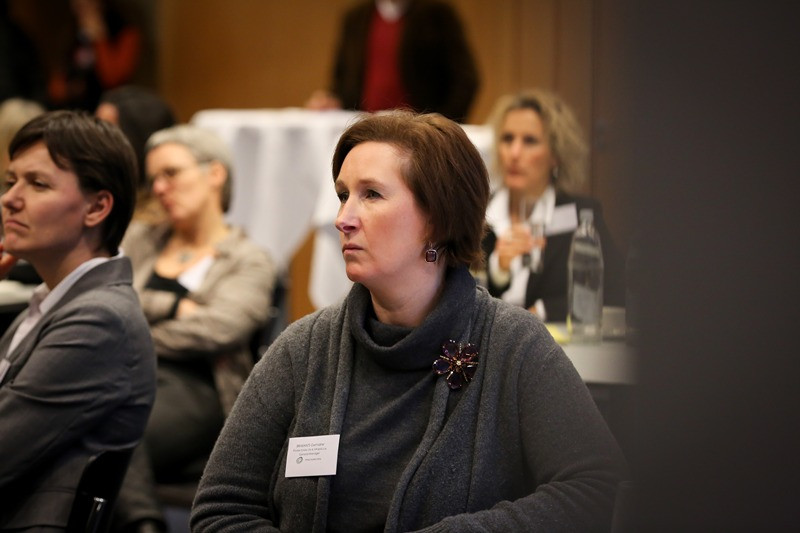




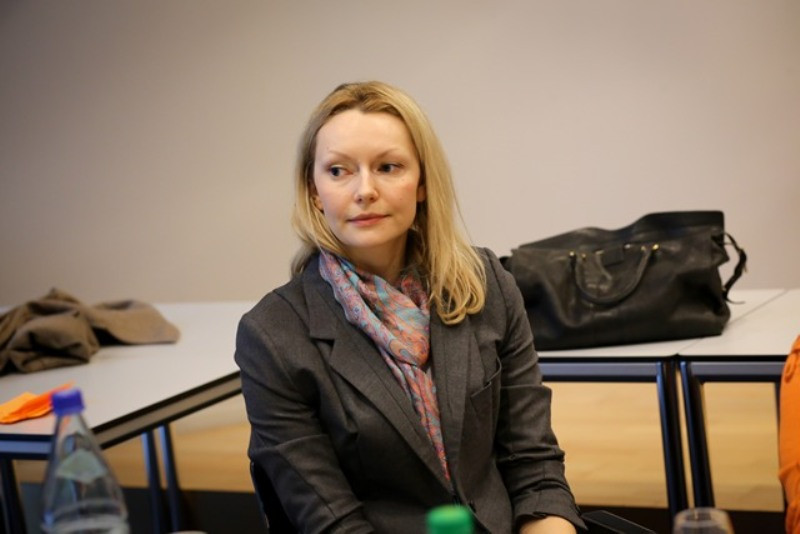



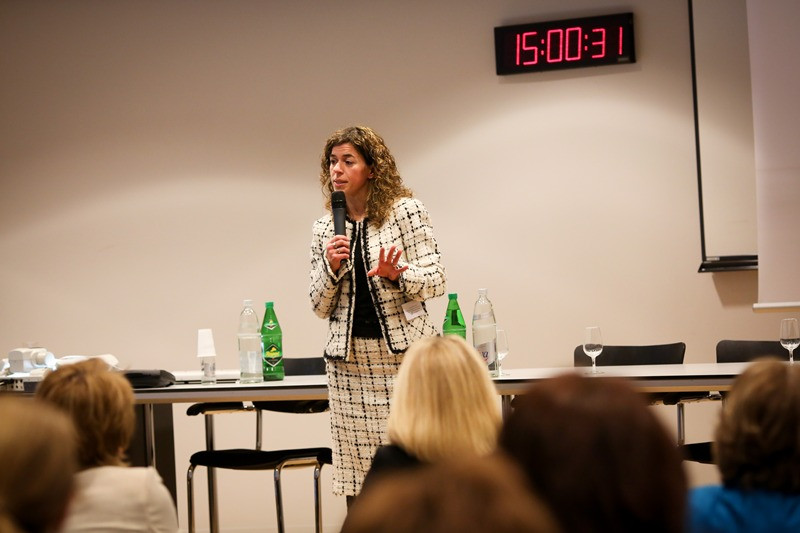



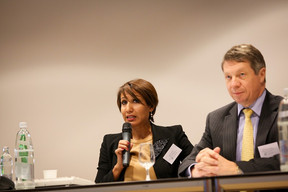





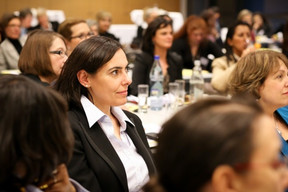

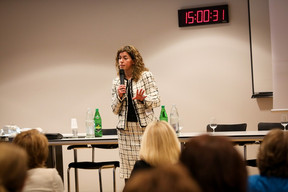

Organised by Rita Knott of the Maison du Coaching et Consulting, the Female Board Pool serves as a platform for contact between experienced and future female board members and corporations and organisations. The fourth edition saw EU commissioner for justice, fundamental rights and citizenship Viviane Reding address attendees before a series of panel discussions and presentations on a variety of subjects.
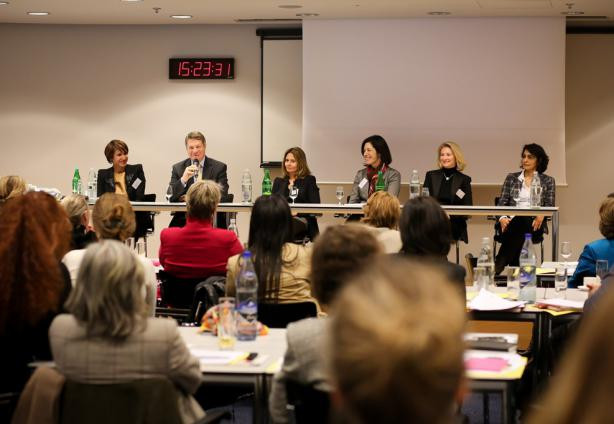
One of the more interesting panels debated the impact of commissioner Reding’s initiative to oblige boards to have at least a 40 percent female membership. The panel broadly agreed with Reding’s sentiment that she doesn’t like quotas bit she likes what they achieve.
“Clichés die hard,” said Fatiha Charti of IMRL Luxembourg, explaining that her idea of an executive board was always old men with grey hair. “But one of the merits of the quota initiative is that it will speed up the death of the cliché” She cited empirical evidence from a Credit Suisse study that showed stocks with at least one woman on their board tends to outperform those with no women by 26% over the course of six years.
Robert Dennewald, the only man on the panel, explained why he was opposed to quotas but also emphasised his commitment to gender diversity. Indeed, in his own company--Chaux de Contern--women have a one-third representation on the board. But Dennewald also issued a warning to minister Françoise Hetto-Gaasch when he said that Fedil had an agreement with the government that it would accept the implementation of EU directives “and nothing more”.
In other words, if the minister attempted to impose even stricter quotas she would face a tough battle. Indeed, Dennewald pointed out that the quotas directive would only apply to listed companies, which are thin on the ground in Luxembourg, so he doesn’t think Reding’s initiative would have much of an impact at all.
Brigitte Pochon, managing partner at Pochon Lawyers & Associates, also expressed concern at how much of an impact the directive may have in Luxembourg. “It is not yet transposed into law and the government has so far not determined what penalty measures would be applied for those who don’t comply. If there are no sanctions, then nobody will implement the quotas,” she argued.
But, Pochon added, that while achieving the obligatory 40 percent quota is clearly some way off, she said it will have some impact on mentality--that it will encourage men to take a look at the qualified women who might be a good fit on a board, and for women to trust themselves more to put themselves forward for executive positions.
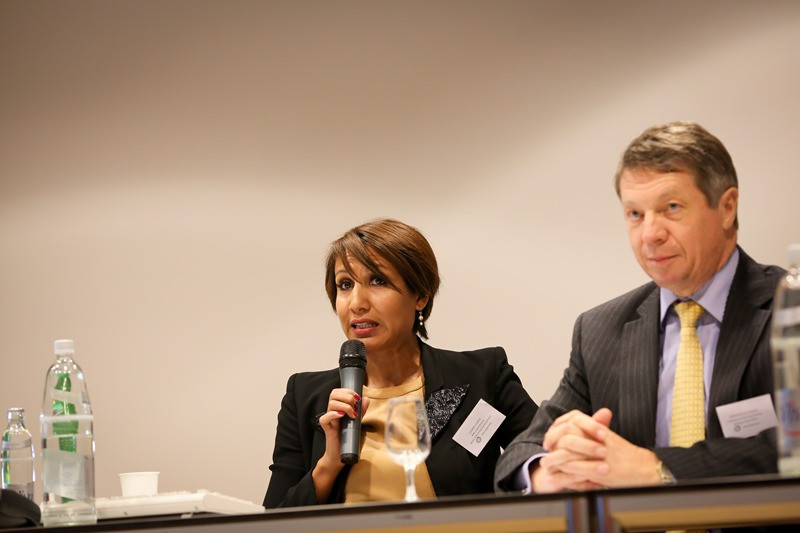
Supreetee Saddul, an independent director in boards in Luxembourg said she was personally opposed to the concept of quotas. Although she agreed that they were a good tool to meet objectives of getting more women on to boards she expressed concern at their other consequences, and she saw them as a symptom of what could be called the “women problem”.
Women, said Saddul, analysed and thought while men acted and just jumped in. Women who wanted to get on a board “should be watching how men do it and how successful women do it.” Nevertheless, she believed that change was coming and that younger generations were already taking equality at the workplace for granted.