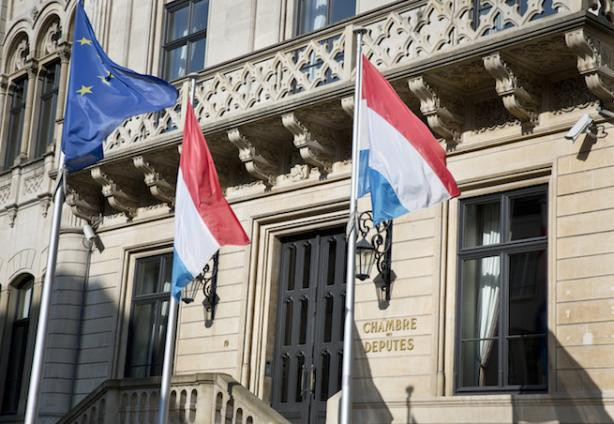
Recent opinions polls have showed that the referendum vote on whether non-Luxembourgers should be given suffrage in parliamentary elections has been too close to call. The Luxembourg population is fairly evenly divided between the “Jo” and “Nee” camps, and with campaigning only getting underway seriously just before the 7 June vote there is still all to play for.
As our current cover story reveals, arguments on both sides of the fence are valid. It is understandable that Luxembourgers want to protect some sort of national identity and encourage those who settle here to learn the local language. But they must also recognise that Luxembourg is a unique case, with an unusually high proportion of foreign residents who make a valuable contribution to the economy and to social and cultural life.
Unfortunately, negative emotions play a big role in such a momentous decision. Some no campaigners have been playing on the fear that too much influence will be given to foreigners if they are allowed to play an active role in deciding the make up of parliament. But yes campaigners are just as guilty of over dramatising the exploits of their opponents--labelling anyone who has indicated they might be in favour of a no vote as racist is hardly constructive.
The sceptics in turn point to the almost embarrassing participation level of eligible non-Luxembourgers in local elections as an argument that foreigners aren’t interested in politics in any case--an argument that is at odds with their fear of losing influence in their own country. The progressives counter argue that a failure to open up the electoral roll will leave members of the CGFP union as one of the largest voting groups in the general election, and Luxembourg will remain mired with a civil service all too happy to retain the status quo.
The referendum, then, is an opportunity to showcase Luxembourg as a modern, innovative, forward-thinking country that regards those residents who make a valid contribution to its wealth and well being as equals, regardless of nationality. It would hopefully encourage non-Luxembourgers to take more interest in politics, to feel as though they are part of the decision-making process.
Because if the opportunity arises, it must be one that foreign residents seize gleefully with both hands.