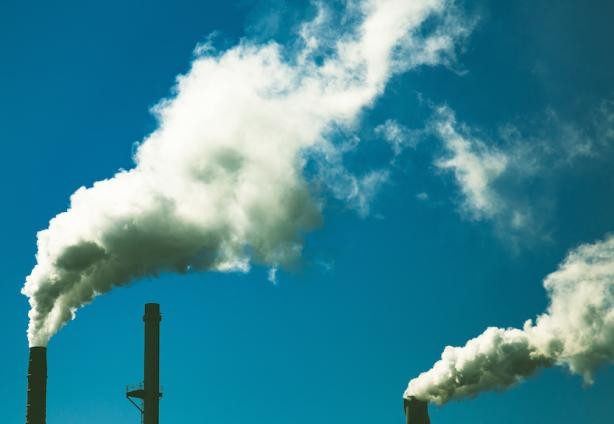
The European Commission will not use its Capital Markets Union project as a means to promote green finance, as UN countries struggle to agree on reduced carbon emission targets ahead of the Paris climate summit that starts 30 November.
The CMU was officially launched in September this year, with the goal of revamping economic growth in the EU. The project aims to increase funding to cash-strapped companies in Europe that remain heavily dependent on banks for funding. The EU had pitched a range of ideas back in February to help rekindle the European economy in a discussion paper. One of those ideas included the use of “green bonds”.
A green bond is a financial product designed to promote environmental projects and is sold in the shape of a loan. The original pitch highlighted how the total sales of green bonds managed to generate €35bn last year--quadruple the amount of sales in 2013. Promoting the green industry would have helped generate alternative sources of energy in Europe, while reducing the world’s dependence on fossil fuels. But instead, the EU has said it will only “continue to assess and support these and other developments [in green finance],” according to the final CMU plan.
The decision comes despite lobbying from the pension industry. “This is something we’re hungry to invest in,” said Aviva’s head of responsible investment, Abigail Herron. “We’re very keen to see green bonds grow in the way they have.”
The commission is concerned that the market hasn’t been developed enough, and doesn’t want to regulate an industry that remains in its infancy. “Green bonds [standards] are non-existent,” the head of the CMU unit, Niall Bohan, said at a conference in Brussels. “We need to develop the technology to standardise these markets before we can jump in.” He added: “Perhaps now is too early to intervene.”
Paris pressure
The commission’s reluctance comes as the UN continues to push for a new climate deal, which will supersede the 18 year-old Kyoto Protocol. Developed nations have promised to generate €90bn by 2020 to help emerging economies curb emissions. But many countries have been reluctant to commit to the proposed deal, and want to shorten the proposed legal text.
Concerns of legal short cuts are attracting the attention of the European Parliament, which is determined to see a successful outcome in Paris later this year. “The climate is changing and there is no more room for bickering and postponing,” said the EU parliament’s president, Martin Schulz.
“We know the results of inaction,” Schulz continued. “We know that it will be costly to adapt and that many people will need to leave their homes to survive, becoming refugees in the process.”
The capital markets initiative, it seems, will be of little help.