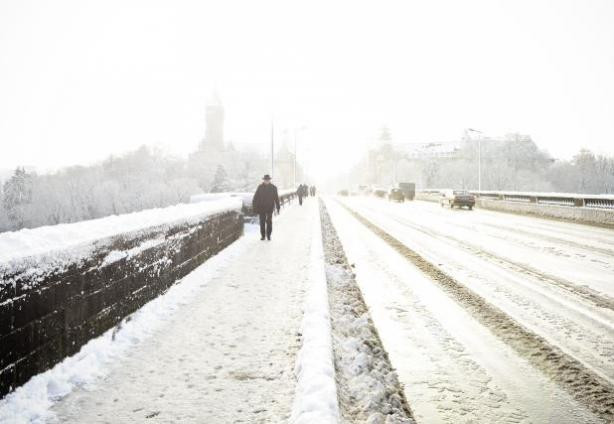
The aim of many of the rules is to reduce government spending or to improve public safety. Among the new regulations that were in place on January 1:
Tax cut: The crisis contribution surcharge on personal income has been eliminated. The 0.8% payroll tax was introduced in 2010 to help offset the government deficit which bloomed in the wake of the global economic meltdown.
Indexation: From 2012 to 2014, automatic wage increases--which raise salaries to match inflation--will now be considered and implemented only once per year, in October. Indexation reverts to the previous system of quarterly reviews in 2015.
Médecin-référent: Patients can now designate--and sign a formal contract with--a primary care physician, who will follow their health over the long-term, make specialist referrals, and help them navigate the medical system.
Generic medicine: When available, pharmacists will recommend filing prescriptions with the generic option. Patients can still request the name-brand medication, but the health system will only reimburse the cost of the generic treatment.
Commune mergers: Sixteen local councils were fused into six new entities, bringing the total number of municipalities down from 116 to 106.
- Clervaux, Munshausen and Heinerscheid are now Clervaux.
- Hosingen, Hoscheid and Consthum are now Parc Hosingen.
- Medernach and Ermsdorf are now Äerenzdall.
- Heiderscheid, Esch-sur-Sûre and Neunhausen are now Esch-sur-Sûre.
- Bascharage and Clemency are now Käerjeng.
- Schengen, Burmerange and Wellenstein are now Schengen.
Rules taking effect on October 1 include:
Winter tyres: Whenever ice, packed snow, slush, sleet or frost are present on Luxembourg roads, winter tyres will be obligatory. The regulations apply to all vehicles, even those registered outside the Grand Duchy. However, winter tyres are not mandatory when the vehicle is parked or if it is not being driven in winter weather conditions.