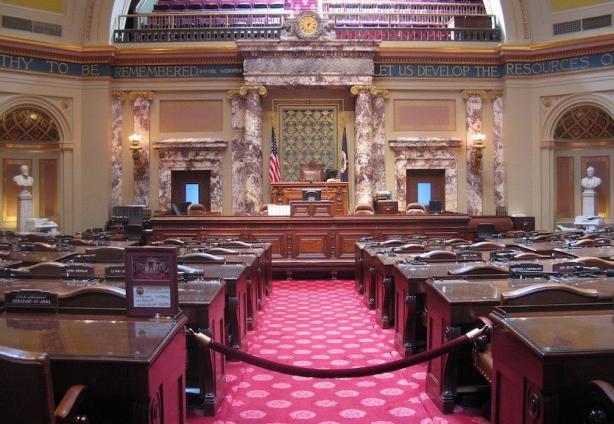
Companies based in the Grand Duchy would be taxed at the same rates as American firms--in Minnesota--starting this year, if a proposal in that state’s legislature is passed as written. The measure would redefine businesses based in more than 40 “tax havens” as “domestic” outfits.
Luxembourg’s corporate income tax rate is 29.22%, according to the advisory firm KPMG, compared to the US average of 40%.
The bill, SF 3318, was introduced to the state’s senate last month by John Marty and Kevin L. Dahle of the Minnesota Democratic-Farmer-Labor Party (the state’s affiliate of the Democratic Party).
If the act passes, businesses would be considered “domestic” US firms for Minnesota tax purposes if they are “incorporated in a tax haven”, 20% or more of their gross income is earned in tax havens, or if the US represents 20% or more of “the average of its property, payroll, and sales factors”.
Luxembourg on the list
A total 46 jurisdictions were mentioned in the bill. In addition to Luxembourg, Andorra, the Bahamas, Bahrain, Cyprus, Gibraltar, Jersey, Liechtenstein, Malta, Monaco, Panama, San Marino, Seychelles and US Virgin Islands were defined as tax havens.
Countries could get off Minnesota’s tax haven list if, according to the proposed legislation, they signed agreements with the US government “for prompt, obligatory, and automatic exchange of information” or “the foreign jurisdiction imposes a tax rate of at least ten percent on a tax base equal to at least 90 percent of the tax base that applies to corporations under the Internal Revenue Code,” referring to US federal tax rules.
The bill was referred to the Minnesota senate’s taxes committee on 29 March. If passed by the committee, it would face a vote by the entire senate, followed by the state’s house of representatives. Minnesota’s governor could then sign or veto the law.
Differing rates within US
State corporate income tax rates vary between 0% in six states (including Nevada and Texas) up to 12% (in Iowa), said the Tax Foundation, a thinktank in Washington. Minnesota’s rate is currently 9.8%. This is in addition to federal corporate income taxes of between 15% and 35% which apply nationally.
The draft bill stated that the rules would take effect “for taxable years beginning after December 31, 2015.” However Beth Strinden Kadoun of the Minnesota Chamber of Commerce told Bloomberg BNA on 31 March that the legislation was unlikely to be passed this year.