

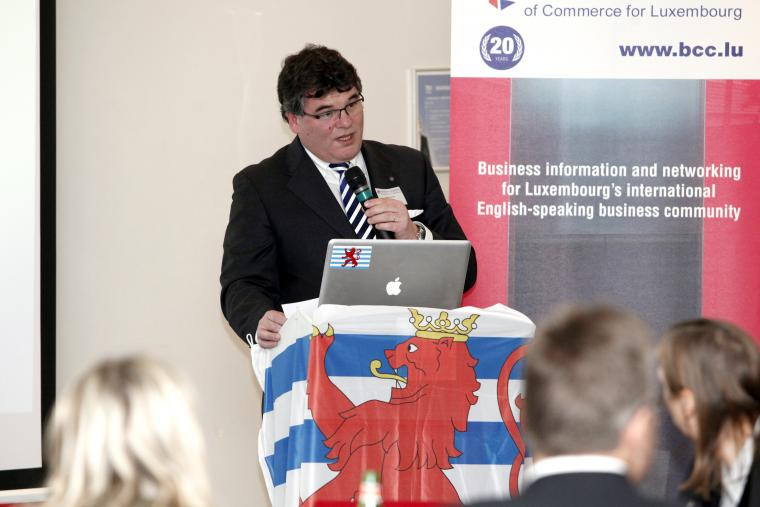
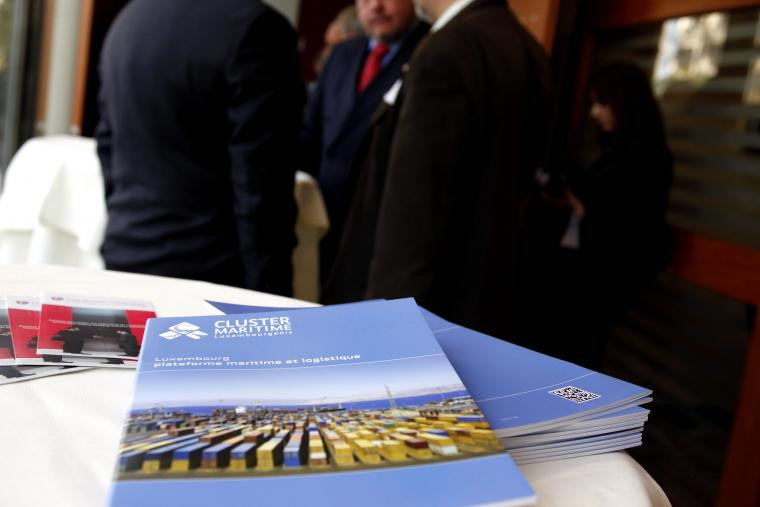












































































Landlocked Luxembourg is not well known abroad as a maritime centre, despite having more than 200 ships in its official register, noted Harpes, who is co-founder of the maritime management firm That's It and member of the Luxembourg Maritime Cluster.
The government first introduced a modern marine regime in the late 1980s. By the early 1990s, so many vessels had re-registered from next door that the Grand Duchy was nick-named “Belgium bis,” he said. While the favourable tax climate was the main selling point, Luxembourg was “never a flag of convenience, it was a flag of quality,” said Harpes, noting that in 2001 the US Coast Guard ranked the Grand Duchy’s flag as one of the worldwide top ten in quality.
Mega changes
In the 1990s Luxembourg made a “small modification” in its maritime code that allowed super yachts to be designated as merchant ships. Harpes called the move “genius” adding that “I put this in as the same [category] as when Luxembourg decided to go to space with Astra” satellites.
Since then, the average length of mega yachts has grown from more than 40 meters to more than 60 meters in length, and prices regularly top ten million euro, the maritime lawyer said.
For the super rich, having a mega yacht designated as a commercial vessel brings three main advantages, according to Harpes. First, many owners only use their boat a few days or weeks per year and offer the yacht to charter passengers for the rest of the year. As a merchant vessel, the yacht is exempt from many forms of VAT, which could save the owner millions of euro over the boat’s lifetime.
Second, the boat is treated the same as any other capital investment under the tax code. That means, for example, the owner could sell the yacht after five years and use the funds to buy into real estate without paying capital gains tax.
Finally, while private vessels “may” benefit from international anti-piracy programmes, commercial vessels are “entitled” to such protection, Harpes explained.
On the other hand, owners must pay into Luxembourg’s social insurance schemes to cover all officers and crew members, while social security costs could be zero in some countries outside the EU. Nevertheless, he said that most owners see the overall value of participating.
Although the legal niche has been in place for years, it is unlikely to be duplicated in other countries, in Harpes’ view. That is because, outside the Grand Duchy, most nations’ merchant marine labour unions have resisted the idea of being grouped together with mere yachts.