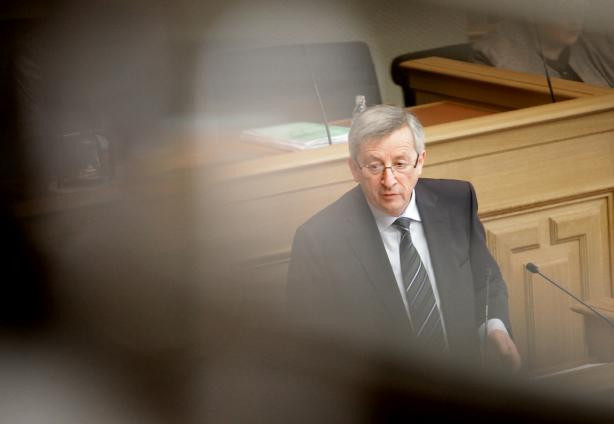
Jean-Claude Juncker used his state of the national speech to give the clearest signal yet that the proposed tram system for Luxembourg City will go ahead. The tram had been in doubt following a declaration by Juncker’s cabinet colleague Luc Frieden that the state could ill afford to finance the project at the present. But on Tuesday Juncker included the tram project among a list of investments that would go ahead.
Also on the list are the improvement of the rail link between Luxembourg and Germany and Belgium and between the capital city and Bettembourg, the university site at Esch-Belval, and numerous schools projects. Investment in research and development, tourism, culture and high-speed internet would also continue, Juncker said.
But several prestigious projects have fallen victim to the red pen, including the national football stadium (which will not receive any state financing), the proposed velodrome cycling arena, government administrative buildings, and any further motorway construction or lane expansions. The prime minister also confirmed that plans for a new Luxexpo building had been shelved.
“We know where we want to save and why,” said Juncker. “And we know where we can’t save. We are not going to save to death... but we will save for a healthy future, because we are just about the only country in Europe that can afford to save.”
Calling for more social solidarity, Juncker raged against what he called speculation culture and announced that a tax on empty buildings that have been allocated for housing would be introduced.
He also revealed that the highest rate of income tax would rise to 42.12% as part of an increase in solidarity tax and that the state would reduce its participation in the cheque service system, meaning many families will end up paying more for child care. But VAT would not be increased and the minimum wage will also rise in January next year.