


















Positive publicity can go a long way in helping businesses recover from terrorist attacks, speakers told a summit in Kirchberg.
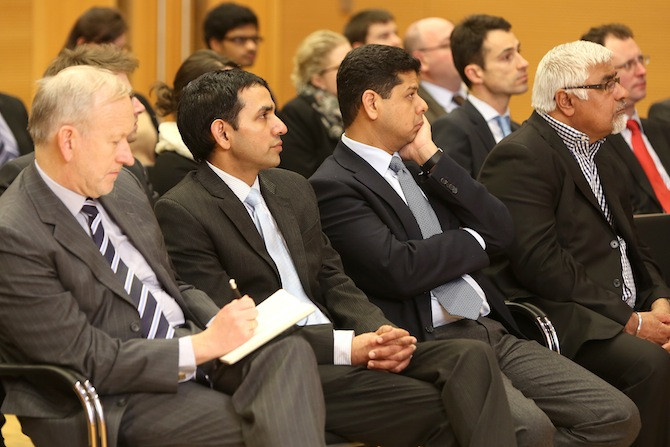
Presenters at the conference, organised by the Indian Business Chamber of Luxembourg and the Luxembourg Chamber of Commerce, said that terrorist activities have economic repercussions across borders, particularly in today’s global economy, in addition to the severe damage done where attacks have taken place.
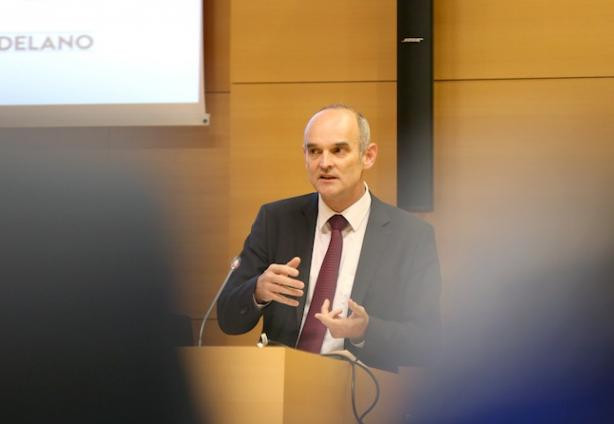
Thursday was the 131st day of court hearings in the Bommeleeër case, a series of bomb attacks that hit the Grand Duchy in the 1980s, noted Georges Bingen, the European Commission’s representative in Luxembourg. That “shows terrorism is all over”, not only in far-off places.
Currently there are more than 2,000 foreign fighters in Syria, according to commission figures, with many expected to return to Europe.
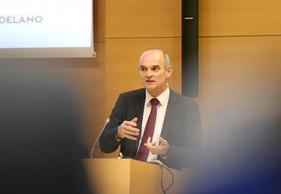
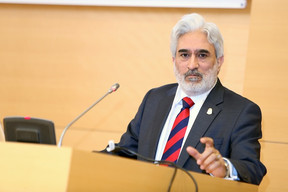
Despite attacks being concentrated in certain countries, terrorism is “not a local problem, it’s a global problem”, said Jagtar Basra, a UK-based counter-terrorism consultant who previously was a security chief at BAA, the company that operates London’s Heathrow airport. The “impact is not limited to the country or region it occurs in; it actually impacts all of us.”
Following bombings in Manchester in 1996, rebuilding cost £1.2 billion and more than 150 businesses located in the city centre “didn’t open their doors again”, Basra reported. The 2002 Bali bombing wiped off half of Indonesia’s tourist bookings within six days, which then harmed Australian food exporters, which had been major suppliers to the sector.
Other terrorist attacks have led to declines in the financial markets, which hits both pension fund and private investment performance, and resulted in a fall in property value, which in turn dampens government tax revenues and so the funds available for infrastructure and development.
Terrorists’ “main focus is to disrupt our lives and get publicity. That’s what they thrive upon.” As a principle counter-terrorism measure, he suggested that governments should aim to “starve them of their publicity”.
Contrast with Madrid, London attacks
For example, following the 2004 attacks in Madrid and 2005 attacks in London, positive press coverage and large dollops of government redevelop funds “had a positive impact”, which subsequently led to an increase in tourist visits to those cities, he said. The Indian government’s rapid PR blitz after the 2008 Mumbai attacks helped the country’s main bourse rise 1.5% at the end of the trading day, Basra said.
Within the EU, counter-terrorism is primarily the responsibility of member states and local governments, Bingen explained. However the European Commission runs programmes such as the Radicalisation Awareness Network, a forum for best practices in prevention and “exit strategies for youngsters” who “often [get] dragged into these types” of activities, such as Jihad style missions in Syria, he said.
The commission also coordinates counter-terrorism efforts with countries from the Horn of Africa to the US.
While the revelations made by Edward Snowden have created tensions between Brussels and Washington over data protection and privacy, Bingen said a recent commission audit of the 2012 “PNR agreement”--a scheme to share trans-Atlantic airline passenger information--found that the US government correctly complied with the European terms of the deal.