Luxembourg is characterised by a rather generous public healthcare system that stands for universal access. However, given the economic constraints, this generosity brings the sustainability of healthcare system under question.
In its recently published report, “Healthcare system sustainability in Luxembourg: a reality or a utopia?” (PDF), Fondation IDEA aims at informing the relevant stakeholders on the way forward by adopting a holistic and simultaneously international perspective on healthcare organisation.
In the years following the economic crisis of 2008, Luxembourg has been trying to address the sustainability issue by undertaking a number of major structural reforms in the healthcare sector.
Some of these reforms seem to face significant operationalisation hurdles, whereas others need to catch up with the current trends in the gradually globalised healthcare industry. By placing Luxembourg’s initiatives in the global healthcare trends context, the report tries to disentangle the hurdles Luxembourg faces and suggests ways to move forward.
The literature review is supported by information derived from a series of open discussions with various stakeholders. As a result of the aforementioned approach, we identified seven pillars considered as being crucial for the future development of the Luxembourg healthcare sector.
First, given that hospital expenses are among the main cost drivers of healthcare budgets, hospital planning and budgeting should continue to score high in the policy agenda of Luxembourg.
Second, the initiative of the “médecin référent” [primary care physician] is in line with the global trends towards a paradigm shift in physician’s practice and remains an important aspect of the healthcare policy reforms.
Third, diffusion of biomedical research, besides the profound advantages for the Luxembourg population’s health, appears as a promising sector of economic activity that needs to be boosted.
Fourth, making the most out of ICT solutions is a way to establish an efficient and effective way to communicate health related data. Moreover, it offers significant economic opportunities as well.
Fifth, cross-border health is a promising field for Luxembourg, in particular as its strategic place offers a substantial economic opportunity for Luxembourg and the Greater Region.
Sixth, health technology assessment is gradually becoming an area of interest for Luxembourg, adding significantly to the information needed for effective decision making.
Last but not least, accounting for patients’ preferences is gaining grounds across the globe, partly forming healthcare policies.
The report aims to be used as a roadmap for the way forward in healthcare in Luxembourg with a holistic and international twist. Thus, the policy recommendations presented in the document are in no way binding but capitalise some of the most important healthcare issues Luxembourg faces.
Once again the scope is to raise awareness among the various stakeholders and prepare the grounds for a productive dialogue that will frame Luxembourg’s healthcare policy of tomorrow.
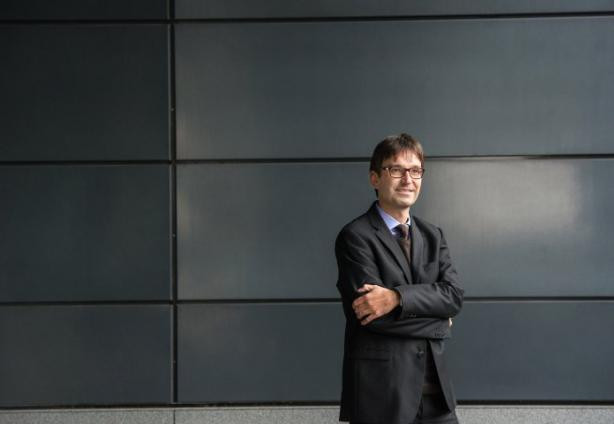
Marc Wagener is operational director of the Fondation IDEA, a think tank backed by the Chamber of Commerce. This article was adapted from the foundation’s “Healthcare system sustainability in Luxembourg: a reality or a utopia?” report, which can be found at www.fondation-idea.lu.