With shorter daylight hours and falling temperatures upon us, it is time to line up more indoor activities. So why not go with the flow and use some of these darker days to delve into local history?
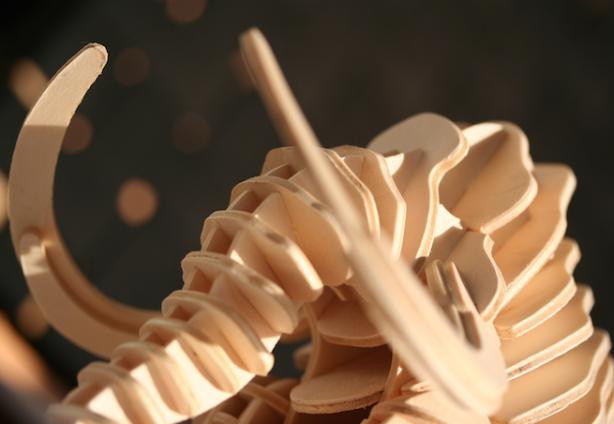
You can start right at the beginning, at the National History and Art Museum, travelling back to prehistory to see the mammoth and other creatures who walked along the Grund before we ever came along. Then climb through the ages as you work your way up the museum’s floors--they are in chronological order.
Then make a stop at the Luxembourg City History Museum where you can meet one of the capital’s most famous rulers and residents, Count Siegfried, on specified dates between 14 November and 20 February. Old Siggy will be leading city tours (in French) and telling you all about how the city, founded as a garrison, took shape back when he was just as young as your kids... before the first millennium.
He might very well point across the valley to what is now the Draï Eechelen Museum explaining how the area’s deep valleys and solid rock walls led to Luxembourg being a coveted stronghold. The newly revamped museum, once a heavily armed fortress, has permanent, virtual and temporary exhibitions and has just opened again on Mondays.
The National Mining Museum in Rumelange is open the second Sunday of every month through March for tours, and you can also book private interactive visits for up to 18 kids at a reasonable fee.
Of course there are other museums in the Grand Duchy to explore Luxembourg’s past, but you can also go further afield and head out to one of Belgium’s best archeology museum, just across the border. The Arlon Archeology Museum is hosting a prehistoric and protohistoric exhibition through 20 December. And while you’re out, take in some important WWI and WWII sites and monuments.