“There were serious indications of ‘dead weight’--projects which would have gone ahead even without EU funding,” is one of the strong conclusions published in the latest European Court of Auditors activity report.
It refers to the “Marco Polo” programme, which is designed to help shift freight traffic from the road. The court’s special report found that: “the market situation and the programme rules discouraged operators from taking advantage of the scheme.”
This is just one example of the regular checks on the implementation of EU policies and the budget made by the 900 staff working in the Luxembourg-based EU institution. They also investigate whether programmes are achieving value for money for the taxpayer.
Although they can’t investigate everything that is done, they take a look at a representative sample.
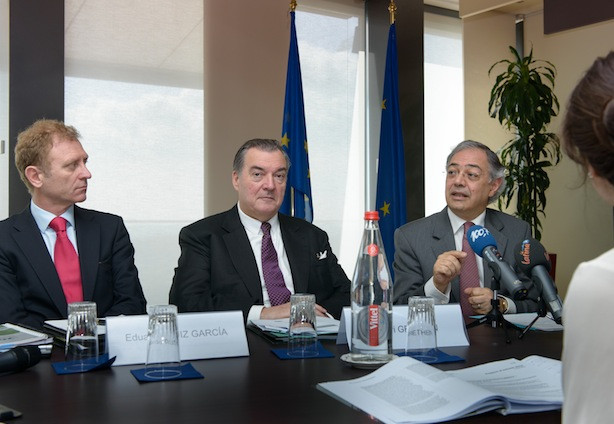
“The EU’s accounts were reliable,” Vitor Caldeira, the court’s president, told the Luxembourg press on Wednesday, a week after presenting the report on the 2012 budget to the European Parliament.
“Too many errors”
In fact the vast majority of EU projects are shown to meet their goals. Not everything was perfect with the budget though, with Caldeira noting that it contained “too many errors regarding the regularity of payments.”
Although the good news is that over the long term, EU decision makers follow the court’s recommendations for improvements in nearly 85% of cases.
Other findings included that road building costs up to four times as much in Spain than in Germany, so wasting EU development spending. Other reports indicated insufficient evidence to measure the effectiveness of schemes designed to get people back and to boost value added production in the agricultural sector.
The court also pointed to a lack achievements by programmes to diversify the rural economy but boosting value added in the food processing industry.
And is rural development budget well spent? “The commission and member states have not sufficiently shown what has been achieved,” the report concluded.
The “2013 Activity Report” is available on the European Court of Auditors website.