Part of the EU’s aviation emissions trading scheme has been put on hold following progress last week on talks for a worldwide CO2 cap-and-trade system under the auspices of the International Civil Aviation Organisation.
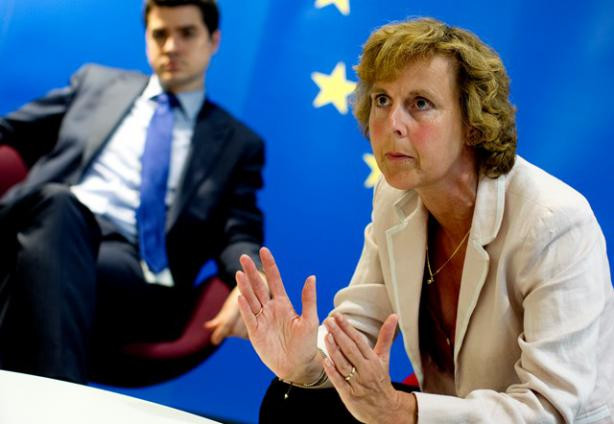
Brussels is “stopping the clock” on non-EU airlines for one year, Connie Hedegaard, European commissioner for climate change, said on Monday.
The EU greenhouse gas programme had gone into effect on January 1, requiring all airlines to pay into Europe’s cap-and-trade system for each domestic or international flight that arrives or departs from an EU airport by April 30, 2013. The plan also covers Liechtenstein, Iceland and Norway.
But dozens of non-EU countries have objected to the plan. In February, the Chinese government told its airlines they are prohibited from participating in the EU’s aviation emissions trading scheme unless they received special approval, for example. In September the US Congress passed a bill which would give America’s transportation secretary the same power, although it has not yet been signed by the US president. Both countries had argued that the EU policy was contrary to ICAO agreements as well as a breach of their national sovereignty.
Brussels has kept a firm line on the plan for months, with a spokesman for the European climate change commissioner telling Delano earlier this year that Chinese airlines would ultimately comply with new aviation emissions rules, which was vindicated in Hedegaard’s view.
“The EU has always been very clear: nobody wants an international framework tackling CO2-emissions from aviation more than we do,” she told the press on Monday. “Our EU legislation is not standing in the way of this. On the contrary, our regulatory scheme was adopted after having waited many years for ICAO to progress. Now it seems that because of some countries’ dislike of our scheme many countries are prepared to move” on an ICAO-based mechanism.
This week’s decision removes the requirement for non-EU airlines’ flights involving a non-EU destination to participate in the scheme for one year, pending the result of the ICAO negotiations.
The Association of European Airlines “cautiously welcomed” the news. “We are pleased that the commission has listened to the airlines’ point of view,” Athar Husain Khan, acting secretary general of the trade group, said in a statement. “As international tensions over the issue have escalated, European airlines have been facing the very real prospect of discrimination and retaliation in our most important global markets. Indeed, some AEA members have already encountered operational obstacles with regard to certain countries.”
However, Hedegaard warned that the EU scheme would “automatically” continue right where it left off, if the ICAO “exercise does not deliver”.
The plan continues to remain in effect unchanged for EU-based airlines and for flights within the EU.