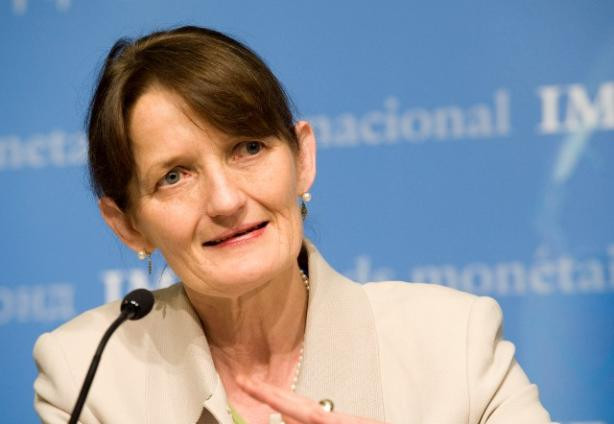
“The past five years, you’ve seen that emerging markets have grown more rapidly than developed countries; they have performed the role as the engine of growth,” Benedicte Vibe Christensen, member of fund company Sparinvest’s executive board, and former IMF economist, said in an interview last week. “They have cushioned the impact of recession and the adverse impact of the financial crisis that have been felt in developing countries. It is the new, growing role of emerging markets.”
The Dane spoke to Delano in advance of a conference for investment professionals in Luxembourg on Friday. Sparinvest launched an emerging markets corporate value fund in 2010, and expects to launch two emerging market value equities funds this coming May, which was the topic of the firm’s event.
Christensen said many of the risks associated with investing in the developing world have been reduced. As a result of their own economic mishaps in the 1970s and 80s--such as “irresponsible fiscal policies” and exchange rate policies that were “not appropriate”--many countries in emerging markets today have low debt to GDP rations and are experiencing “quite strong growth,” Christensen explained.
The fund company cited figures from Standard & Poors and JP Morgan showing that corporate default rates from 1999-2011 were lower in emerging markets than in Europe and the US, for example.
At the same time, “we have seen high volatility in the financial markets over the last couple years, and the volatility might continue for quite some time,” the former IMF official said. This has led to increased interest in geographic diversification, the motivation behind Sparinvest’s new products.
The firm is able to apply its long-term, value investing approach because over the past decade government policies, corporate governance, transparency and bookkeeping standards in emerging markets “have become much more mature,” she said. “We now really feel more comfortable” buying into companies that have had good balance sheets for a number of years.
Emerging economies “will continue to grow more strongly than developed markets such as Europe and the US, and they will continue to catch up,” reckoned Christensen. “They have a younger population than the developed world.”
However, she cautioned that growth rates would have limits. For instance, “I think there will be more demand for more social safety nets and the social protections that exist in the developed markets and that is a natural result of maturing markets.”
Also last week, the mutual fund research firm Lipper said there was unmistakable change in the European funds industry in the “balance of power” towards cross-border products, partially driven by the increase in Asian funds domiciled in Luxembourg.
More on Luxembourg’s Asia-oriented funds in the March print edition of Delano, due out Friday.