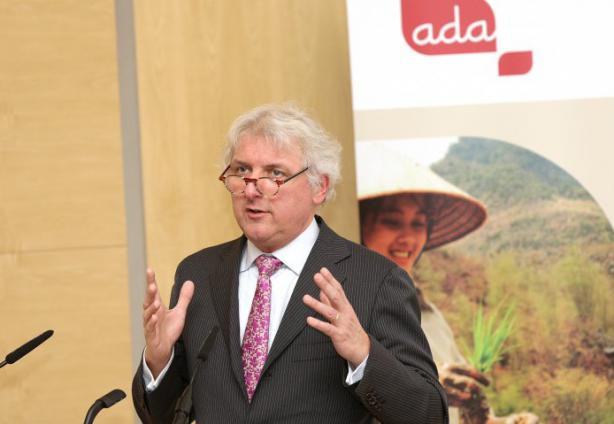
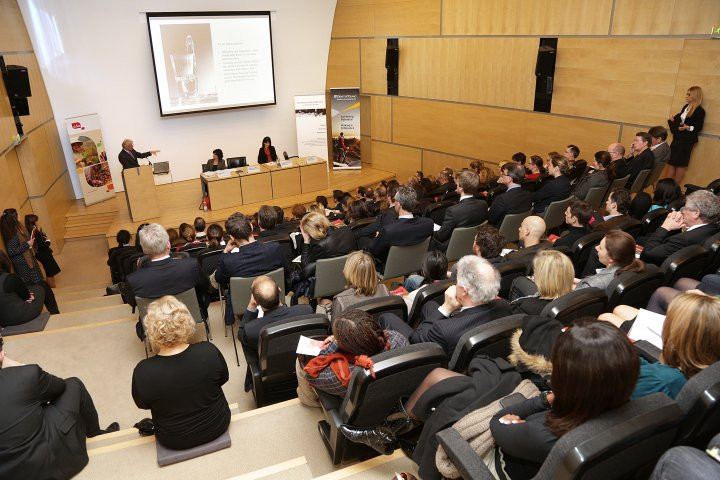

















Luxembourg may soon be at the heart of a new type of “good investing” structure, panellists said at a recent microfinance event. Traditional financial investors are increasingly working with not-for-profit organisations to support development projects, speakers noted during the March 14 edition of the “Midi de la microfinance” conference series, which is organised by the Luxembourg-based microfinance support group ADA.
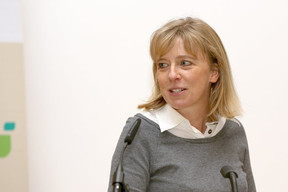
“Impact investing is important and it’s going to be even more important in the future,” summarised panellist Dr. Carmen von Nell-Bruening of consultancy Ernst & Young. “In current times where public institutions and governments are cutting back on their budgets to funds social advancement, indeed it’s time for private capital to come in, and the private capital luckily enough is coming in.”
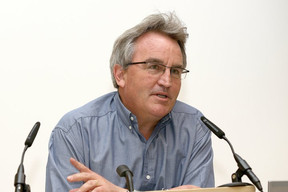
“That is basically what impact investing is all about: creating a better world while making a decent financial return,” observed Dr. Harry Hummels, an ethics professor at Maastricht University and managing director of Dutch microfinance fund firm SNS Impact Investing. He explained that private money is entering microfinance mainly because government aid budgets have been slashed since 2008.
In fact, “the continuing financial crisis and euro zone turmoil has led several governments to tighten their budgets, which has had a direct impact on aid to poor countries,” the rich world economic think tank OECD has reported. On April 3 it said that “development aid fell by four percent in real terms in 2012, following a two percent fall in 2011” and that only “Denmark, Luxembourg, the Netherlands, Norway and Sweden continued to exceed the United Nations’ ODA target of 0.7% of” gross national income.
Impact company law
One way to increase the amount of private capital going to worthy projects is the proposed “société d’impact” or “impact company” law, explained Marc Elvinger of the law firm Elvinger, Hoss & Prussen. He is a member of the “European Impact Investing Luxembourg” initiative that is pushing the measure (for more on the bill, see the cover story of Delano’s April print edition, to be released April 17).
Elvinger said that an impact company--which could take the shape of any corporate structure that currently exists in Luxembourg--would allow two different types of investors to fund the very same vehicle.
Impact investors, such as foundations and government aid agencies, whose first priority are social development objectives, would hold a non-profit-seeking class of shares, while preferred shares would be held by traditional return investors, who are primarly interested in financial results.
Speaking in support of the “impact firm” bill, Hummels said: “Why don’t we create a marketplace in which impact investors in various stages of the financial supply chain can meet each other, can exchange ideas, and certainly can do deals… and I really encourage the Luxembourg financial industry to pick that up and to take that to the next level.”