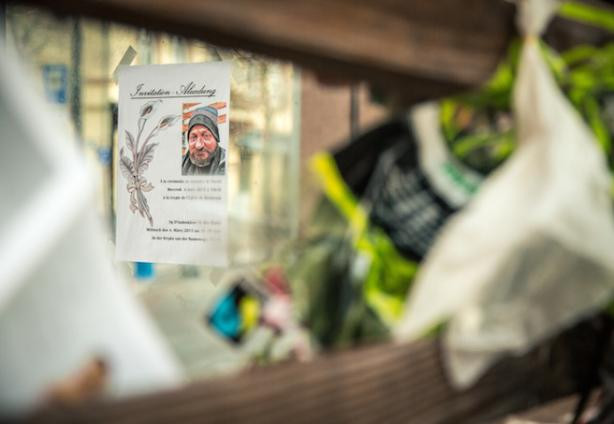
The death of 58-year old Daniel Marinelli has shaken Luxembourg like few others in recent years. The homeless man, a familiar figure on the streets of Bonnevoie, was found dead on a cold February morning after spending yet another night out on the street. Questions have been asked about how a homeless man could die of exposure in a rich country like Luxembourg.
For experts in the field, however, the death of someone like Daniel--though a tragedy--was hardly surprising. Alexandra Oxacelay, head of the Stëmm vun der Strooss association that helps the homeless, has explained that there are others out on the street whom social services have an eye on, wondering whether they will survive the winter without adequate shelter. The homeless who simply don’t allow themselves be helped, despite the best efforts of social services, face a tough time when temperatures drop.
Such was the case with the long-term homeless like Daniel, according to Oxacelay and others who knew him on the street. The longer someone is on the street the more difficult it is for social workers to make a connection. However, just because someone refuses assistance does not mean they have chosen their lifestyle.
Some help is at hand. Social workers know the field well and where possible patrol the streets during winter nights, encouraging those they find to take a bus to the temporary winter shelter in Findel. But some simply refuse to head there for various reasons--because they don’t want to be tied down to the shelter’s opening hours or because there is a risk of violence.
One solution would be the introduction of a sort of social emergency service of the type that works abroad. “We are a rich country and we invest a lot in social structures, but we don’t have an emergency social service,” says an exasperated Oxacelay.
But as with so many social problems, reactive solutions fail to tackle the real cause and are little more than a patch job. Politicians need to recognise the urgent need to intervene more quickly before people find themselves in the vicious cycle of having no home address and thus no chance of finding work or access to regular medical services.