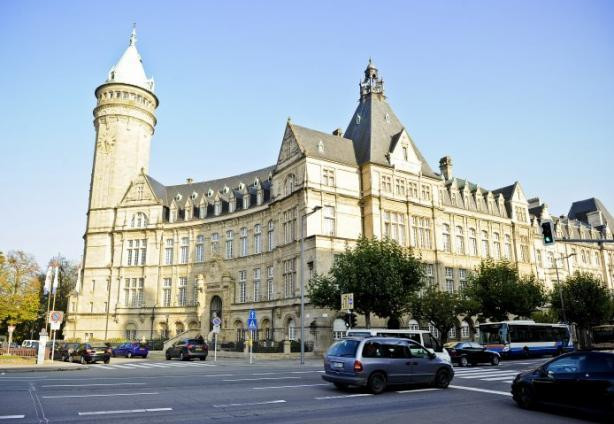
We have all heard the stories, apocryphal or not, of tourists mistaking the Banque et Caisse d’Épargne de l’État or even the now abandoned headquarters of ArcelorMittal for the Grand Ducal palace. These tales make we longer-term residents of Luxembourg snicker and feel superior.
But a few recent experiences have illustrated that many veterans of living in Luxembourg, and even natives who have been here all their lives apart from the years spent at university, still suffer from some common misconceptions, confusing buildings and institutions.
For instance, one hip young Luxembourger did not know that the annual International Bazaar, a highlight of the Advent season, was different from the Red Cross Bazaar that is held a week beforehand.
There are still people who turn up at the Utopia cinema in Limpertsberg hoping to catch a blockbuster that is actually screening at the Utopolis complex in Kirchberg.
Further confusion surrounds the capital city’s largest theatre close to the Rond-Point Schuman in Limpertsberg. It is not home to the Théâtre National du Luxembourg. No, the building, which urban legend has it was modelled on a design originally intended for Africa (thus the small windows), is actually the Grand Théâtre (or “de Groussen Theatre” in Luxembourgish), and is owned by the Ville de Luxembourg.
It was built in 1964 to offer a larger capacity venue than the Capucins theatre and now, under the direction of Frank Feitler, attracts a great programme of prestigious visiting dance, theatre and opera companies.
Despite its grand name, the Théâtre National (which was only founded in 1996) is actually housed in a much more modest venue, a converted smithy in Merl that it has occupied since 2004.
Both theatres put on English-language productions and both are well worth visiting, just make sure you know which is which before setting out for a show.