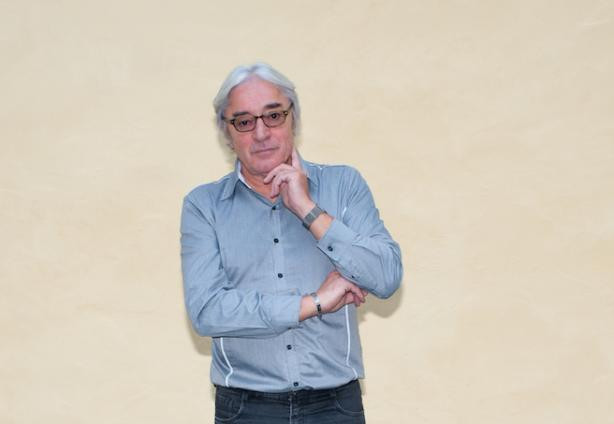
Looking back on 1995, Claude Frisoni is proud of what he achieved. If not exactly a year zero of cultural life in Luxembourg, then it was certainly a “detonator” as Frisoni puts it.
Sitting in the Brasserie at the Abbaye de Neumünster--now Neimënster, a name that he openly detests--the former director of Luxembourg’s programme during its first reign as European Capital of Culture 1995 admits that 20 years ago budgets were more readily available, even if constraints were in place.
On the other hand, Frisoni had just seven months to prepare the programme for 1995, having been drafted in to replace Guy Wagner, who had resigned from the post in early 1994. “We were there to save the day, to avoid an embarrassment,” he says now.
But the appointment got people talking about culture, and eventually changed attitudes towards the arts. “For the first time Luxembourgers queued to pay for exhibitions. Musicians and choreographers were encouraged to make a living from their art.”
“I was incredibly lucky to have been part of that year. It met a need and it awoke a maturity in Luxembourg society,” says Frisoni. “It arrived at a key moment, even if we were not fully aware of it at the time.” Acts like José Carreras and The Rolling Stones--the latter a coup pulled off in just two months--were drawn to Luxembourg and indirectly the 1995 culture year led to the opening of the Casino contemporary art forum and other arts venues, including Mudam.
“Jacques Santer, then still prime minister, showed me Pei’s plans for the museum and said that if 1995 was a success, he would be able to lay the foundation stone.”
We clearly have to thank Frisoni for much that has happened in Luxembourg’s cultural scene over the past 20 years.