On 1 January 2023, the Complementary Delegated Act will come into force. The act includes--“under strict conditions” as the European Commission insists--specific nuclear and gas energy activities in a list of economic activities considered sustainable investments within the EU taxonomy.
Since its announcement on 31 December 2021, Luxembourg has protested the inclusion of the act, stating that nuclear energy is expensive and highly dangerous for the citizens and the environment. Ten months later and only a week before the deadline (10 October), a legal challenge has yet to be submitted before the European Court of Justice.
However, as confirmed by a spokesperson of the grand duchy’s energy ministry, “Austria is still preparing the lawsuit and will deliver it punctually.” The spokesperson also dispelled news that it had dropped the lawsuit against the Commission, telling Delano on 3 October that “Luxembourg has not changed its position regarding a possible lawsuit against the EU taxonomy.”
“Luxembourg will continue to join a lawsuit against the EU taxonomy. At the moment, it is expected that Austria will file a lawsuit. After that, the procedure will start where Luxembourg can join this lawsuit,” they added. As investigative site Reporter.lu explains, the grand duchy will present itself as a litigant on the Austrian lawsuit.
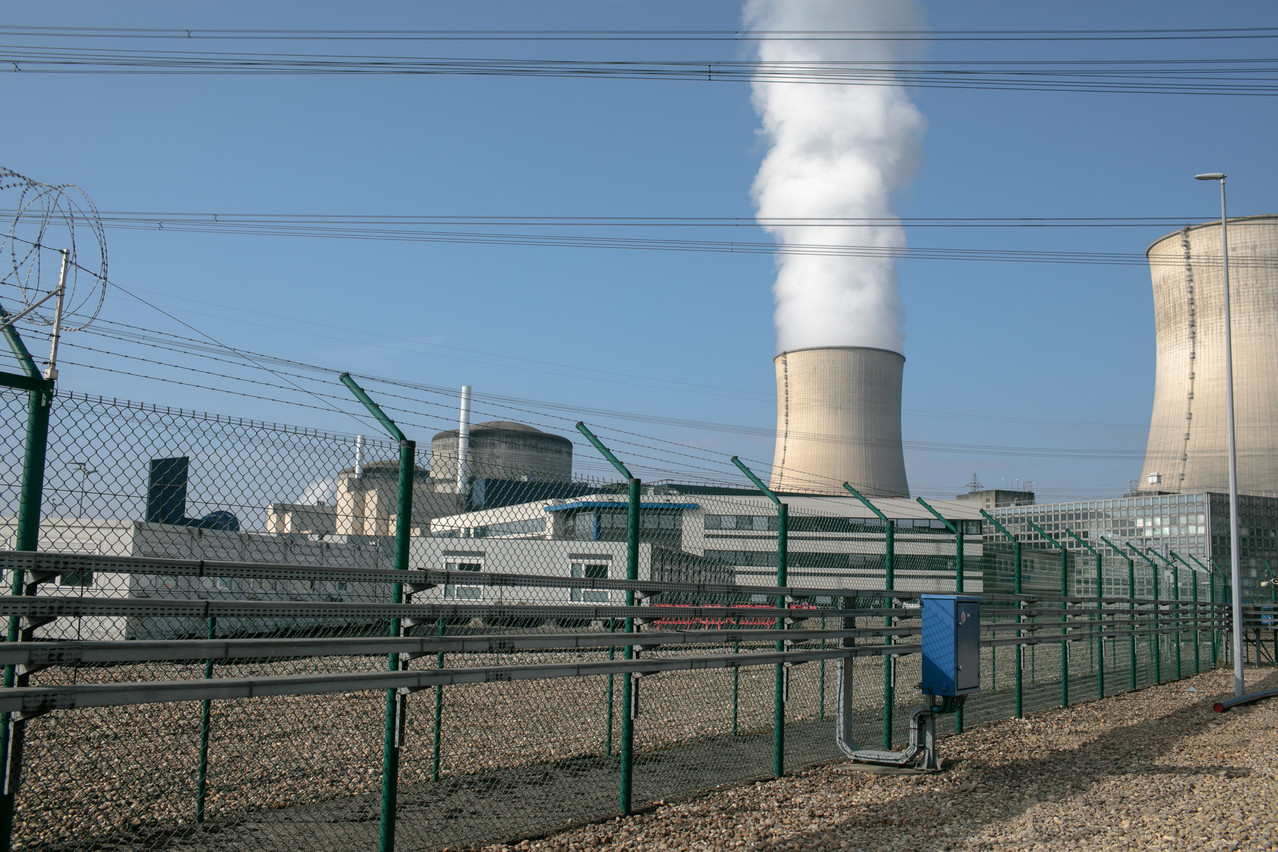
With the war in Ukraine and the corrosion of nuclear plants in France, like in Cattenom, the grand duchy has repeatedly underlined its opposition to the energy source. Despite a gas shortage, the country does not plan to review this position.
At the same time, Luxembourg’s pension fund FDC, with a fund of €22.9bn, has been criticised by NGOs in the past for investing in energy providers operating nuclear power stations, such as Electricité de France (EDF), which runs the Cattenom power plant near the Luxembourg border. The fund has said it would review these investments, with a review of its investment strategy covering 2023 to 2028 pending.
Delano has contacted the Austrian embassy in Luxembourg, who confirmed that the lawsuit was “definitely happening” and would be sent in time for the deadline as the country considers the energy source not sustainable at all.