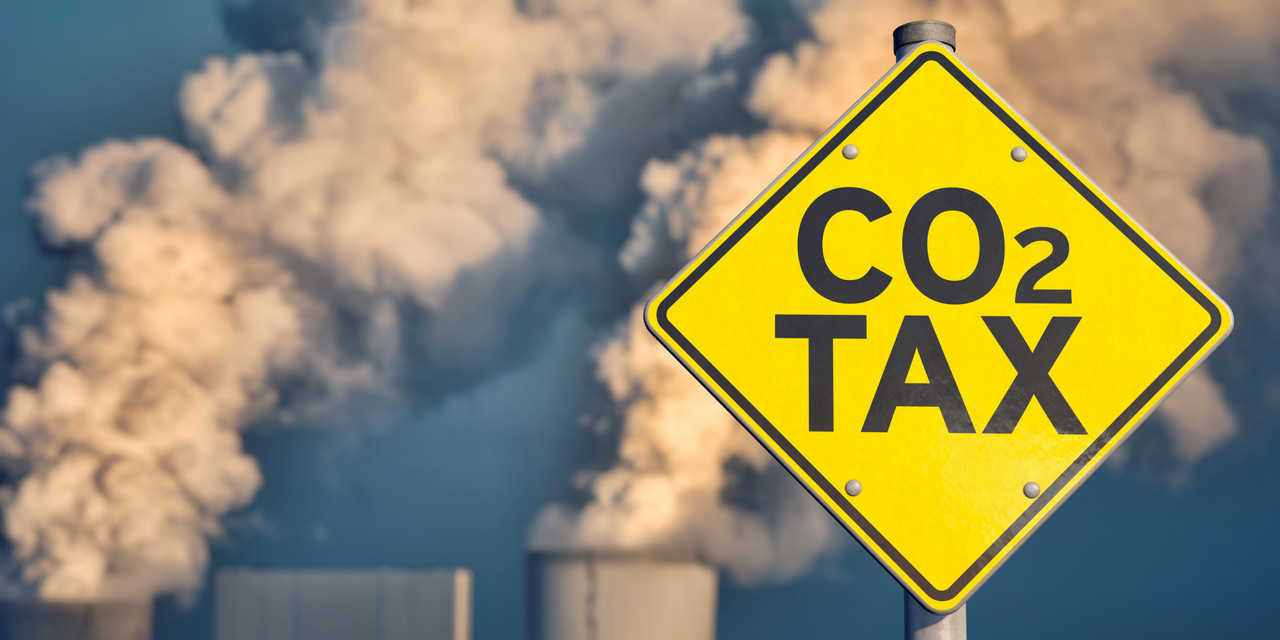
Luxembourg’s CO2 tax remains one of the main tools in the country’s efforts to deal with the climate crisis. It requires companies that emit greenhouse gas over a certain limit to pay a tax. Introduced in 2021, the measure is set to be gradually increase in 2022 and 2023.
The €198m collected by the government is comprised of €71m from the long-standing climate contribution tax and €127m from the new CO2 tax priced at €20 per tonne of CO2. Fuel prices have increased over the past year, resulting in diesel sales going down by 21% and petrol sales by 10%. A 10% increase of the allocation of the subsidy for lower income families was implemented on 1 January 2021 to compensate for people’s loss of purchasing power.
Luxembourg’s climate and energy fund will be bolstered by the entirety of the €71m collected via the long-standing climate contribution tax.
The CO2 tax is expected to result in an 11% fall in greenhouse gas emissions, according to estimations by statistics bureau Statec. But compared to 2020 they will rebound by 10% by 2023. “The impact on tax revenues would be negative in the medium term and the impact on households with a low living standard would be neutral,” stated Statec in its evalution of the CO2 tax.