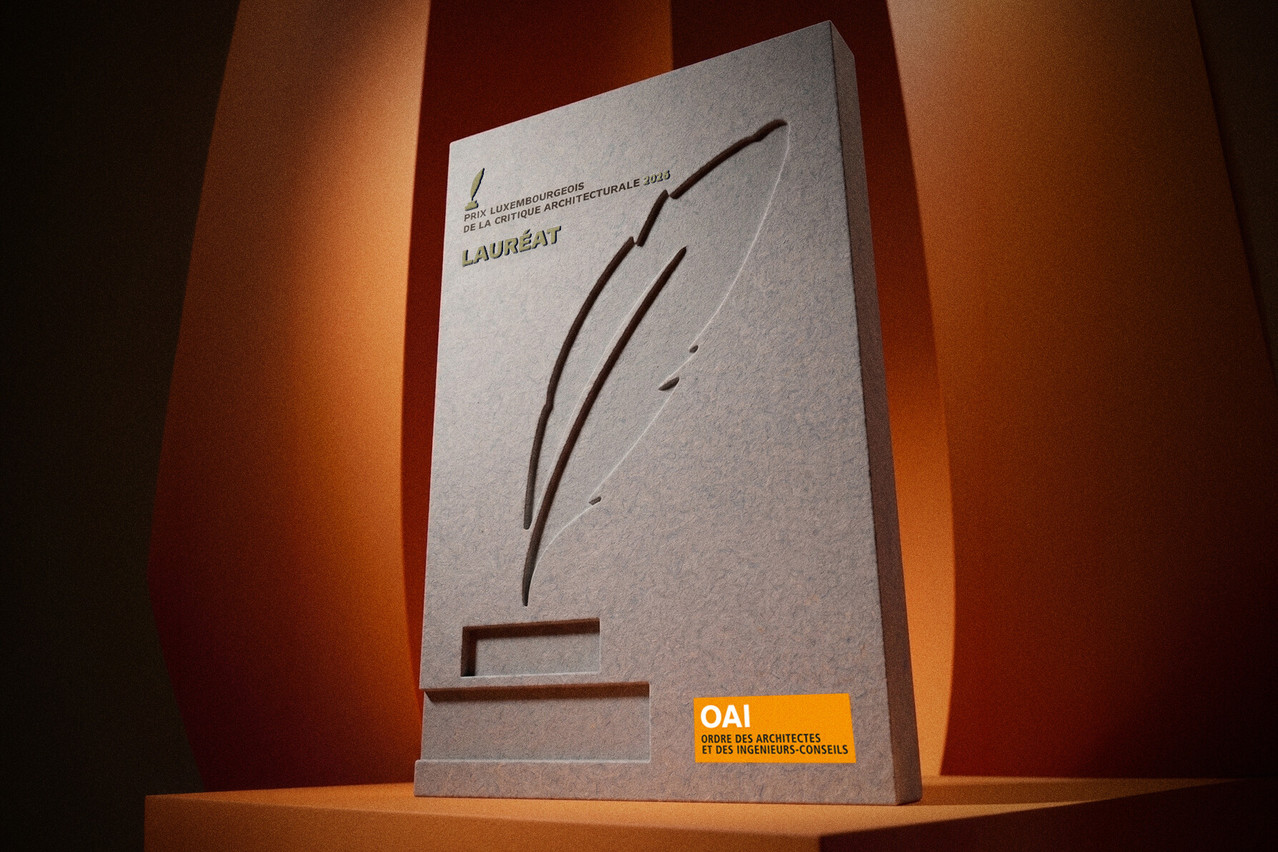
Luxembourg is taking a significant step forward in the recognition of architectural criticism. On 29 April, alongside the sixth edition of Architect@Work, which will take place at the same venue (Luxexpo The Box) on 28 and 29 April, the Ordre des architectes et des ingénieurs-conseils (OAI) is organising a public event structured around two key highlights: a round table open to the public and the presentation of the first Luxembourg Prize for Architectural Criticism.
Behind this initiative lies a clear aim: to fill a gap. “We need to inspire a desire to write, to get involved, and to spark public debate on built culture in Luxembourg,” he insists 
Shaping a debate that is still in its infancy
Whilst Luxembourg has established itself in recent years as an urban laboratory on a manageable scale, architectural criticism has not yet found its rightful place there. “We have a story to tell, as we are a country of just the right size to experiment with a resilient living environment,” emphasises Pierre Hurt. But this development still needs to be discussed, analysed and put into perspective.
The OAI is part of a broader trend, which began notably with the publication of an architectural guide dedicated to Luxembourg by the international publisher DOM Publishers, which has helped to position the country alongside major capitals such as Paris, London and Tokyo. “This is a significant recognition and another step towards putting Luxembourg on the global map of architectural landmarks,” he emphasises.
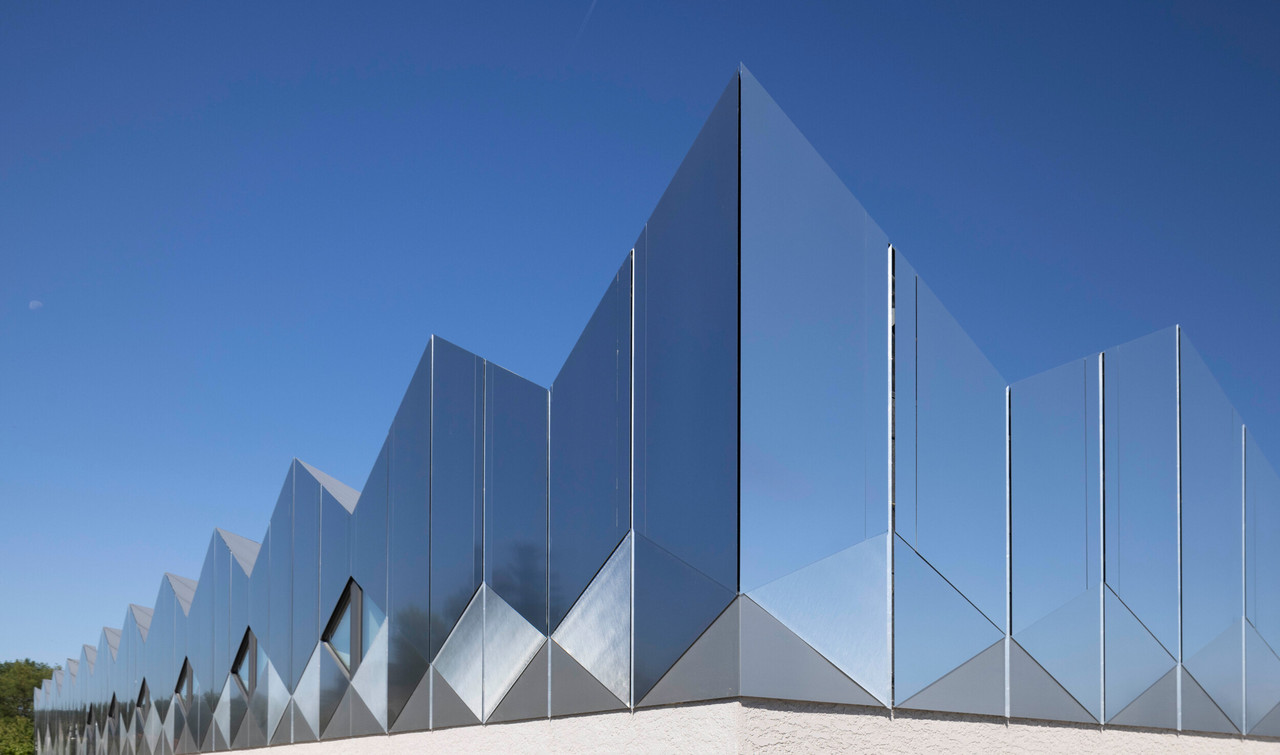
On the initiative of the OAI, the time has come for a new way of thinking and a fresh approach – both of which are still rare – with the aim of placing architecture within a framework of continuous progress. Photo: Paperjam – Architecture Jil Bentz
A day of exploration and discussion
The highlight of the day will be the presentation of the first Luxembourg Prize for Architectural Criticism. It will be awarded by 
It should be noted that the ceremony will begin with a laudatory address by Philippe Meuser, a publisher and a leading figure in architectural criticism in Europe.
Prior to this, a round-table discussion will bring together several leading figures from the worlds of architecture, the media and institutions: Pierre Hurt, 

Feedback should also be provided after the event – sometimes two years after completion – to inform and improve future projects.

The discussion will focus on the role of criticism in improving projects and on its timing. “Criticism should also take place retrospectively, sometimes two years after completion, to inform and, in effect, improve future projects,” explains and argues Pierre Hurt. This approach is still rare, but he believes it is essential for embedding architecture within a framework of continuous progress.
Criticism aimed at improvement, not judgement
Beyond recognition, the aim is above all constructive. “Architectural criticism must contribute to the quality of projects; it is a reciprocal relationship,” insists the director of the OAI. Far from being about confrontation, the aim is to foster a dialogue between designers, users and observers.
The round-table discussion will conclude with a question-and-answer session with the audience, furthering this commitment to openness and public participation.
With this inaugural edition, Luxembourg is laying the foundations for a vital ecosystem that is still taking shape, but which is essential to the maturity of its architectural output. This is an initiative that is set to become a long-term fixture.