After a first mandate in 2018, why are you standing again for the 2023 municipal elections?
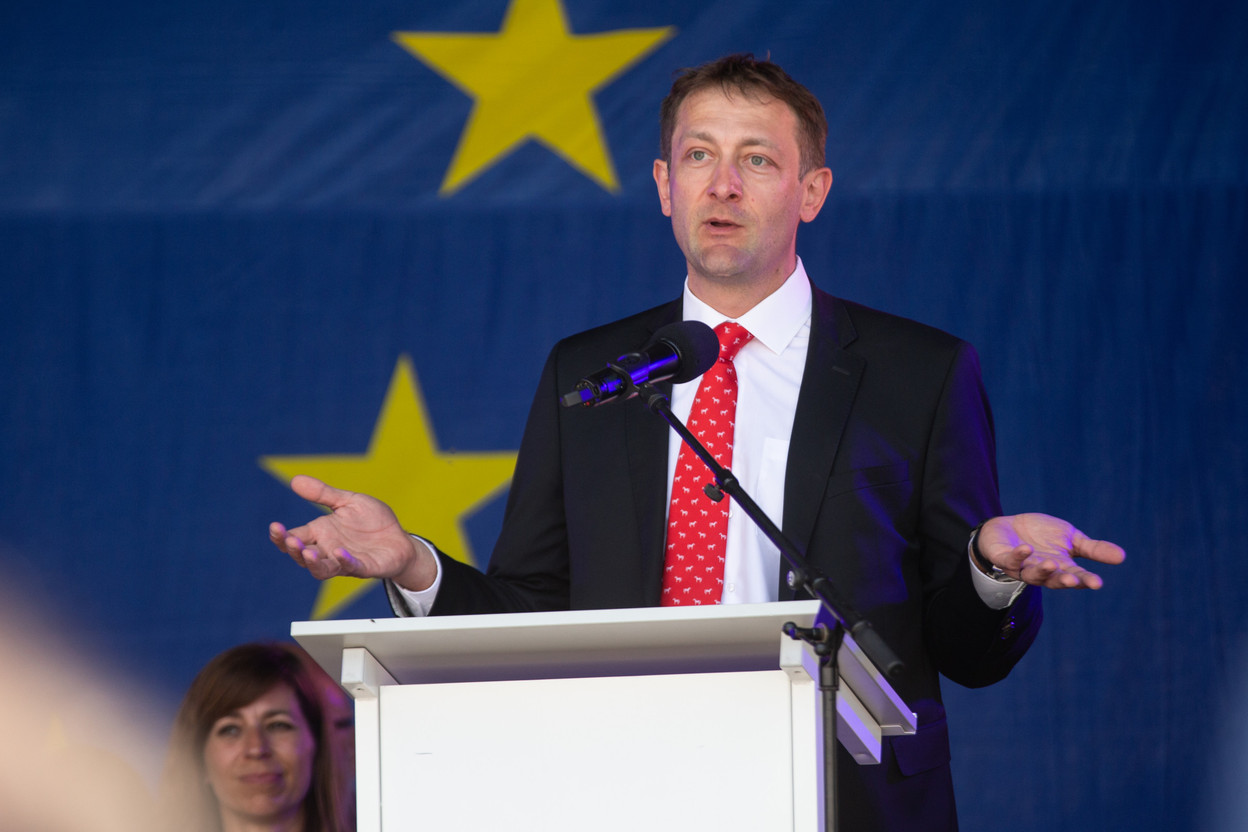
Luc Emering: At municipal level, it was quite clear to me that I wanted to remain committed to my municipality of Dippach. We headed the list with 
You were twice offered the chance to run for parliament in 2023, but initially declined. In the end was it 
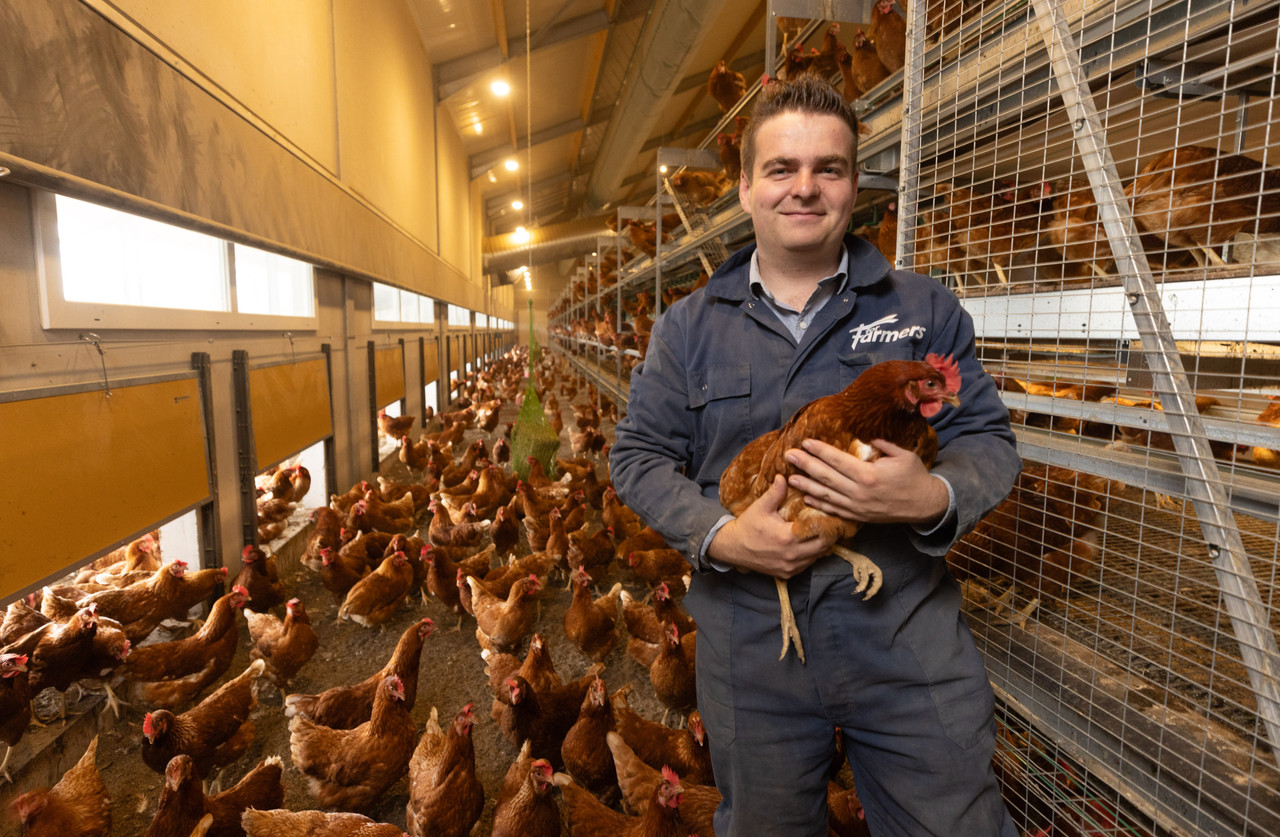
Yes, I wasn’t against the idea of doing the national campaign, but there were a lot of things to sort out first. I was still president of the Young Farmers, and it was only a year ago that I took over from my father on the farm. In itself, getting involved was a yes, but the timing was very complicated for me.
Was it important for you to represent the farming community at the Chamber?
Yes. If we want to represent the population in all its facets, we need to have MPs who are on the ground.
How are the country’s farmers faring?
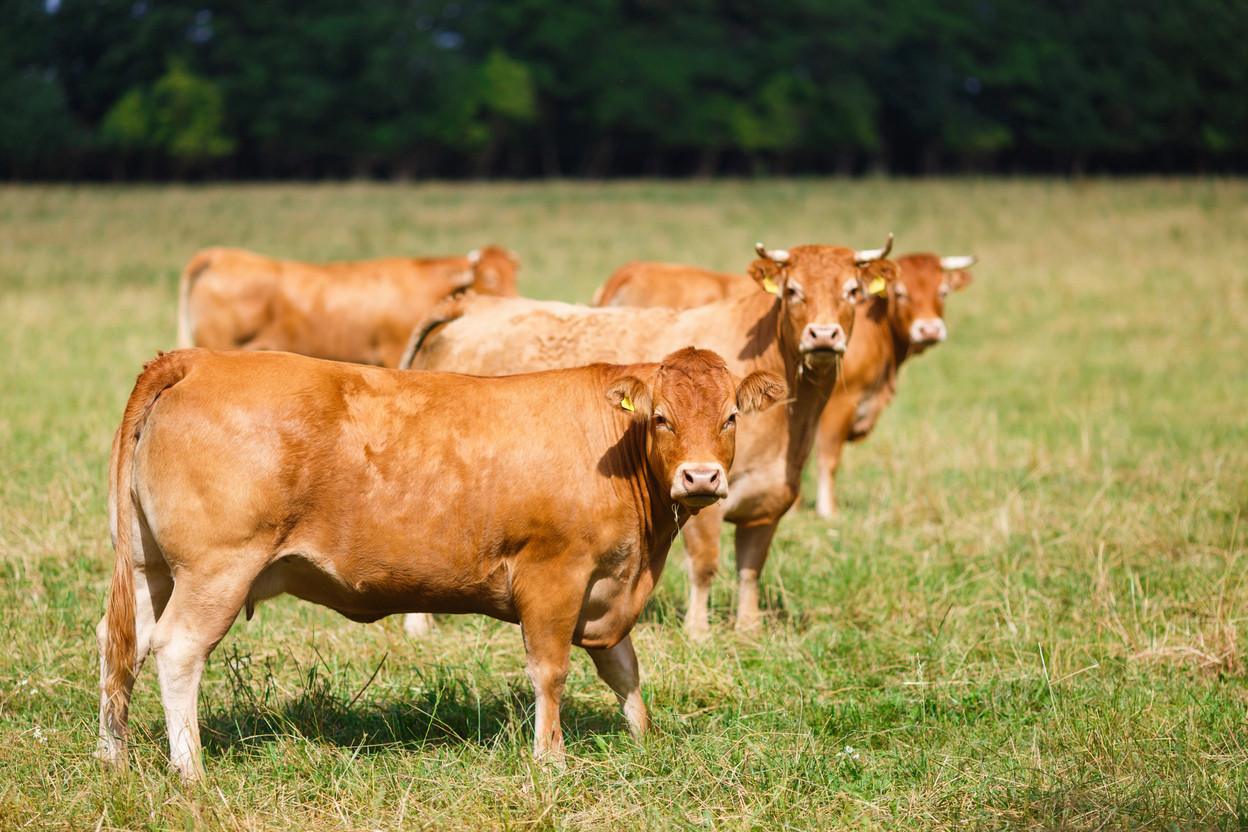
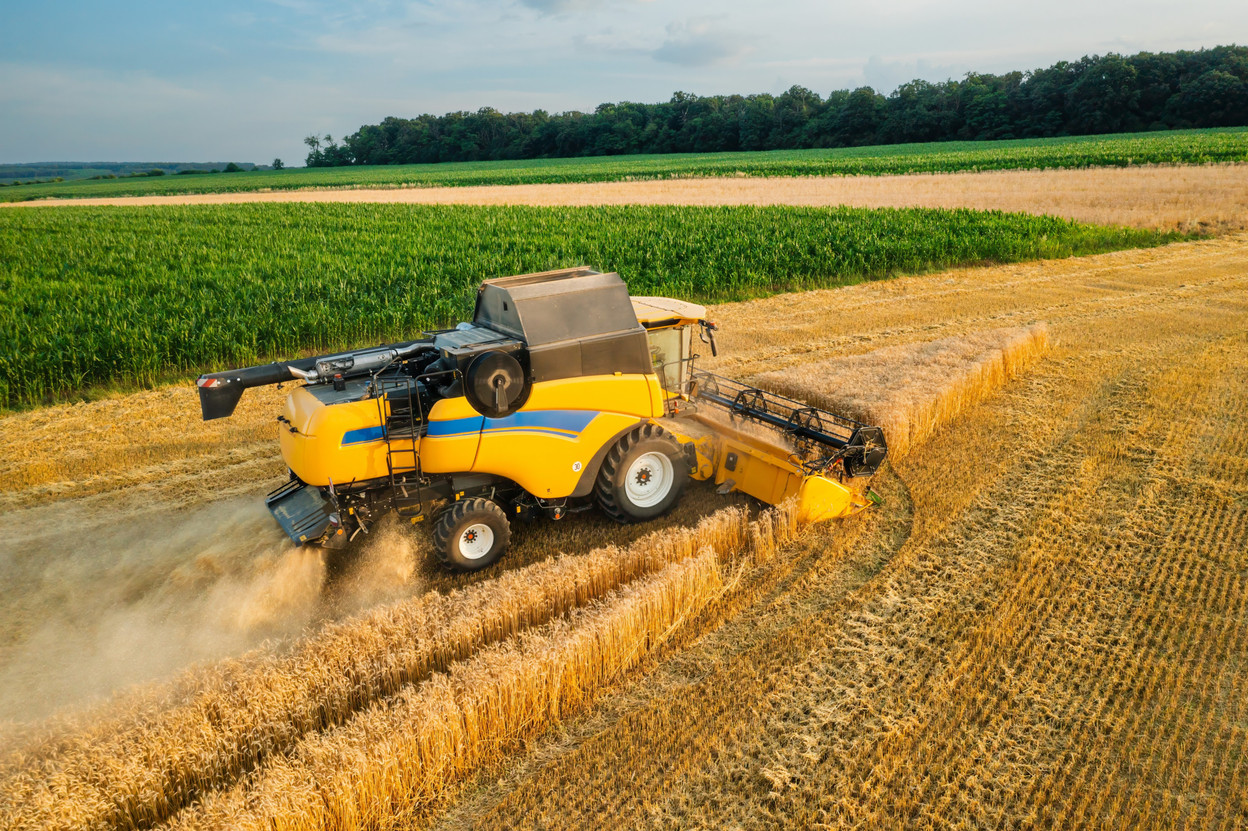
Our prices for dairy products, meat and cereals are the same as our European counterparts. Except that our structures are much smaller. If you look just 50 kilometres from here in France or Belgium, it’s another world. The war in Ukraine is having a major impact, particularly on the wheat market and imports of Ukrainian wheat. The other problem for me is the ministry of the environment, which has to approve our project applications.
And that means?
It’s one of the biggest disasters for the farming world, with the procedures, the delays, and the case-by-case judgement because there are no regulations. And we’re not the only ones saying this, the craft and industrial sectors are saying the same thing. People are fed up with having to deal with civil servants who want to explain to them how their job works.
There are also fewer young people in agriculture?
Every year we have an average of around fifty farms that close, compared with around 15 that are taken over. Over the last 25 years, we’ve lost almost half the farms in the country, and if things carry on like this, in 25 years’ time there won't be any left.
You work in organic farming, and the government’s target for 2025 is to reach 20% of all farms, whereas in 2022 we were at 6.9%.
Today, we’re just under 10%. It was good to have a target, but the big problem was that it was set at the level of surface area, so a lot of conventionally managed farms take certain areas that don't have a very high yield potential, and just convert that surface area. A new plan would have to be drawn up, and that's what we aimed for in the coalition agreement, which is based on the markets.
Has demand also fallen?
Yes, at European level, for the first time in the last two years, there have been more farms converting to conventional production than to organic production.
This article was written in French for the October issue of Paperjam magazine for October 2024 published on 25 September. The content is produced exclusively for the magazine. It is published on the website as a contribution to the complete Paperjam archive.
Click here to subscribe to the magazine.
Is your company a member of the Paperjam+Delano Business Club? You can request a subscription in your name. Let us know via club@paperjam.lu
This article was originally published in French.