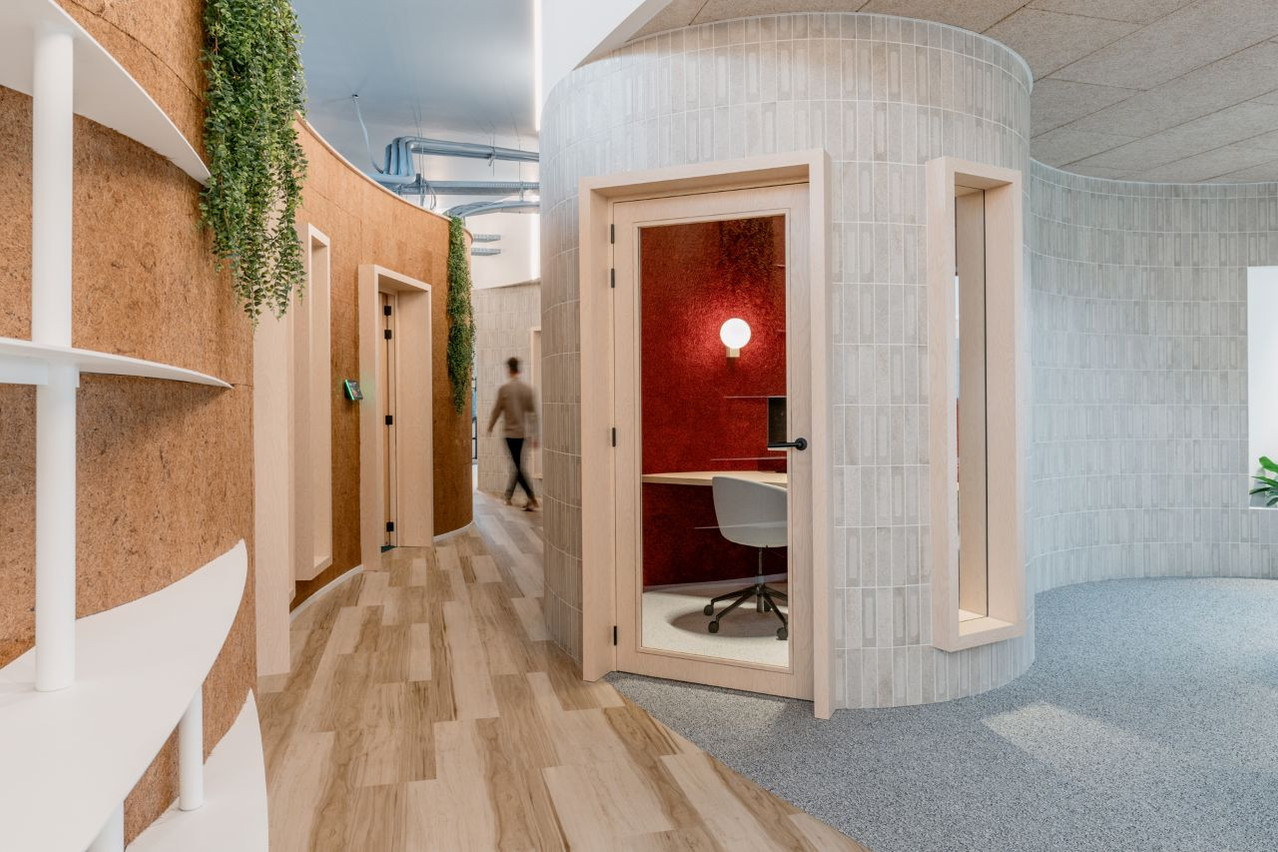
A comprehensive workforce preference study conducted by JLL reveals significant challenges facing Luxembourg employers as they navigate the post-pandemic workplace landscape. The research shows that while many companies have implemented hybrid work policies, a substantial “experience gap” continues to drive employee dissatisfaction across the Grand Duchy.
Key findings highlight retention risks
The JLL Workforce Preference Barometer for Luxembourg uncovers concerning trends for business leaders. Nearly two-thirds (65%) of employees believe their office experience requires significant improvement, while 18% are actively considering leaving their current positions.
“The data is clear: employees are no longer coming to the office just to answer emails,” states Mélanie Leblanc, project director at JLL Luxembourg. “They are seeking meaningful connection, focused collaboration and a supportive environment. If the office doesn't deliver on this promise, the hybrid model begins to fail.”
Time autonomy emerges as new workplace priority
Beyond location flexibility, Luxembourg's workforce demonstrates strong interest in schedule control. The study reveals 57% of employees want four-day work weeks, indicating a desire for deeper autonomy over their professional lives.
“For Luxembourg's cross-border workforce, who juggle complex commutes and international school schedules, the ability to structure their own time is immensely valuable,” notes 
Specific workplace improvements identified
The research identifies concrete areas where Luxembourg offices fall short:
• Acoustic problems affect 49% of workers, making noise the primary workplace complaint
• Biophilic design elements are desired by 47% of employees
• Wellness services rank as the most valued amenity among 53% of respondents
Strategic implications for Luxembourg market
The findings carry particular weight in Luxembourg's competitive business environment. With historically low office vacancy rates and intense competition for skilled professionals, companies cannot simply relocate to solve workplace problems.
“Companies cannot afford to see their real estate as just four walls and a roof,” explains Rekik. “It has become their most critical tool for winning that talent war. Investing in a human-centric workplace strategy is the core of a resilient business strategy for the future.”
“An office transformation isn't just a real estate project; it's a change management initiative,” adds Leblanc. “Success requires a holistic approach that aligns space, technology and culture with business goals.”
For more information, contact lux@jll.com or visit www.jll.lu.
A full version of this article is also available in French.