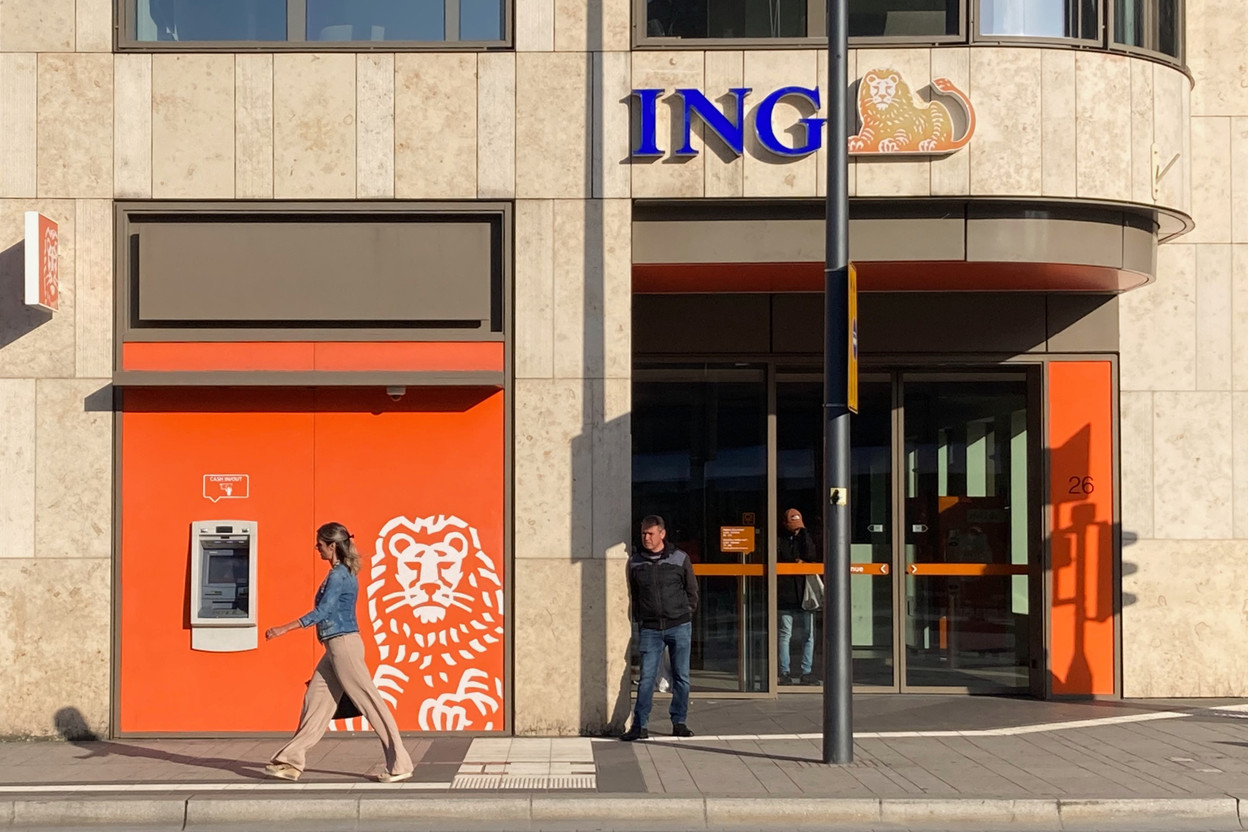
ING Luxembourg’s pull out from the retail banking market puts a cloud over its branch network in the country. The bank’s branch network had already shrunk from 16 branches in 2018 to nine today (five open only by appointment and four open all day). "We want to have bigger branches and be able to serve our personal and private banking customers better. In the long term, we will therefore concentrate on one or two larger branches", ING said in a statement.
In any event, we can expect a further reduction in the overall network of bank branches in Luxembourg, which has shrunk drastically in recent years. Between 2018 and today, the number of local service points has plummeted:
- from 62 to 50 at Spuerkeess;
- from 63 to 40 at Post Finance;
- from 38 to 29 at Raiffeisen;
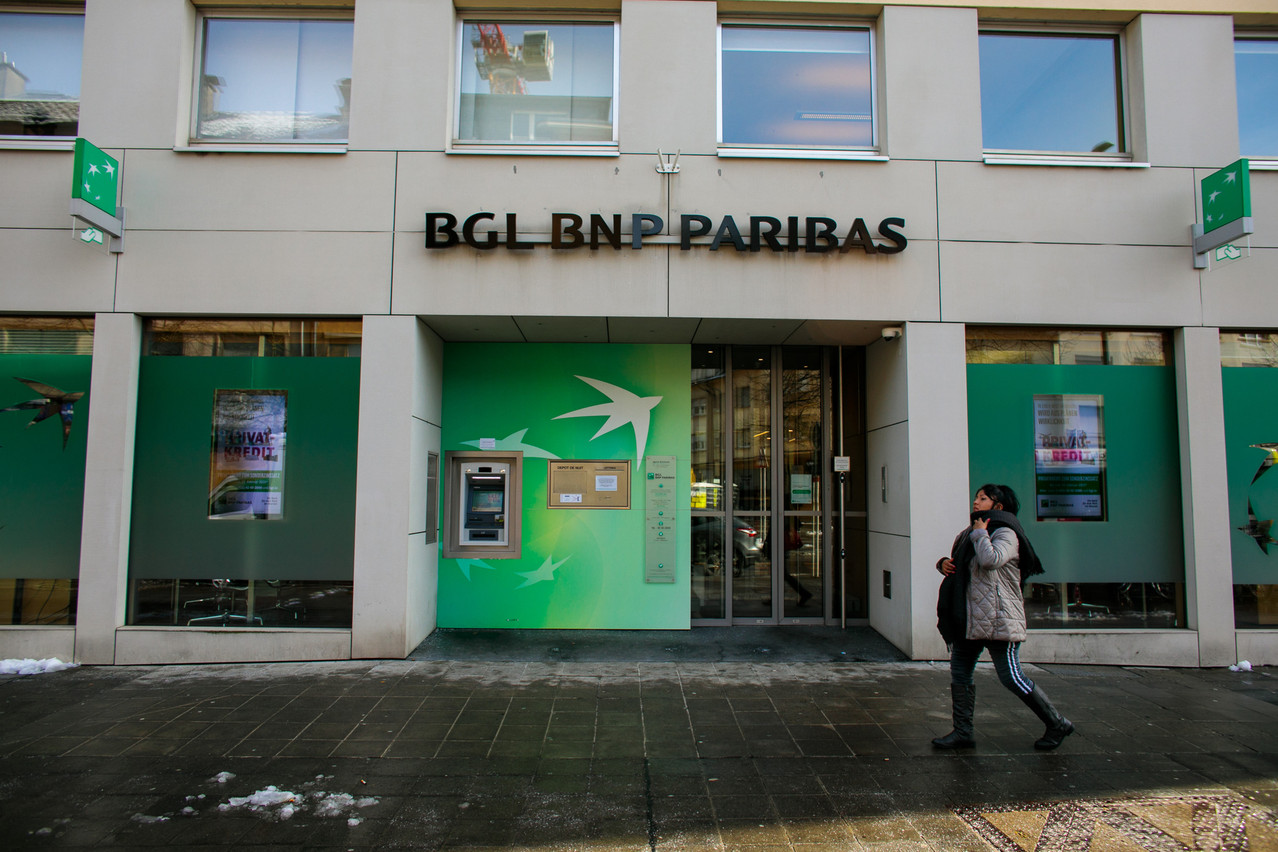
- from 41 to 28 at BGL BNP Paribas;
- from 40 to 22 at Bil.
The latest annual survey of retail banking by the Luxembourg Bankers’ Association (ABBL) reveals a mixed picture. On the one hand, the country remains well covered compared with its neighbours: with 34 branches per 100,000 inhabitants, Luxembourg ranked behind France (53) but ahead of Belgium (33), Germany (28) and the Netherlands (5) in 2021. The ABBL’s head of communications, Paul Wilwertz, attributes this good coverage to two factors: “Luxembourg is a very local market, where people know each other. And it’s a very competitive market, with a good retail offering.”
Covid has accelerated the digitisation of banking services, particularly payments.

Nevertheless, the study confirms the underlying trend. Between 2021 and 2022 alone, the number of bank branches in Luxembourg fell from 221 to 197 (-11%). “Covid has accelerated the digitalisation of banking services, particularly payments. In many areas, Luxembourg is even at the top of the European league when it comes to new behaviours or acceptance of innovative solutions,” said 
The number of cash withdrawals at bank branches has fallen sharply in 2022 compared with the pre-covid year 2019 (-60%), as have money transfers carried out at branches (-56%), according to the ABBL. Another point raised by the trade group is that Luxembourg ranks third in Europe--behind the Netherlands and Finland--for peer-to-peer payments made via mobile applications. The same trend applies to instant payments, where “Luxembourg residents are the most active in Europe in considering access to this new functionality”.
Physical needs for digital assistance
Customers have therefore significantly changed the way they interact with the bank. The widespread use of online services is accompanied by a substantial increase in the number of telephone calls and emails, say the institutions. “The role of bank branches and the services they provide have changed considerably. Customers make far fewer visits to branches, and when they do, it’s for a specific need, for which they expect advice, usually by appointment”, says Bil, where “counters have all but disappeared”.
Spuerkeess confirmed the increased role of advice in its services. For example: “Property advice has evolved to become a speciality in its own right. Previously managed by the branch manager, this area now requires dedicated specialists due to its increased complexity and stricter regulations.” With the rise of online services, the need for digital assistance is also growing: “For example with Luxtrust Mobile, especially with the announced disappearance of tokens. Even though this is a one-off situation, it represents a lot of consulting time”, said the state savings bank.
In small offices, improvements are often very difficult to implement.

The functions of bank branches have therefore adapted to the changing needs of customers. At Post Finance, the decisive criteria for diversifying the sales network are as follows: “Longer opening hours, a comprehensive range of mail, finance and telecoms services, competent and friendly customer service and a central location with easy access by public transport”. However, the postal bank makes no secret of the fact that “these improvements are often very difficult to implement, especially in small branches”.
At Raiffeisen, branches have become either “full-service branches” offering the bank’s entire range of services, or “advice branches” focusing solely on customer advice. For its part, BGL BNP Paribas says it has “adapted the design, opening hours and telephone accessibility of [its] branches, making them more of a meeting place rather than just an operational location”.
Originally published in French by Paperjam and translated for Delano