Which influencers will have to comply with the new media regulations? The current stage of Bill 8625 on the media and the organisation of the Luxembourg Independent Media Authority does not yet allow for a clear determination of this. In its supplementary opinion issued on Tuesday 13 October 2026, the Council of State maintains the objections raised in its first opinion of 24 February 2026, whilst suggesting that the legislature change its approach, namely to move away from a regulatory framework based on audience size towards one that prioritises the nature of the activity. This approach is supported by the Luxembourg Independent Audiovisual Authority (Alia).
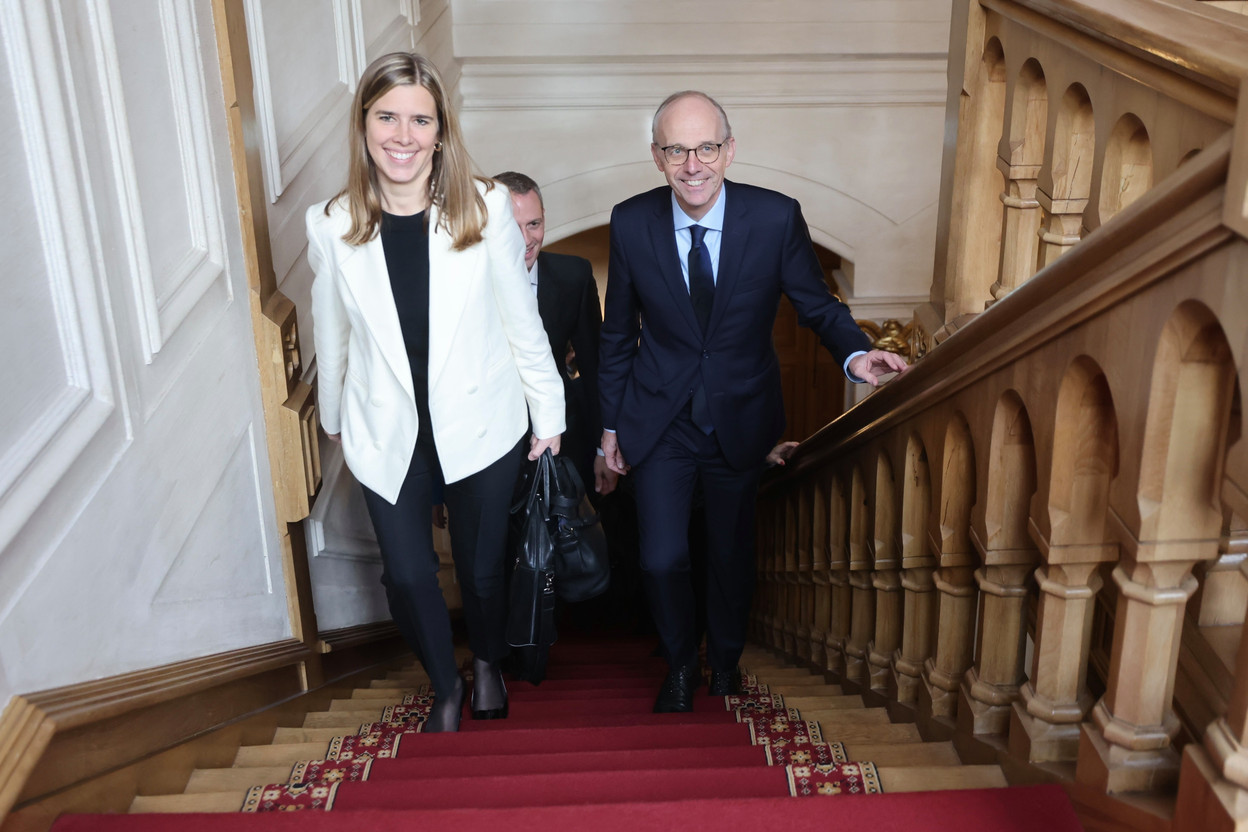
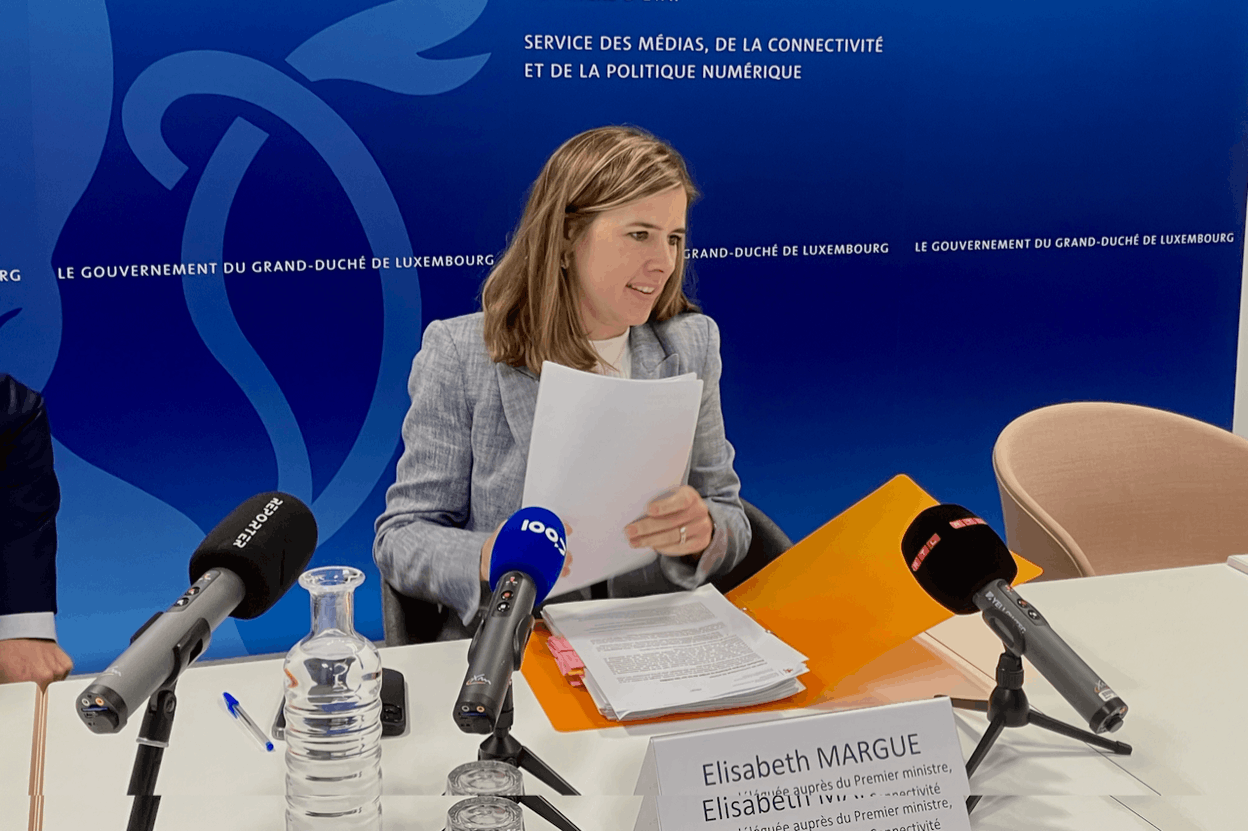
The bill tabled by the Minister Delegate to the Prime Minister, responsible for Media and Connectivity 
The creators concerned should, in particular, clearly label their adverts and partnerships, comply with advertising restrictions on certain products, and protect minors from messages that exploit their gullibility. They would also be subject to bans on unlawful content, including incitement to hatred or violence.
Who qualifies as an influencer?
The difficulty lies in determining at what point a person falls into this category. The government has announced its intention to regulate influencers who reach a wide audience. However, the text does not specify what constitutes a ‘wide audience’, nor how to distinguish between occasional and professional activity. In its opinion of 24 February, the Council of State emphasised that ordinary users could be subject to these obligations without realising they were affected. It called for sufficiently precise criteria so that everyone could know whether the law applies to their activity.
Members of Parliament attempted to address this by setting thresholds for public prominence. However, they did not specify either the figures or the indicators to be used: number of followers, views or other criteria. They left these decisions to a Grand-Ducal regulation. The Council of State considers this response to be insufficient. The Act itself must define the criteria for determining which individuals are affected. A regulation could then specify the numerical thresholds.
Small audience, big influence
For its part, Alia disputes the very relevance of an approach based on audience size. In its supplementary opinion of 6 July, it does not criticise any proposed figure – none has been put forward – but rather the possible effects of the mechanism. A high threshold would exclude almost all established content creators from the small Luxembourg market, whilst a very low threshold would risk being arbitrary.
Above all, audience size and influence are not one and the same. A small but highly engaged community can give a creator greater impact than an account with a much larger following. The regulator therefore proposes prioritising the regularity of activity, editorial responsibility and the pursuit of an economic activity. The Council of State now considers that this solution ‘could also be envisaged’. The law would set out the objective criteria, whilst a regulation would specify the practical arrangements.
This move brings the two institutions closer together, without amounting to an endorsement of the current system. This is because it does not resolve all the shortcomings identified by Alia. In its first opinion of 23 February, the authority emphasised that a definition based on promotion and financial consideration could overlook informative, cultural or educational content. Ideological influencers acting without remuneration also fell outside this category, despite their contribution to shaping public opinion.
Rules still shaped by television
Vocabulary presents another challenge. As early as 9 January, the Press Council had called for the term ‘programme’ – which is linked to a schedule or catalogue – to be replaced by ‘content’, a term better suited to publications circulating on social media. It also called for a clearer distinction between commercial production and independent journalism. The amendments do indeed introduce a category of ‘digital content’.
However, in its new opinion, the Council of State notes that this amendment remains incomplete. The rules on sponsorship and product placement are intended to apply to content creators, whilst several provisions continue to apply only to ‘programmes’. In particular, it remains to be clarified how the obligations to identify product placement will apply to digital content.
Another persistent weakness is that the criteria used to determine which content creators fall within the scope of the scheme appear to be better suited to companies with a formalised organisational structure than to certain creative professionals. The Council of State warns that these criteria could lead to the exclusion of precisely those stakeholders that the reform is intended to regulate.
Greater protection for freedom of expression
One obstacle, however, has been removed. The original bill prohibited content that jeopardised national security or public order. The Council of State deemed this wording too broad, as it was likely to encompass lawful critical or journalistic content. Its removal renders the corresponding objection moot.
The matter therefore remains open. The new opinion does, however, point the way forward: to ensure influencers act responsibly, the legislator may need to look first at what they do, how regularly they do it and the editorial responsibility they exercise, rather than simply counting their followers.