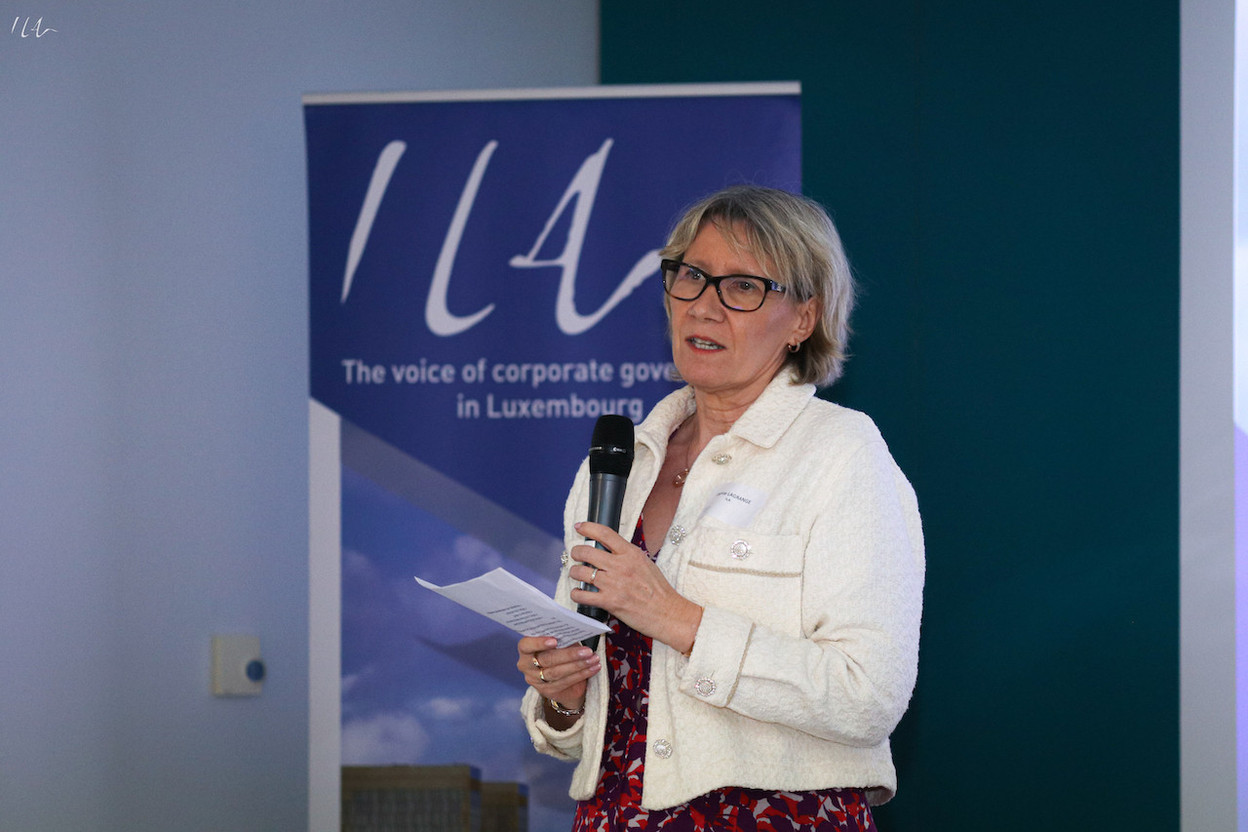
The seminar entitled “Startup, scaleup, but don’t screw up: Creating value from the board for startups and scaleups,” organised by the Luxembourg Institute of Governance (Institut luxembourgeois des administrateurs, ILA) on 13 November, aims to bring together two worlds that have every interest in meeting: on the one hand, the directors of fast-growing startups or scaleups and, on the other, the administrators. The ILA’s credo is that directors are not just for regulated and/or listed companies. Good governance, for which directors must be the guarantors, is a plus for all companies in terms of implementing their business strategy and ensuring their long-term survival.
Being a director of startup or companies that are expanding requires special skills: “You need a special kind of director to strike the right balance between the role of the board of directors and that of the CEO. The challenges are many: these companies are constantly learning and adapting, which means that directors have to deal with an environment full of uncertainty and rapid change. And they have to be as close as possible to the operational action,” explains the ILA.
ILA CEO 
The founders/managers of startups/scaleups are by nature visionaries in their own right. Are they aware of the contribution that a board of directors can make alongside them?
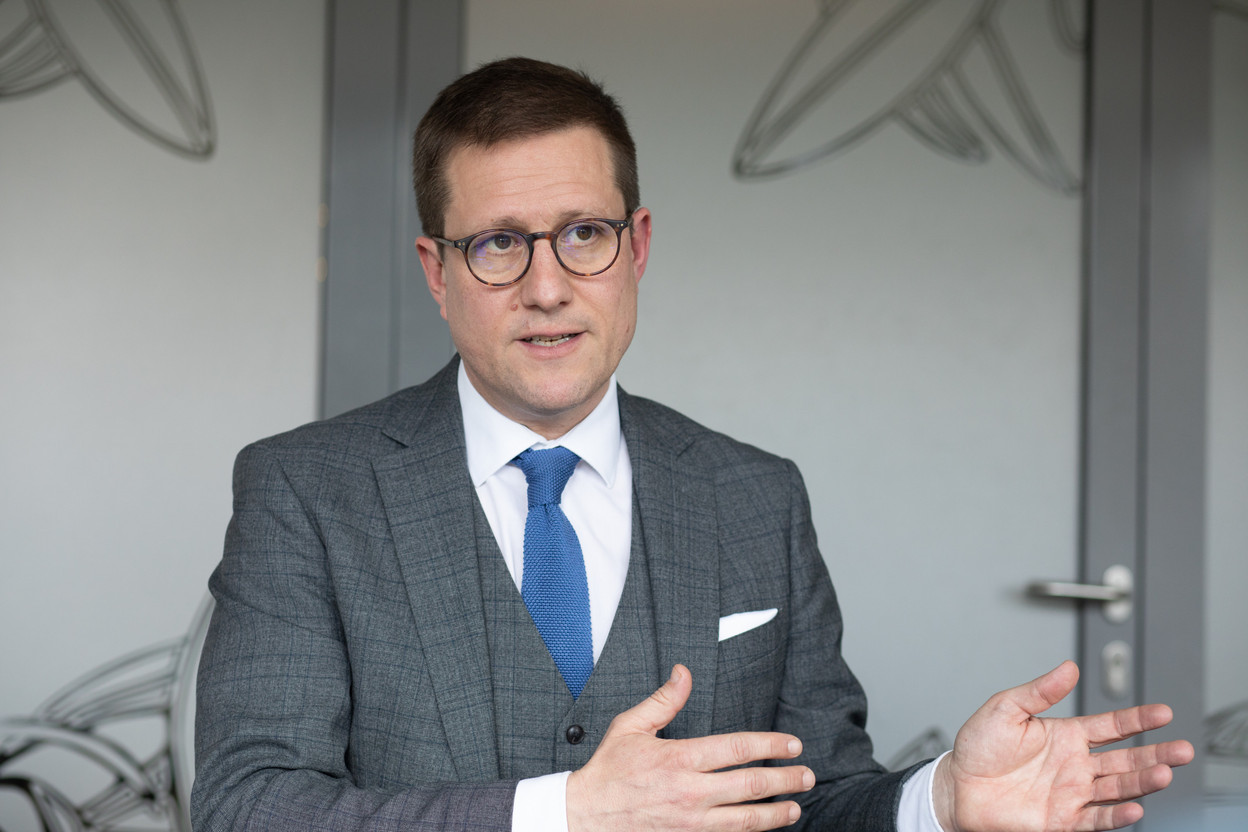
Philipp von Restroff: Some founders may be visionaries in their own right. But sooner or later, all company founders are faced with challenges that they cannot solve alone. To build a company for the long term, to guide it through the various stages from startup to scaleup, founders and entrepreneurs need the help of stakeholders such as investors, employees, advisers, but also directors whose sole mission is to work in the interests of the company.
For startups and scaleups, good governance can be a key factor in securing investment.

Board members help to develop strategy, provide advice through their experience and skills, and secure the company through their oversight function. The ILA would like to highlight concrete examples where governance has propelled companies forward, contributing to long-term success without stifling innovation. For startups and scaleups, good governance can be a key factor in securing investment. Investors also consider it when deciding where to put their money. Putting in place a governance system with structures and procedures as early as possible shows potential investors that the founders/executives are aware of the important role of good business management, that they have a long-term vision and that they are ready to take the next step.
Directors of established companies versus directors of startups and scaleups. What are the common challenges and what are the differences?
Common challenges include compliance with the legal and statutory requirements that define the role, obligations and responsibilities of a director. Professional ethics and the prevention of conflicts of interest are also common points.
The system of governance, i.e., the establishment of structures and procedures, is probably more developed in an established company because it is adapted over time to the company’s size, challenges and risks. The environment of startups and scaleups is characterised by high dynamism and continuous change or adaptation. The advisory role of the board of directors or supervisory board is likely to be more important.
What skills should startup and scaleup directors ideally possess?
As well as the requisite basic knowledge of accounting, finance, risk management and strategy development, they also need to understand the specifics of this environment. Of course, directors also need to have experience and expertise that is relevant to the business. But the most important thing is to understand that the board of directors is a collective that succeeds best when it has a diverse composition. In terms of professional experience, expertise, skills, origin, culture and gender.
Practical information and registration here.