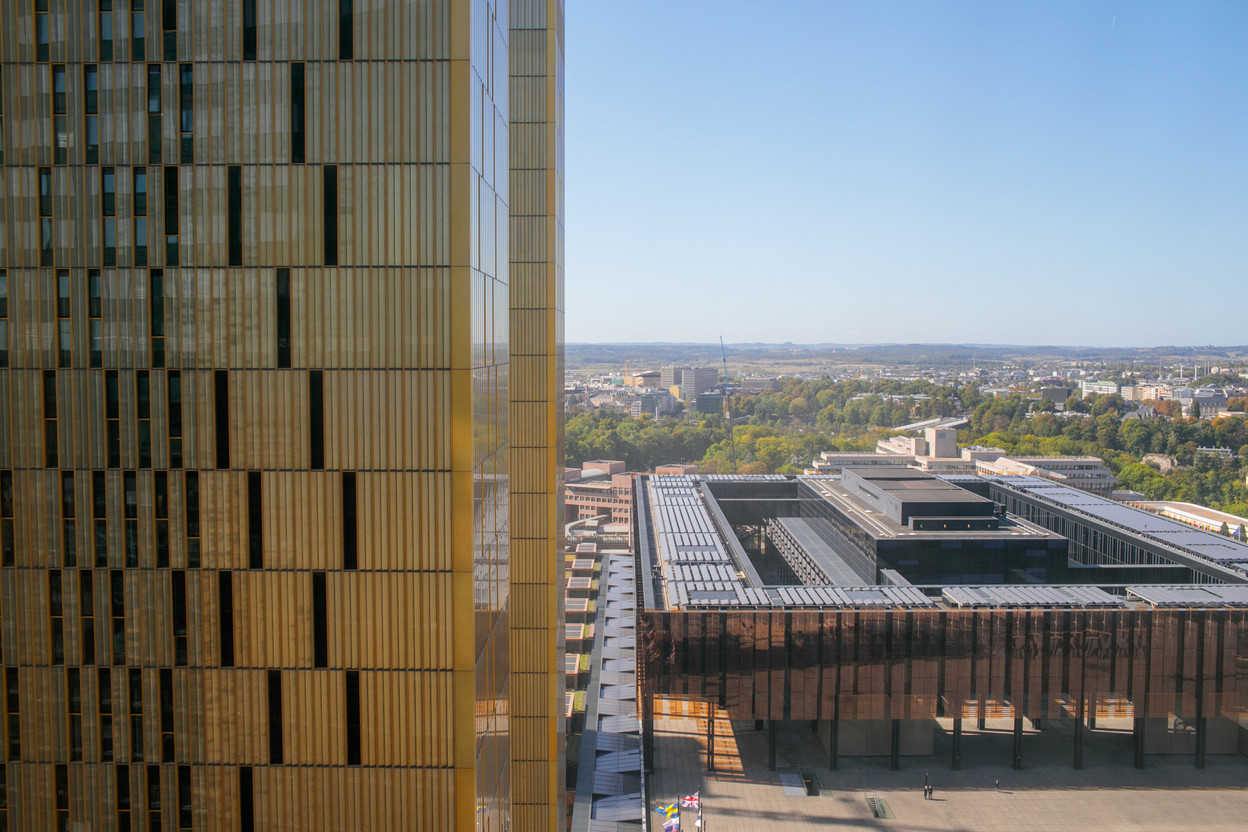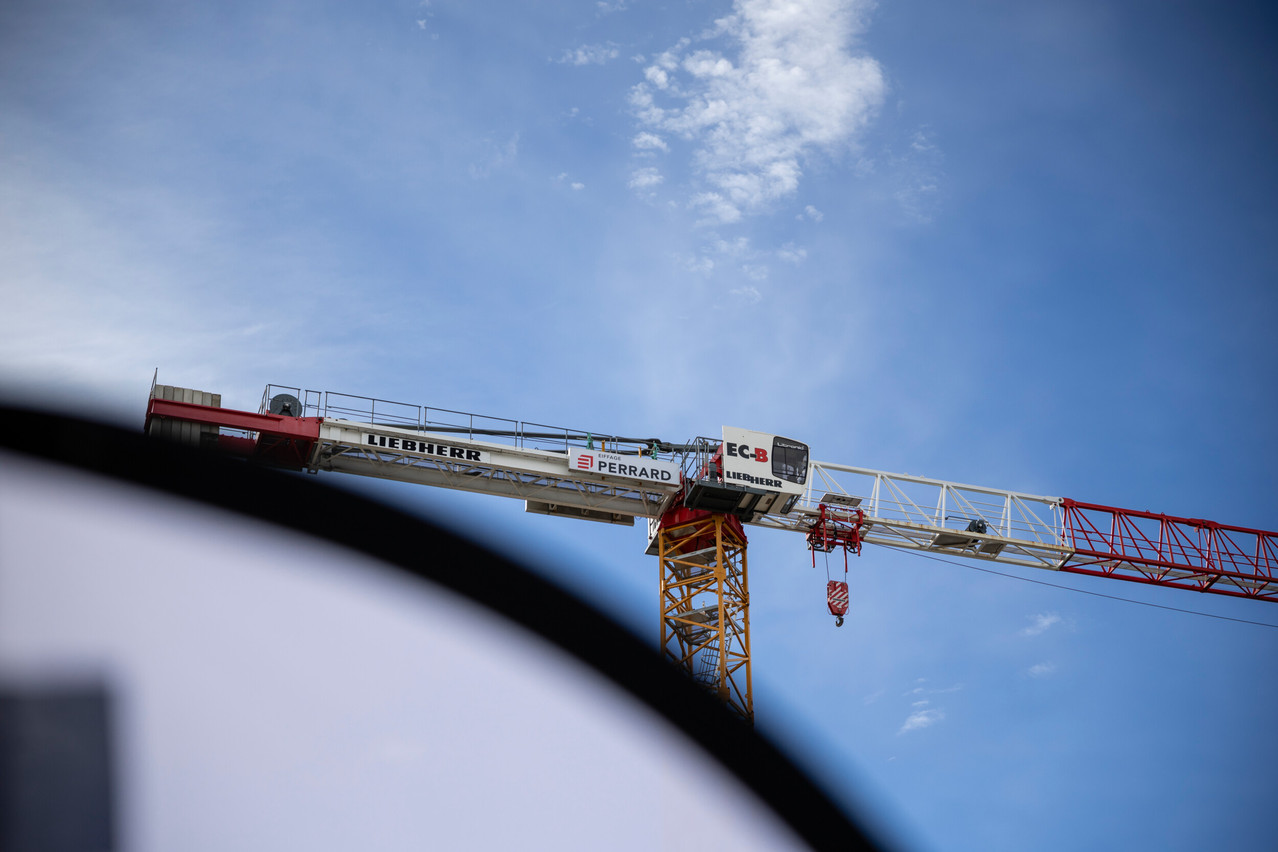
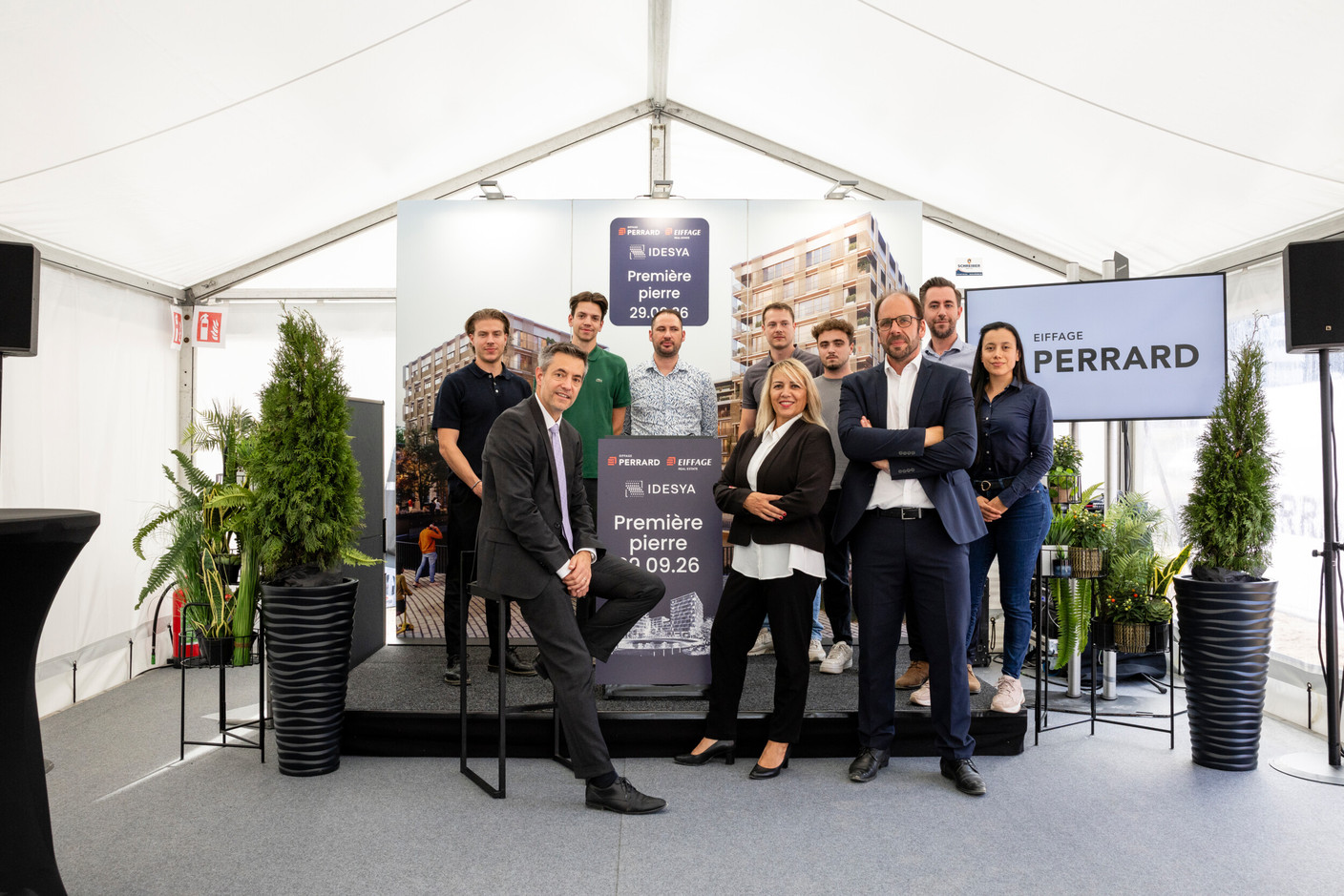
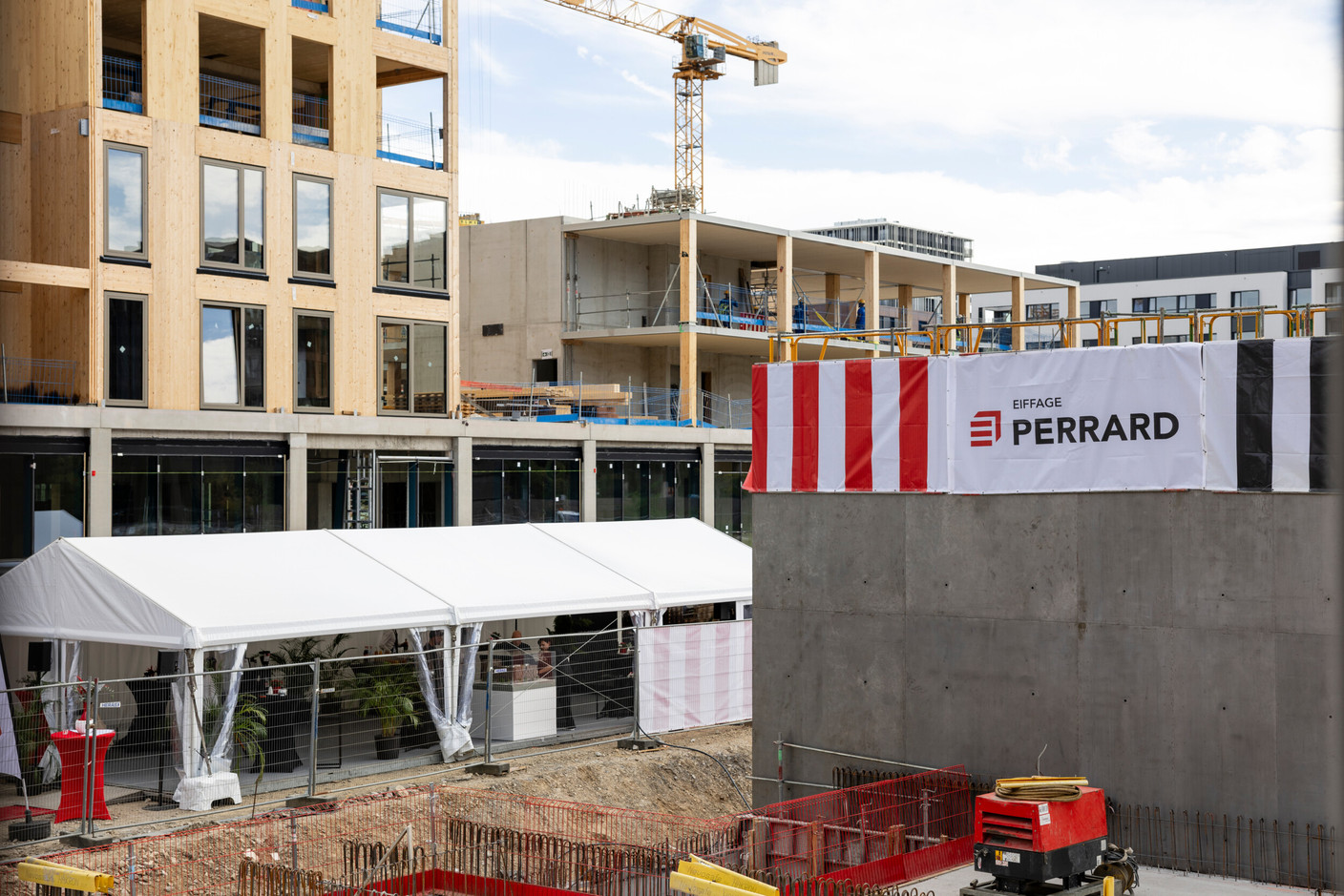
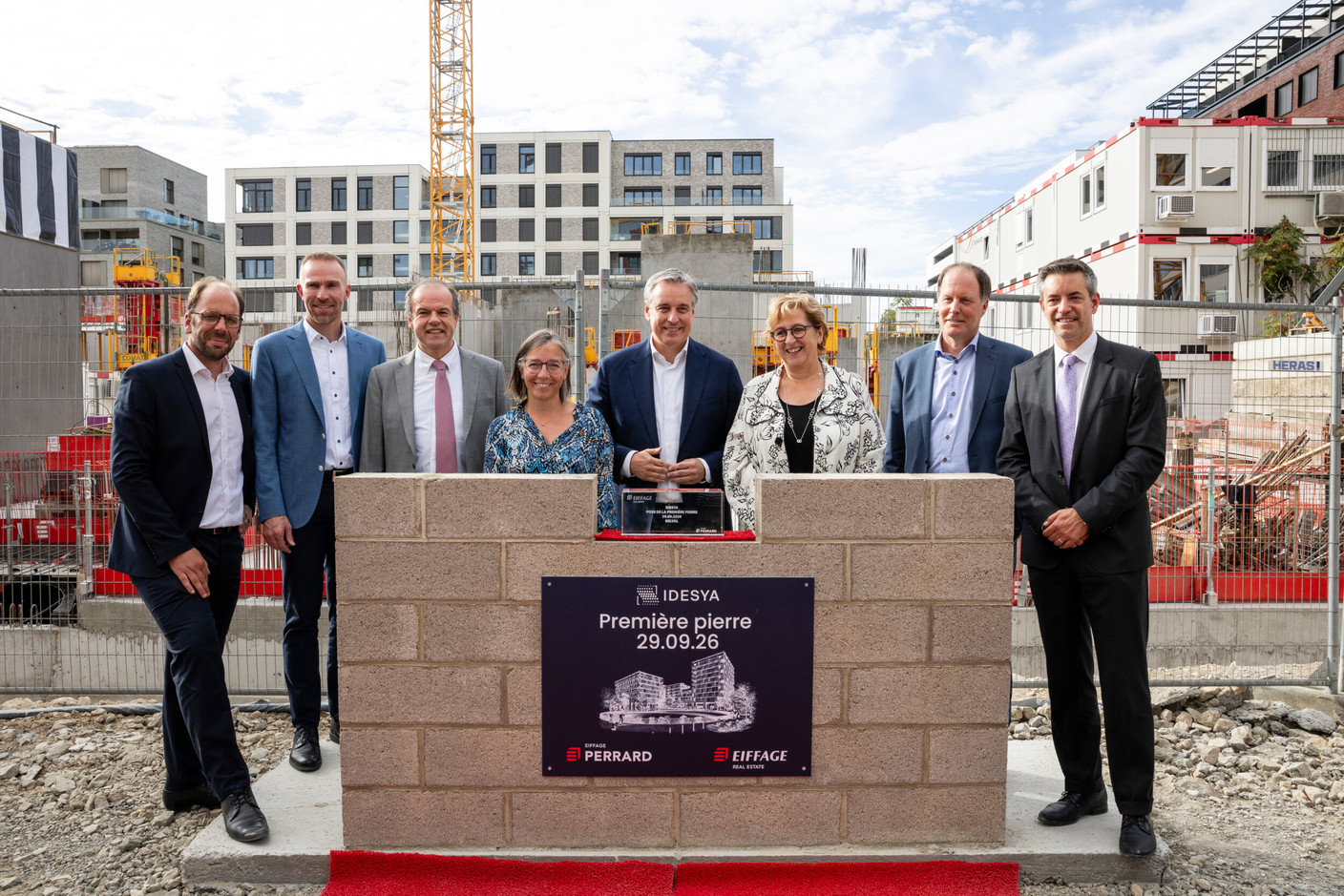
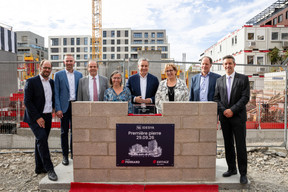
Yesterday’s ceremony marks an official milestone, even though work began in November 2025. At the Chantehaut residential development, 20% of the structural work has already been completed. In other words, Idesya has moved beyond the planning stage: the first buildings are beginning to take shape in the heart of the Square Mile neighbourhood.
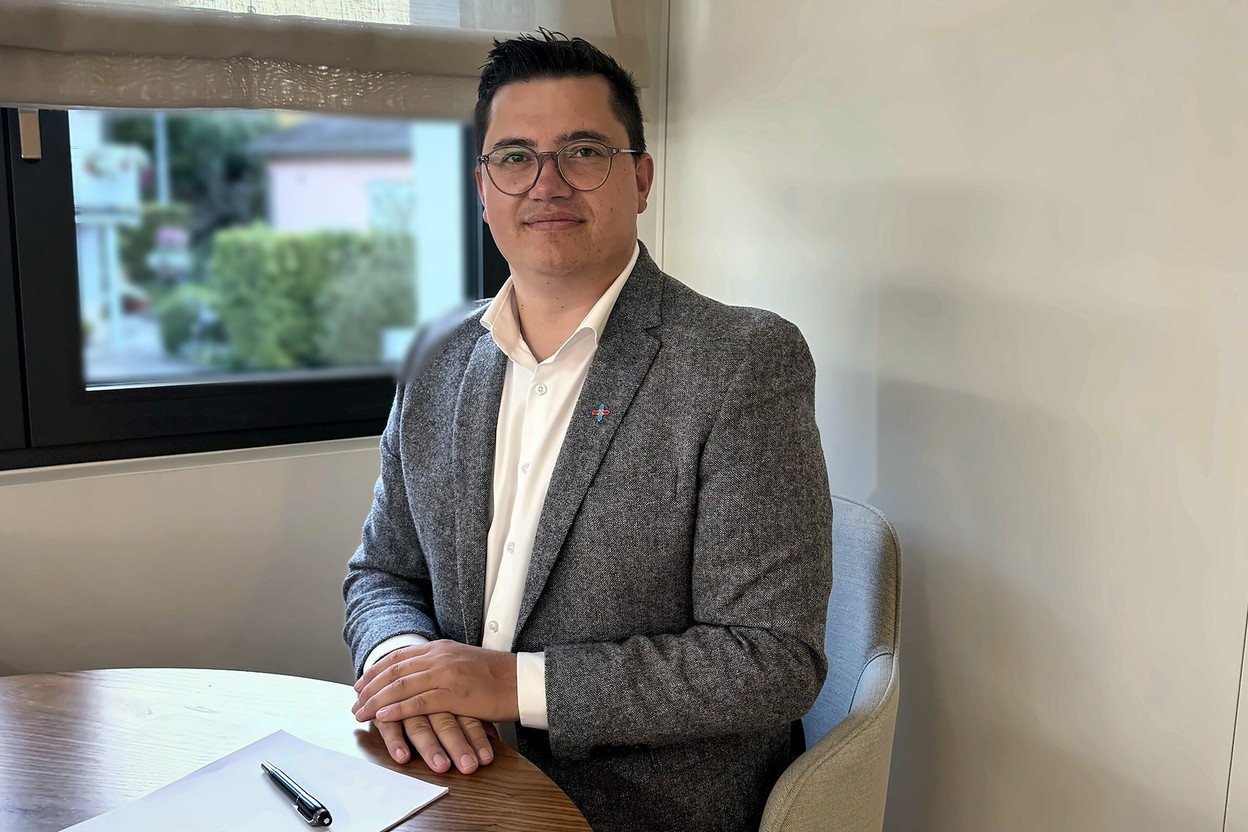
The laying of the foundation stone was announced in the presence of the minister for housing and regional planning, 

Their meeting in Belval highlights the public and private aspects of the project: Eiffage is developing the scheme, Perrard is building it, and the State is acquiring a significant proportion of the homes.
The government is acquiring 80 out of 129 flats
Idesya will comprise three residential blocks. Two of these will house the 80 flats purchased by the Luxembourg government under a ‘sale before completion’ (Vefa) scheme. The third, named Chantehaut, is being marketed under the leadership of Vevalo and Inowai.
In total, the development will comprise 129 homes, as well as retail units, office space and 154 parking spaces.
This public procurement contract gives Idesya a special role in the regeneration of Belval. On a former industrial brownfield site that is gradually being redeveloped by Agora, the project combines private residential development with housing intended for the affordable housing stock. For the State in particular, the off-plan sale (Vefa) makes it possible to integrate these flats into an existing programme, without having to shoulder the burden of their development and construction alone.
The 80 homes acquired by the Société nationale des habitations à bon marché (SNHBM) will be made available for rent at affordable rates. The general framework for affordable rental accommodation provides for income ceilings tailored to household composition, a requirement that tenants do not own any other property, and an obligation to occupy the property themselves, without subletting.
According to the SNHBM, the rent will amount to between 10 and 35% of a household’s net disposable income, and applications will be processed via the National Register of Affordable Housing (RENLA). However, the specific allocation procedures for these 80 homes and the timetable for making them available have yet to be finalised.
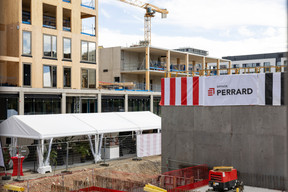
Shared spaces that stand the test of time
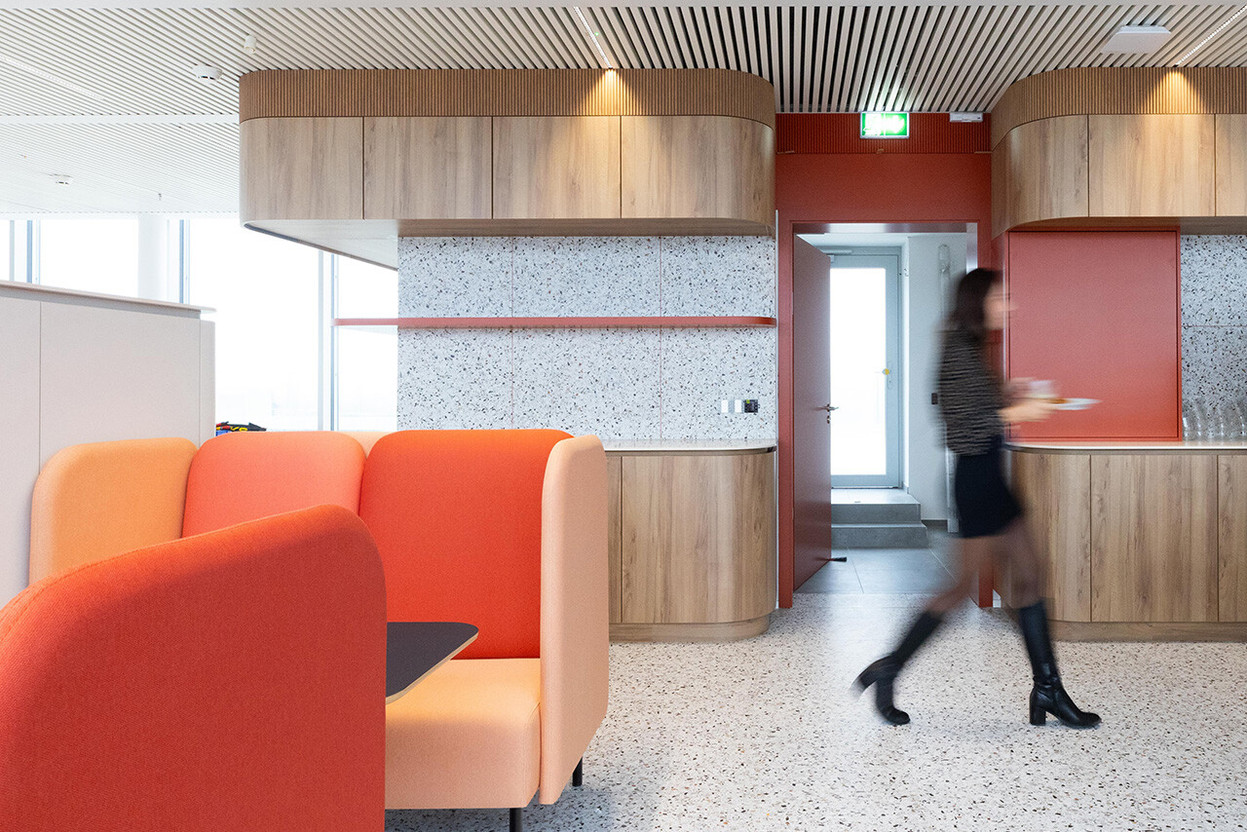
From an architectural and ergonomic perspective – designed by Dietrich Untertrifaller Architekten in Austria and the Luxembourg-based firm BFF – Idesya focuses on buildings that are open to natural light. The flats will feature continuous balconies or private loggias. Hanging gardens, a reception area and a guest apartment will complete the communal spaces.
The programme also includes a community-led concierge service, designed to foster good neighbourly relations. The idea looks promising on paper; its value will depend on how it works in practice, the cost to residents and the extent to which they actually make use of these services. It is worth remembering that shared spaces do not, on their own, create a neighbourhood community, but they can provide places for it to flourish.
From a technical perspective, Eiffage has announced green roofs, solar panels, triple-glazed windows and a connection to the Sudcal district heating network. These choices contribute to the environmental ambitions set out for the development. And this is worth emphasising, given that, just across the border, it’s a different story.
In France, another project that raises questions
Whilst the Idesya development in Luxembourg looks promising – particularly in terms of the affordable housing it will provide for Belval – this does not mean we should not scrutinise the policies of its developer, the Eiffage Group, on the other side of the border.
In Haute-Savoie, its involvement in the construction of the A412 motorway has drawn criticism due to its impact on the natural environment. The National Council for Nature Conservation has, moreover, issued an unfavourable opinion on the project, highlighting its damage to habitats and protected species.
According to the National Council for Nature Conservation, sacrificing forests, biodiversity and farmland for the sake of a marginal time saving reflects an economic mindset that is blind to the costs to the natural world. This irreversible urbanisation calls into question a certain conception of progress, which should instead be directed towards more sustainable alternatives.