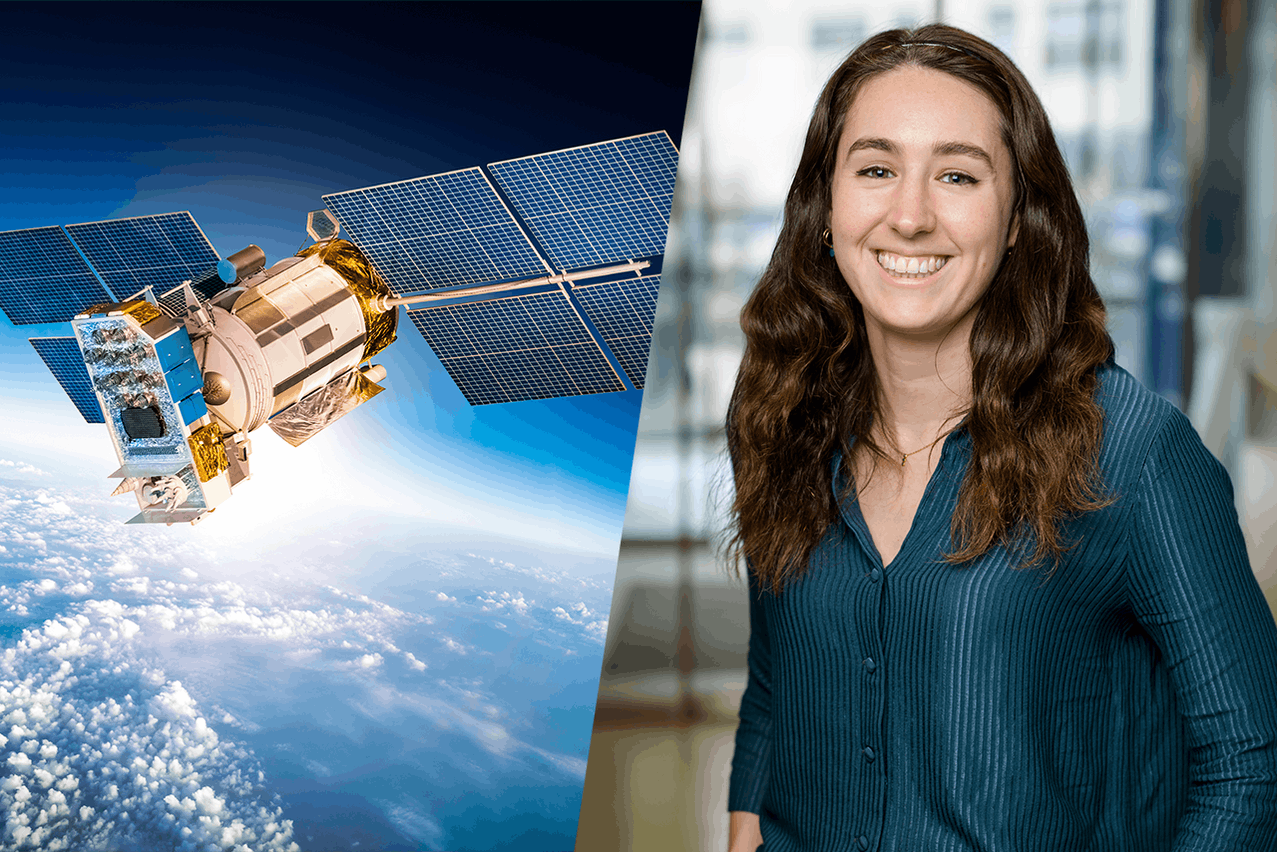
“We’ve identified AI as being a structural change to our global economy, not just for the tech sector but also for healthcare, medicine and even the insurance sector,” said Alicia Daurignac, thematic financial analyst (space, AI, robotics) at La Financière de l'Echiquier, a French asset manager. She understands that the market is projected to grow thirteenfold from 2022 to the end of the decade, with an annualised growth of 38%.
Daurignac observed that many companies prioritise AI investments to enhance services, products and operational efficiency to ultimately improve margins. Whilst concerns exist about job displacement, she claimed that the AI sector is also expected to create around 97m jobs this year.
She described the evolution of AI investment, starting with a “picks and shovels” phase focussed on graphics processing units (GPUs) and chips, reflecting the hype around Nvidia. She noted the transition towards software applications (like ChatGPT) while anticipating the next wave, which may include edge AI.
Interestingly, LFDE’s thematic fund is benchmarked against the MSCI World. Daurignac argued that it gives the portfolio manager the flexibility to “identify opportunities that may come under the radar.” No comment was made on the potentially large tracking error with the index.
Key sectors in the AI ecosystem
Daurignac explained that LFDE uses an internal framework to identify attractive AI companies, categorising them as: AI users (an example is Amazon optimising offerings with an algorithm matching client habits with the “best product for you”); AI vendors (commercialising AI as a tool against cyberattacks); AI enablers (companies such as Nvidia providing hardware to generate computational power); and AI infrastructure (the “digital factory,” including data management by firms such as Datadog).
Space was more about showcasing your technological power to your enemy, rather than making a viable business model over the long term

She thinks that their framework helps differentiate genuine AI beneficiaries from those engaging in “AI washing.” Whilst there were questions about a potential peak in AI enablers, Daurignac believes long-term structural trends still present opportunities, especially with recent valuation drops.
From technological prowess to profitability
“Space was more about showcasing your technological power to your enemy rather than making a viable business model over the long term,” said Daurignac. The Echiquier Space Fund, launched in 2021 as the first of its kind in Europe, achieved a 70% return in 2024 and entered what she called the “space 2.0 economy,” which is characterised by startups and established companies driving down costs and commercialising space offerings.
She commented that SpaceX is a prime example of the sector’s success driven by reduced rocket launch costs. “Catching down the lower part of the rocket enabled the company to more quickly get the second launch going.” She observed that the cost to send one kilogram to space has decreased significantly from $25,000 to $2,500 in recent years.
Daurignac commented that the reduction has led to a surge in satellite launches. Simultaneously, major space agencies like Nasa have seen renewed and increased budgets, reflecting geopolitical interest.
To where men have been before
Daurignac explained that the fund’s focus is not on space tourism or colonisation of the moon or other planets but rather on improving life on Earth using space assets.
Key areas include Earth observation for climate monitoring and insurance (predicting disasters), space internet (like SpaceX’s Starlink) and scientific research, such as growing organs like lungs in microgravity (Redwire).
Key sectors in the space ecosystem
LFDE’s internal framework categorises space companies as those that operate from space, between Earth and space (rocket launchers like Rocket Lab and SpaceX), and based on Earth (ground stations for satellite communications), along with enabling technologies (semiconductors and software).
Space increasingly intertwined with defence
A significant number of the investment in the space fund are related to the growing focus on security and defence. The creation of the US Space Force during Trump’s first term, signalled space as a geopolitically contested environment. It included initiatives like a space-based missile interceptor like Israel’s Iron Dome.
Europe has also recognised the strategic importance of space, particularly after Russia’s retaliation to sanctions by cutting access to Soyuz rockets, highlighting a vulnerability in satellite launches for communication, localisation, transport and GPS. Consequently, Daurignac explained that the fund has increased its positioning in European defence firms such as Airbus, Thales and BAE Systems, which possess crucial space assets and expertise.
Interestingly, the fund is classified as an article 8 fund under ESG regulations. Whilst the group excludes controversial weapons, it doesn’t apply blanket sector exclusions to defence companies, opting for governance analysis and internal ratings. “We are applying international treaties.”
Given their effectiveness on the battlefield, Daurignac told Paperjam that the fund invests in companies focusing on drones, such as Kratos, which is involved in programs testing drones to assist fighter jets. The defence exposure of the fund is around 40%, with 20% specifically in European companies.