Green logistics, sustainable transport, rethinking the public transport model, how electric is shaping change in the commercial vehicle sector: all these topics were addressed on 27 June at the first edition of a conference dedicated to the Future of Transport organised by Luxembourg Confederation, in collaboration with the economy and mobility ministries and the City of Luxembourg.
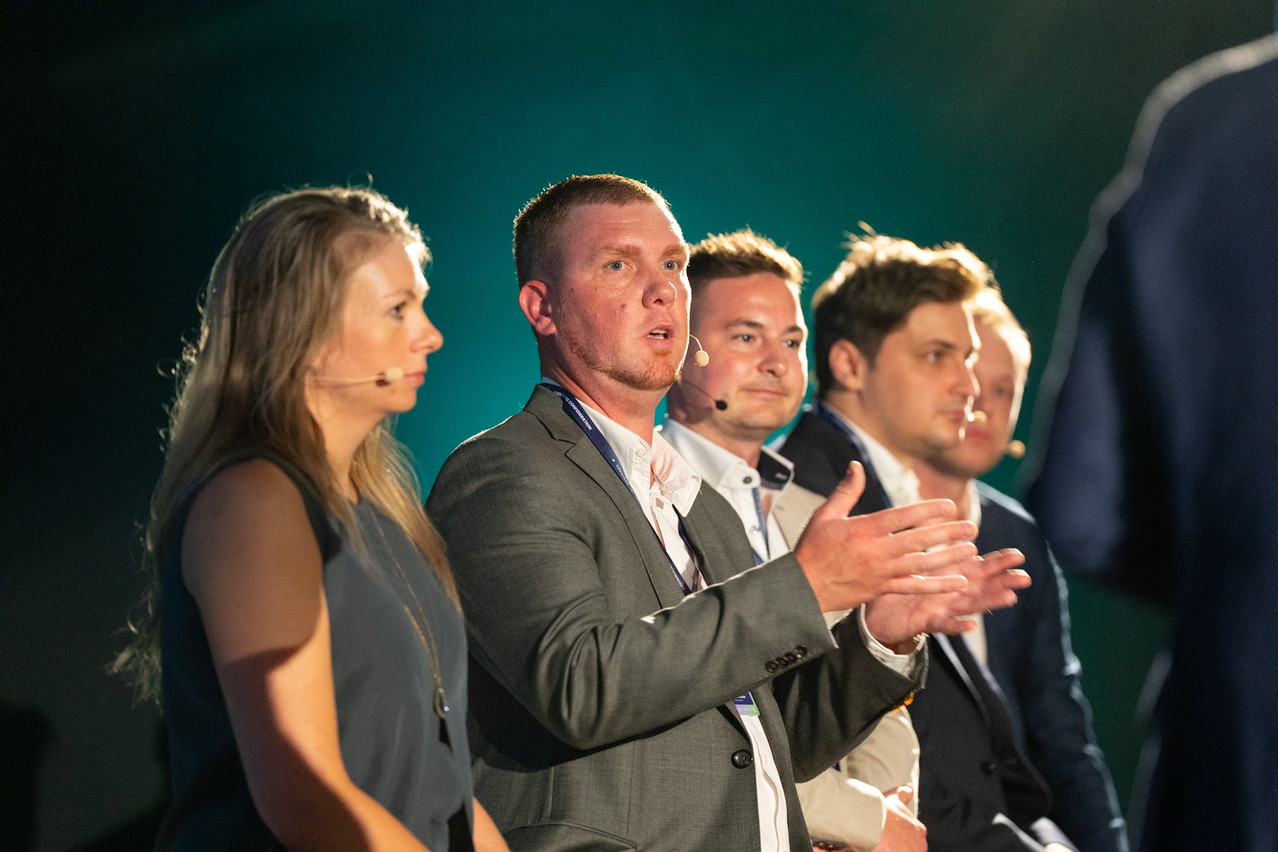
Among the conferences on the programme, one highlighted the new generations of the country’s historical operators and the new generation of the FLEAA (Fédération luxembourgeoise des exploitants d'autobus et d'autocars) around the theme: “rethinking public transport: how will the transformation towards sustainable modes of mobility take place.”

Making transport “sexy”
The same question was asked to Dominique Schandeler, managing partner of Demy Schandeler: “Free transport is good, but it’s not enough. It has to be efficient and have energy. The future of transport is, of course, to reduce CO2 emissions, but we have the impression that this rests on the shoulders of bus operators. But electric vehicles, or hydrogen vehicles--which may not be the right solution after all--cost up to three times as much as internal combustion vehicles, so there is a cost involved.”
Another issue addressed by the five FLEAA representatives was the recruitment of qualified staff. “We need both drivers and mechanics who know how to repair electric batteries, so they have to be well trained and competent. If a battery is mishandled the consequences are dramatic and here again, they have a really non-negligible cost,” said Charel Vandivinit of Voyages Vandivinit.
“The objective is very clear, we need an efficient, effective and intelligent public transport system, with four pillars: green energy; a digital infrastructure with intelligent systems to provide timetables in real time, optimise journeys, have a flexible transport system on demand and without interruption, including in rural areas; long-term planning and investment; and multimodal mobility. If we want buses to become a real alternative to the car, we're going to have to invest in sustainability. We need to make public transport sexy,” added Schandeler.
Quality before price
“Will the bus of the future have a driver?” asked Elena Trost-Le-Doeuff. “The first test of an autonomous vehicle dates back to 2008 in Luxembourg, so we were already pioneers in innovation. Safety and regulation are important, we need intelligent systems to avoid obstacles in a fully integrated system, with predictive maintenance. Everything we do has to answer this question: how can we create a good customer experience with innovation? And if free travel isn't enough, how can we make public transport irresistible to users? Let's make public transport the natural first choice. For me, free public transport is just the beginning, we need to continue along this path, we need to challenge ourselves as operators.”
One of the subjects addressed by these young transport speakers also concerned public procurement. “Innovation and sustainability are increasingly sought-after criteria in calls for tender. The decisive factor is still price, contracts are relatively variable on the market, and the trend is towards shorter and shorter contract periods. There is more and more competition, and staying competitive remains a major challenge, and there is a lot of pressure on operators. Investment amortisations need to be reduced over time, business plans depend on greater planning security, investing in bus infrastructure costs even more money, but it's essential,” said 
“Often price is still the criterion for choosing a tender, so we suggest weighting the criteria more towards quality and sustainability,” added Philippe Heinisch, also an executive attaché at Emile Weber. “The customer, or principal, thinks about reducing deadlines, pushes for lower prices, but the opposite is the result - you don't have contractual security. The fact that it's free is very good publicity, and even before that I'd say we were already cheap. But it's not just free fares that will attract more passengers, but quality too.”
This article was originally published in French.