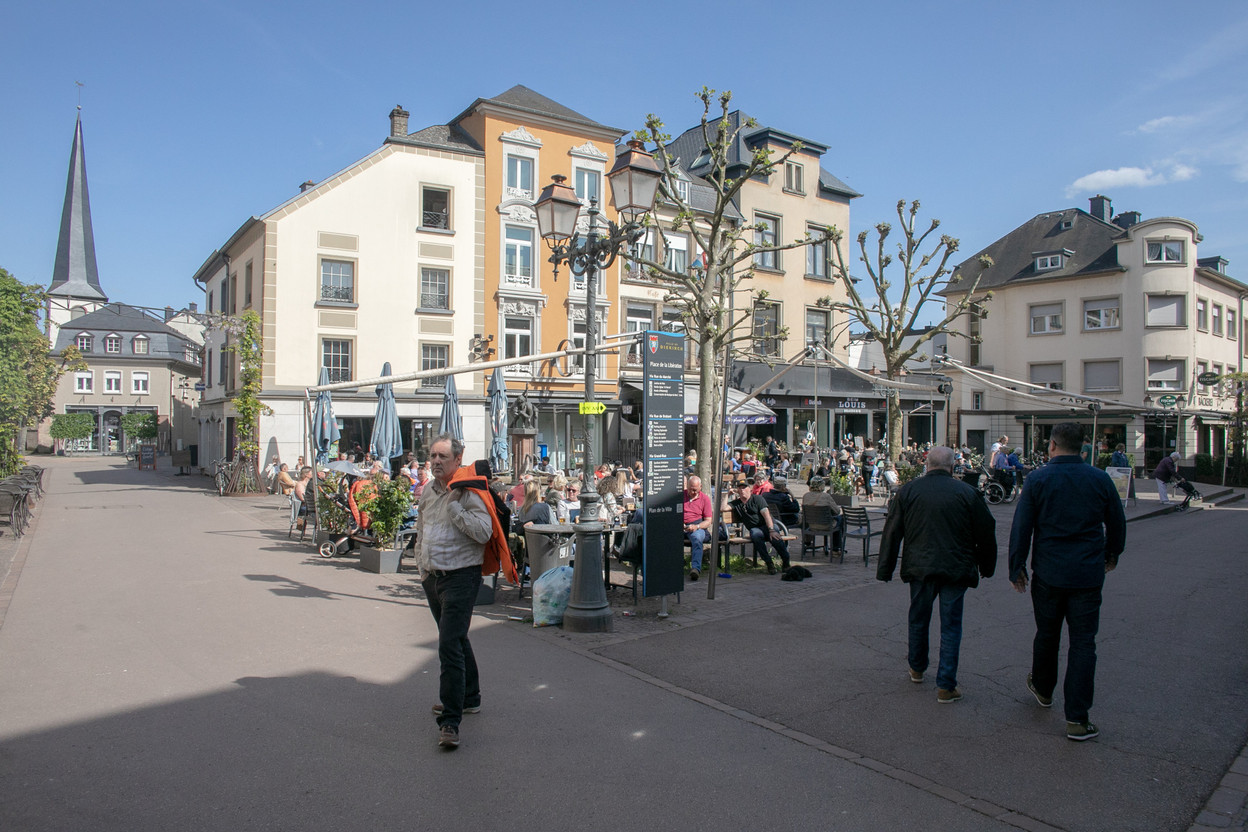
There were five at the start, now there are only four. They are the municipalities involved in the Nordstad merger project, launched in 2018. Bettendorf, initially a stakeholder, has since withdrawn from the process, leaving the other four to move forward on their own. A referendum was organised in this municipality on 23 March this year, with 741 residents voting in favour of continuing the discussions and 549 against. However, the local council had opposed the will of its fellow citizens since it had decided to stop the costs there.
Contacted by Paperjam, the mayor of Bettendorf, 
Given that the Bettendorf municipal council has decided not to continue talks with the four other municipalities involved in the future Nordstad project, and considers this matter to be closed, what are the next steps for the merger project? The municipality of Erpeldange-sur-Sûre in turn organised a referendum on Sunday 23 November, with the same question asked as in Bettendorf, namely "do you support the decision of the Erpeldange municipal council to continue exploratory talks with a view to a possible merger with the municipalities of Diekirch, Ettelbruck and Schieren?"
Third largest region in the country
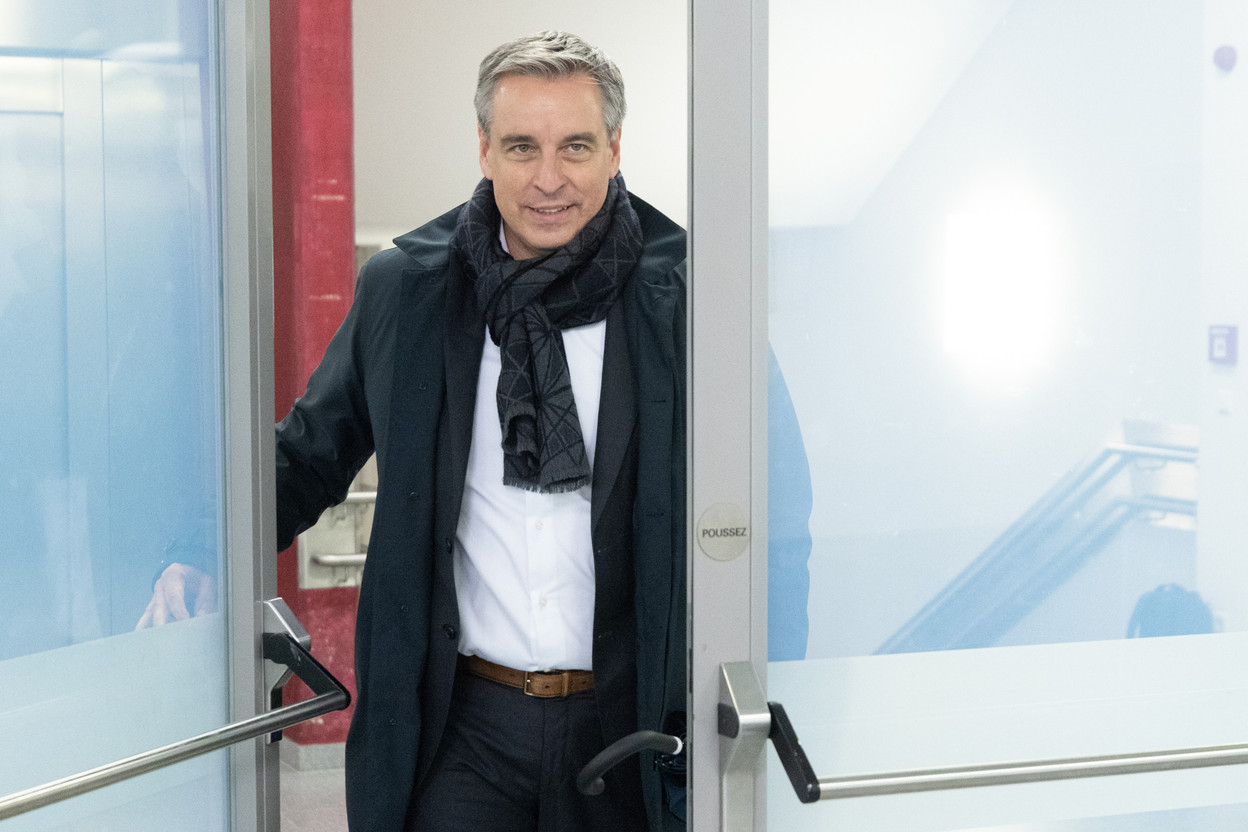
The residents of Erpeldange, Ingeldorf and Burden voted 58.88% in favour of continuing the merger talks. "I'm really pleased because it was a bit risky, I had no idea where the referendum was going to end up and 59% 'yes' is a good result. Even so, 40% of the residents were against and for me it's a warning. We'll have to work hard over the coming months to convince people of the Nordstad project," commented the mayor of Erpeldange-sur-Sûre, Claude Gleis (CSV).
"People are afraid of change, that's for sure. They're used to their little commune of Erpeldange-sur-Sûre and its 2,700 inhabitants and, if there's a merger, we'll have 22,000 inhabitants and be one of the largest communes in Luxembourg. The state wants to invest here and wants to create a third region in the country alongside Luxembourg City and the South, so we need to understand that we need to work together and that we will become a strong commune. Within the local council, we were equally for and against, and I really wanted to have the support of the population. I'm now hoping for new momentum in the process."
According to figures released by the Minister of the Interior this summer, a merger of the four communes of Diekirch, Ettelbruck, Erpeldange-sur-Sûre and Schieren would increase their total allocation to 110.4 million euros, compared with 99.5 million euros at present. Since 2025, the three municipalities recognised as centres of development and attraction (Diekirch, Ettelbruck, Erpeldange) have already benefited from a 25% bonus on their allocations.
Léon Gloden as observer
And unlike Bettendorf, the Erpeldange local council has undertaken to follow the opinion of its residents in the resolution to be passed on the Nordstad at the next local council meeting in a week's time. "In Bettendorf, it was the wind turbine project that triggered the hostility of the elected representatives towards the Nordstad project. In my opinion, it was a mistake to compare the two. The wind turbine was one thing, but Nordstad is a much more important project for the whole region", analyses Claude Gleis.
The wind turbine in question is to be built by the Nordenergie company on the Ettelbruck municipal site, not far from Burden (part of Erpeldange). "We've been working together very well for ten years now (...) within the framework of trade unions", Patrick Mergen defended himself in April. "For our generation, for me, that's enough, but for our children, our grandchildren, it won't be enough", Claude Gleis replied.
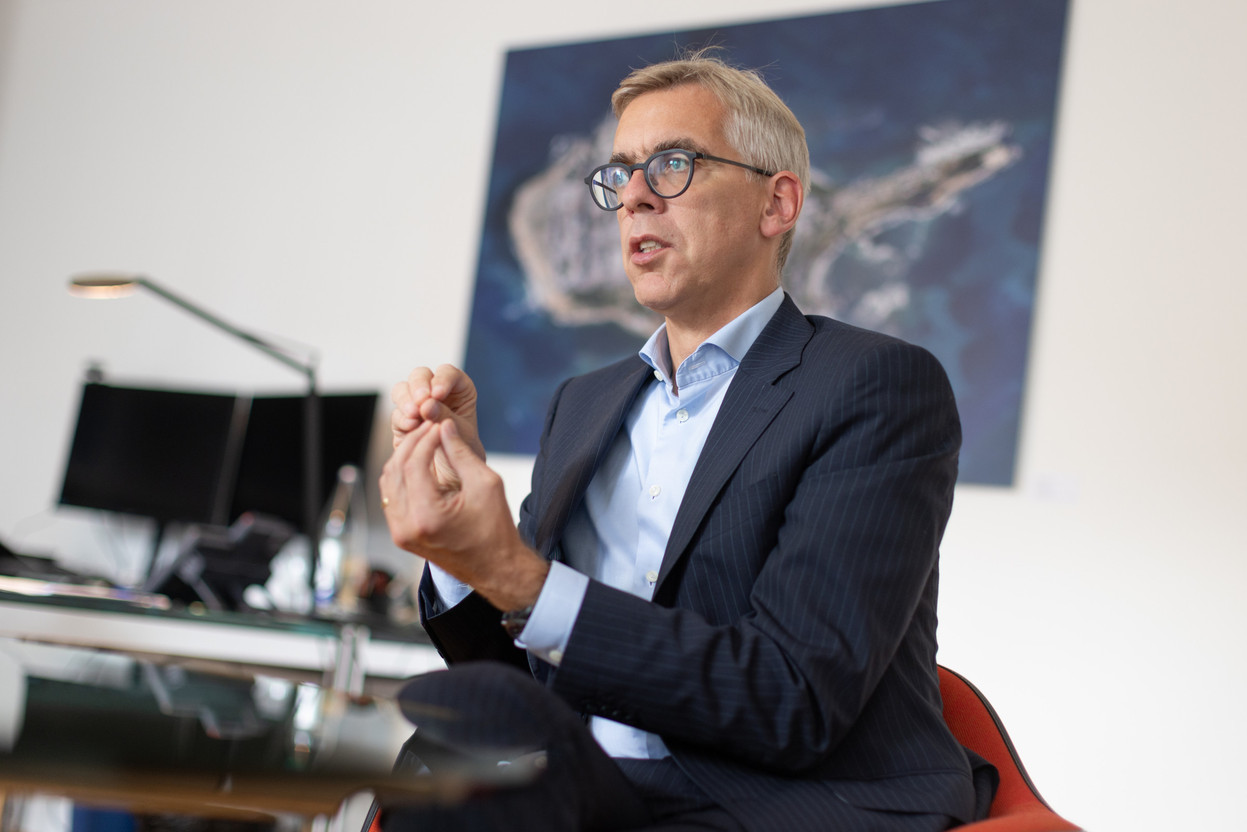
The municipalities of Diekirch, Erpeldange, Ettelbruck and Schieren therefore remain committed to the merger project to continue exploratory discussions. Welcoming the result of this Sunday's referendum, the Minister of Home Affairs, 
Either the merger project goes ahead or it does not. The fate of the project depends on the municipalities and local populations, each of which is consulted by means of referendums.

The 2023 coalition agreement does indeed specify that "these groupings are made exclusively with the consent of the citizens concerned, expressed by referendum". A meeting of the municipal councils of the four communes still involved in the merger will be held in early December and in the middle of next year there will be a deliberation on the intention to merge. If the four communes confirm that they wish to merge, then in 2027 there will be a referendum in these four communes. "The next communal elections will take place in 2029 and the aim is for Nordstad to exist by then, with a merger law that would be passed by MPs in the meantime," Claude Gleis further explains.
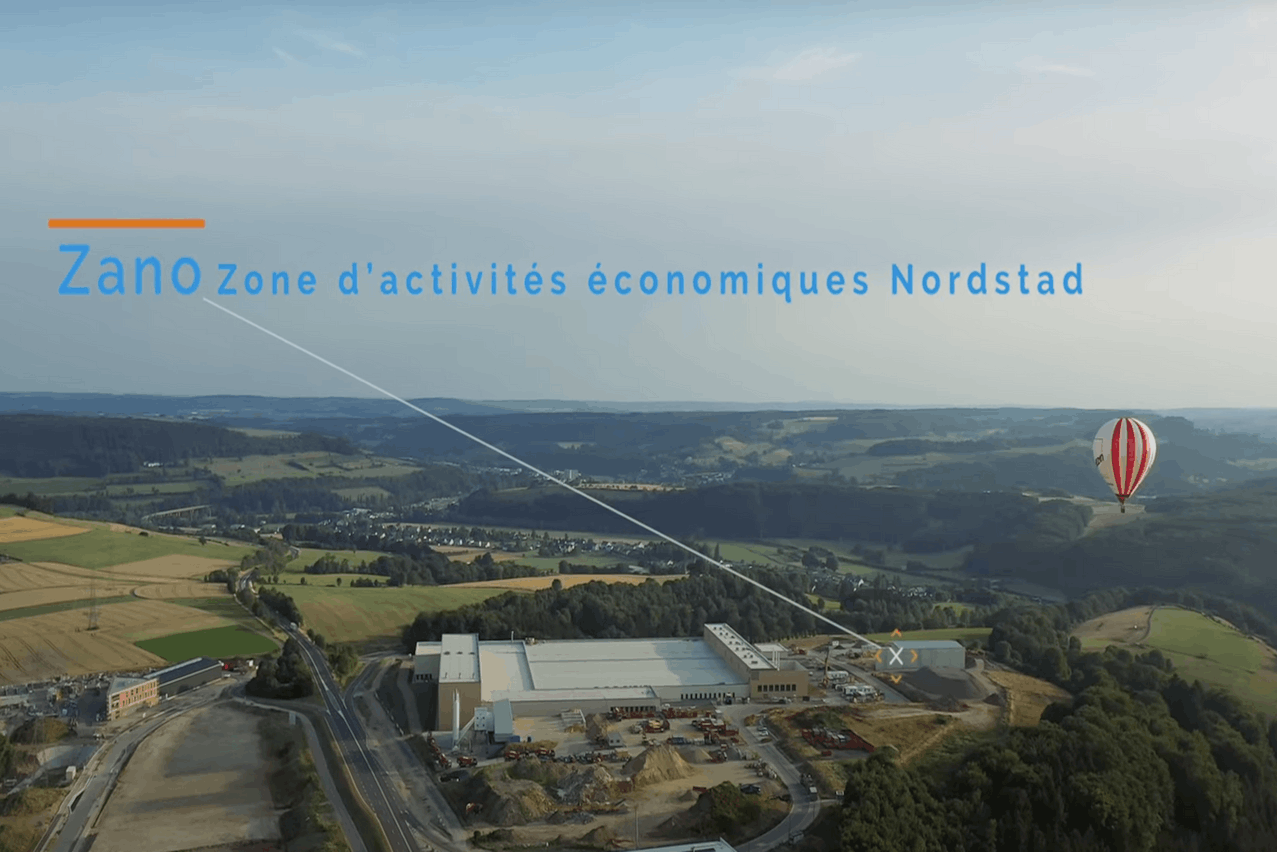
Could the Nordstad merger project be abandoned from a political point of view, but remain in place from a territorial point of view - with strategic projects continuing to develop, with a new step taken last October? "Either the merger project will go ahead, or it won't. The fate of the project depends on the communes and the local populations, who are each consulted by means of referendums. In the absence of a merger, the communes can continue their collaboration using other instruments: agreements, syndicates of communes, companies and associations, joint projects, etc.", replies the Ministry of Home Affairs.