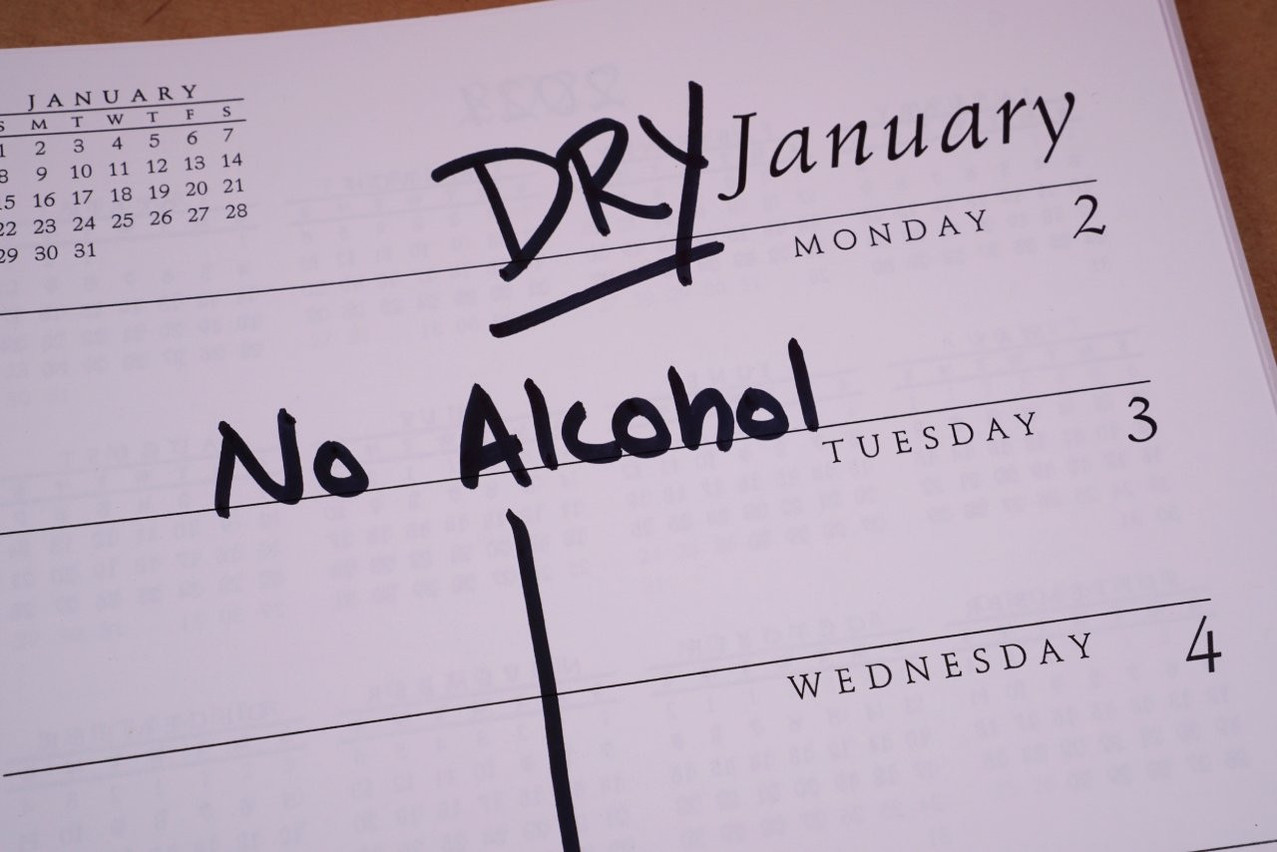
On Tuesday 16 December, the Luxembourg government announced the official launch of Dry January in Luxembourg from 1 January 2026. A first at national level. The initiative, which originated in the UK in 2013, encourages people to suspend all alcohol consumption for a month. The project is being run by a number of public bodies and associations, with the support of the French ministry of health. Participants will be able to draw on the official Try Dry application, as well as dedicated support and communication tools. In neighbouring countries, it's not necessarily like that...
France: the weight of the lobbies
In France, Dry January has existed for several years, but it does not benefit from official state support. The initiative is run by health associations, hospitals and addiction professionals, with no government campaign. Unlike "No Smoking Month". This is because of the recurring debates about the place of alcohol and wine in French culture and the French economy. The alcohol lobbies are the strongest.
Belgium: a month's difference
In Belgium, the equivalent of Dry January is called the "Mineral Tour". This campaign invites people not to drink alcohol for a month, usually in February. It enjoys clear support from the public authorities, with funding and a wide-ranging publicity campaign. The Mineral Tour is now considered an official public health prevention campaign.
Germany: a diffuse action
In Germany, Dry January is present and gaining popularity, even if it does not exist in the form of a large-scale national government campaign. The initiative is supported by health and addiction prevention organisations. The health authorities see it as an awareness-raising tool, but participation relies above all on individual commitment and associations.