Private households are responsible for 51.4% of this figure with 18.9kg of waste produced per resident per annum.
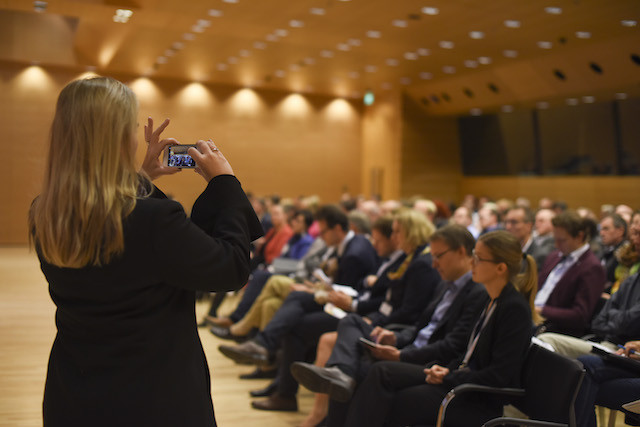
In part, sobering statistics such as these, along with the EU’s sustainable development goals to halve per capita food waste each year, prompted the Ministry of Agriculture, Viticulture and Consumer Protection to launch the campaign “Ensemble contre le gaspillage alimentaire” (Together against food waste). On 27 October the government held a conference for food professionals at the Chamber of Commerce to discuss the topic and exchange ideas and best practices.
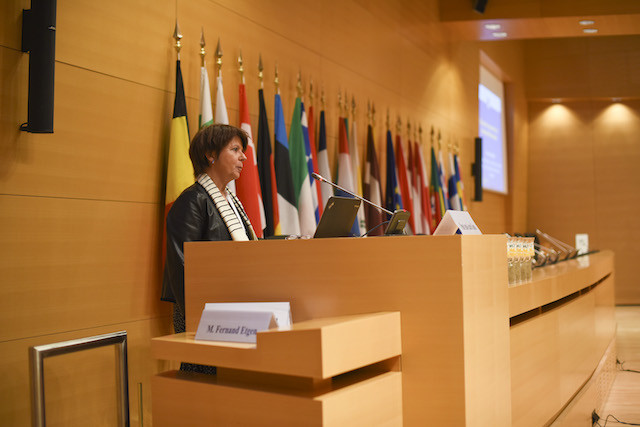
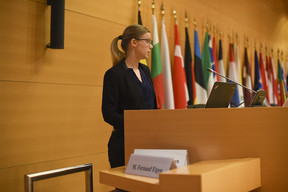
In his opening remarks, Fernand Etgen, the agriculture minister, said that today’s consumer based society has led us to the point where, “we no longer appreciate the fair values of food.”
Etgen was keen to point out that supermarkets in Luxembourg have increasingly become more aware of the issues, implementing procedures to redistribute food to those in need through collaborations with organisations such as Stëmm vun der Strooss. “A key issue”, Etgen observed, “is that, the majority of Luxembourg residents are not aware of the food waste problem.”

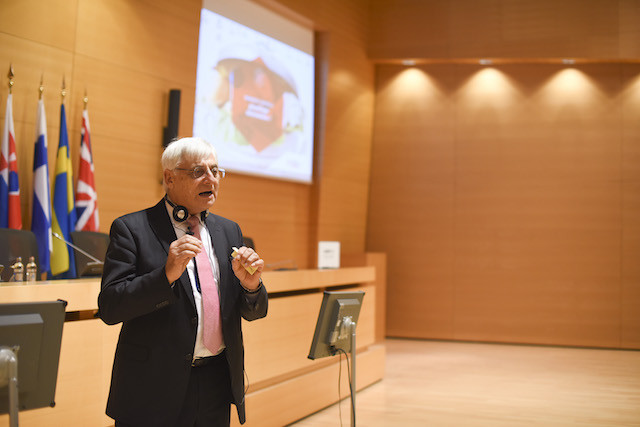
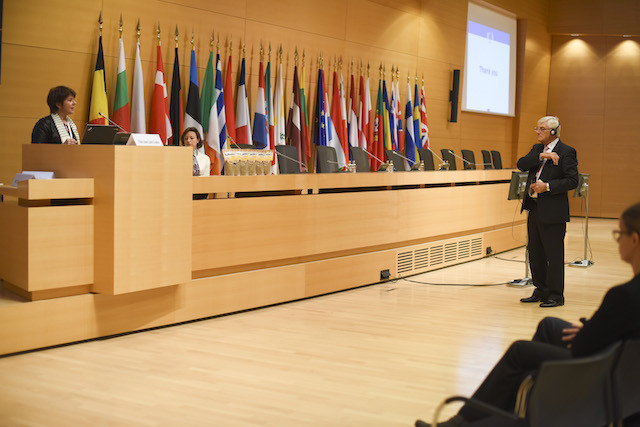
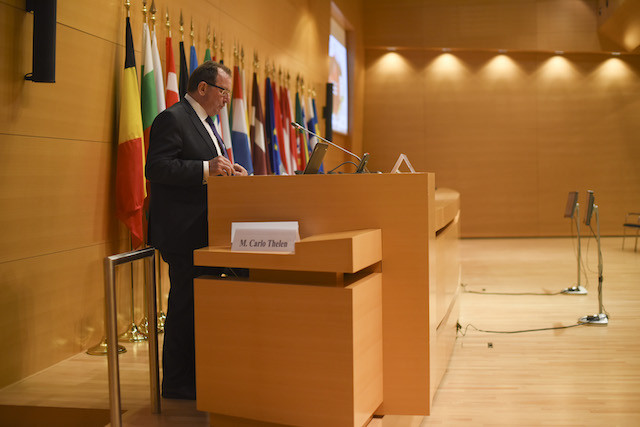
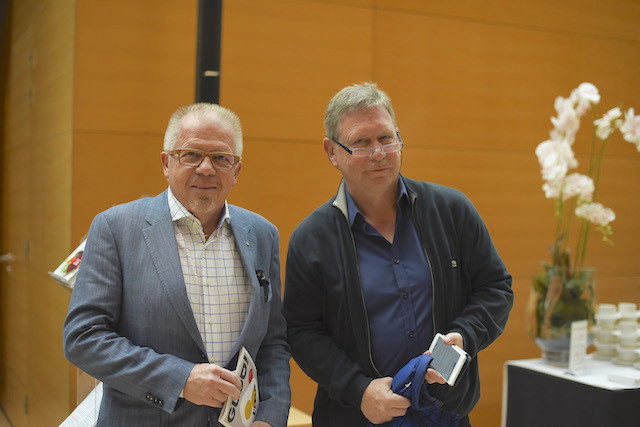
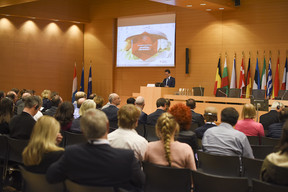
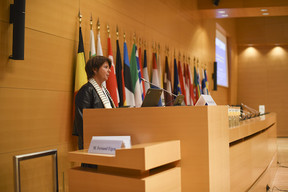
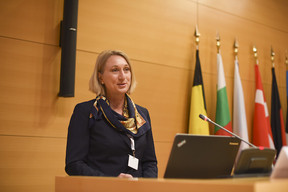
Torsten Bohn during the food waste conference organised by the agriculture ministry, held at the Chamber of Commerce in Kirchberg on 27 October 2016. Photo: Anna Katina
That is supported by the TNS Ilres survey, which showed that 56kg of food waste in Luxembourg could be avoided; 20% of which was caused solely by the misinterpretation of “best before” and “use by” dates.
The multilingual conference included presentations from a variety of stakeholders throughout Europe, with both the Flemish part of Belgium and the Netherlands highlighting the most creative initiatives. Hutten Catering, in the Netherlands, established the “Waste Factory”, in 2015, which produces the Barstensvol brand of foods from collecting food waste and making new products such as soup.

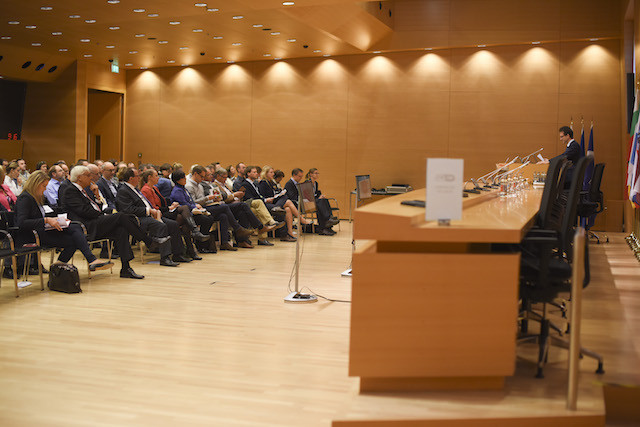
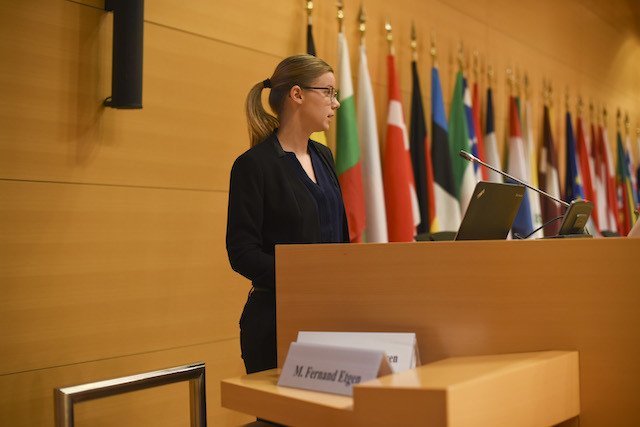
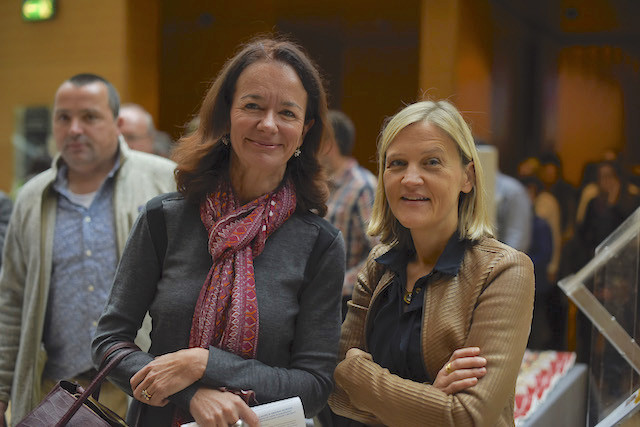
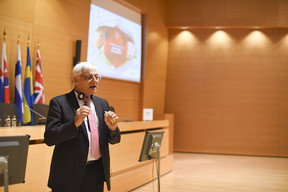
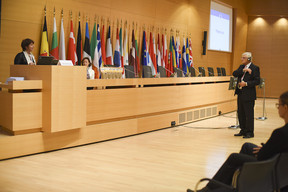
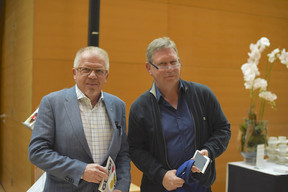
Camille Groos during the food waste conference organised by the agriculture ministry, held at the Chamber of Commerce in Kirchberg on 27 October 2016. Photo: Anna Katina
The Food Surplus Entrepreneurs Network in Belgium launched the “Food Battle”, that challenges individuals to weigh the amount of food they throw away each day and calculate the associated cost. “Our aim at FSE Network is to support new and existing food waste innovators by giving them visibility, opportunities for exchange and by facilitating collaborations,” the organisation’s Joris Depouilllon explained.
“Initiatives such as the Food Battle and the food exchange cafes in Brussels raise public awareness,” he said. “However, it is vital that such campaigns are marketed by local governments and the press in order for them to have an impact.”
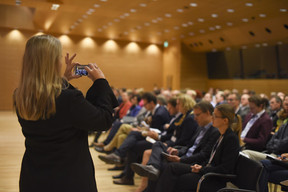
The conference undoubtedly provided an opportunity highlight to the 200 food professionals in the audience. However, restaurateurs and café owners--an important segment of the sector--were absent from the morning roundtable sessions.

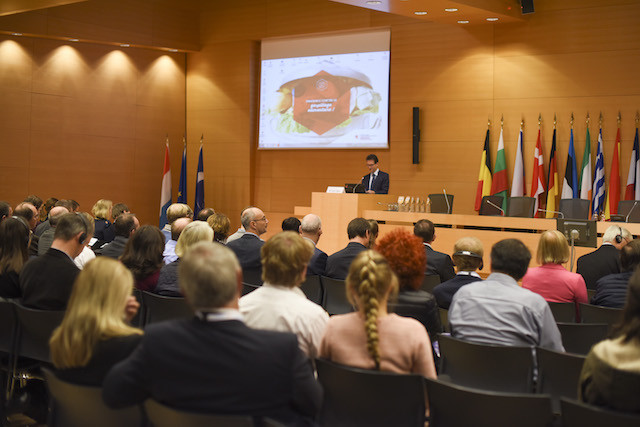
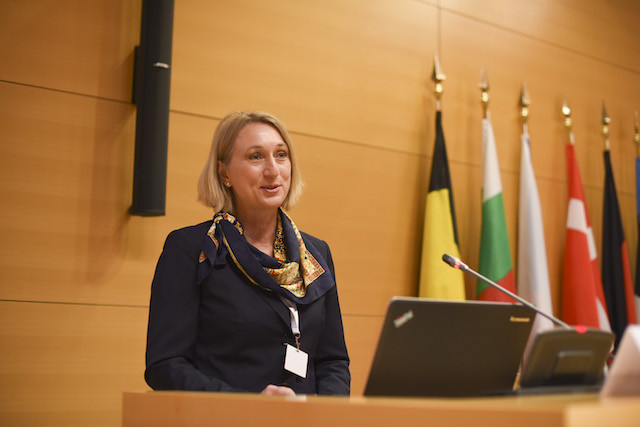
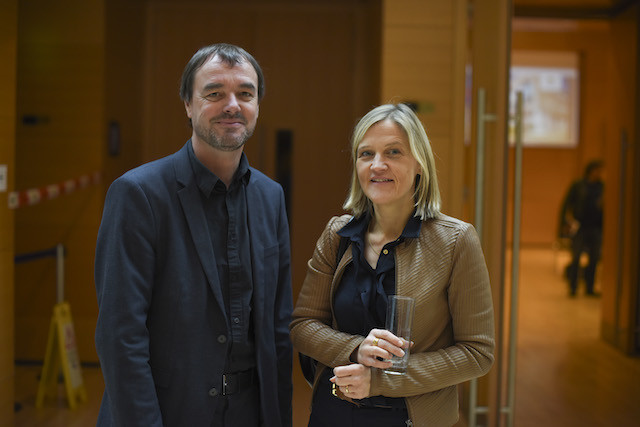
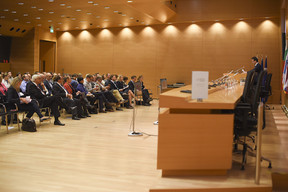
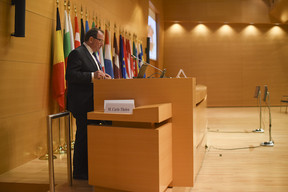
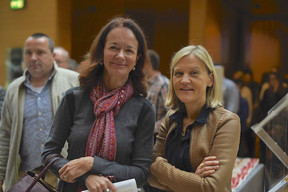
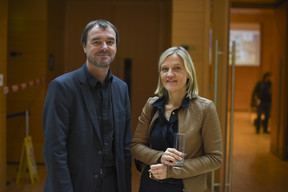
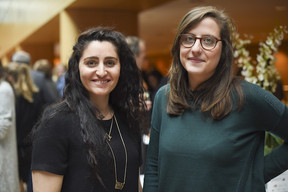
Marc Fischer and Ines Hansson during the food waste conference organised by the agriculture ministry, held at the Chamber of Commerce in Kirchberg on 27 October 2016. Photo: Anna Katina
In recent weeks, governmental ministries have distributed information, such as Gudd magazine (produced by the same company that publishes Delano), to all Luxembourg residents. The government also made labeling of household refuse bins more prominent.
It remains to be seen whether these efforts are platitudes or if the government, local authorities and communities themselves will pursue these initiatives. As Depouillon stressed: “The effectiveness of food waste campaigns is dependent on consumer buy-in and resulting actions.”