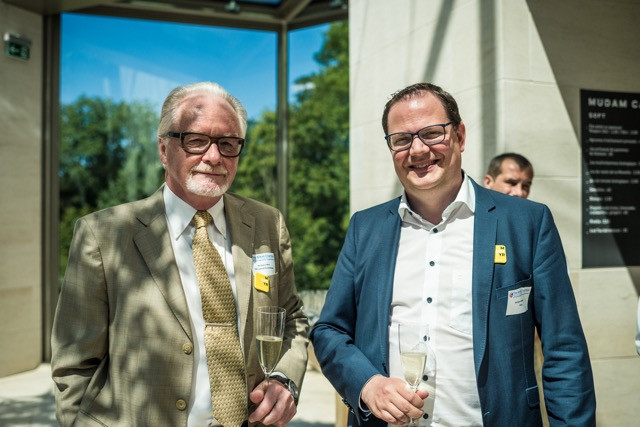
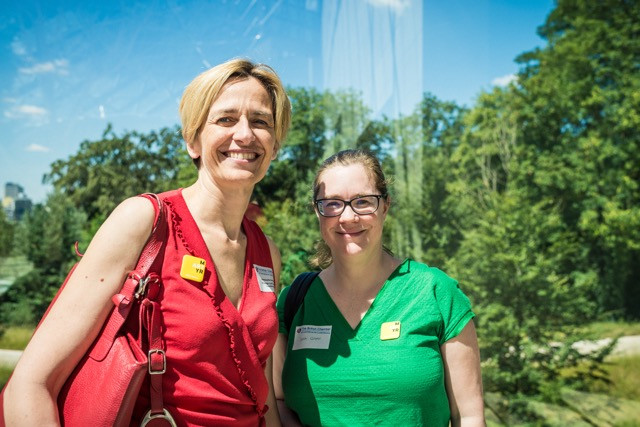
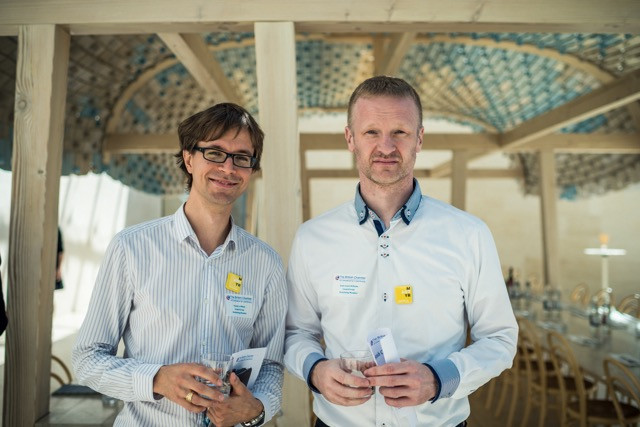
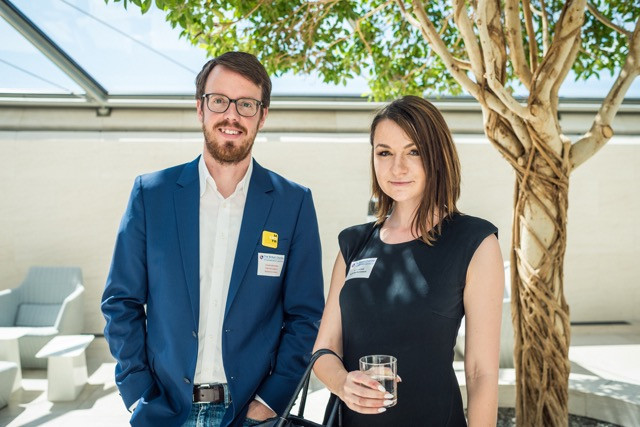
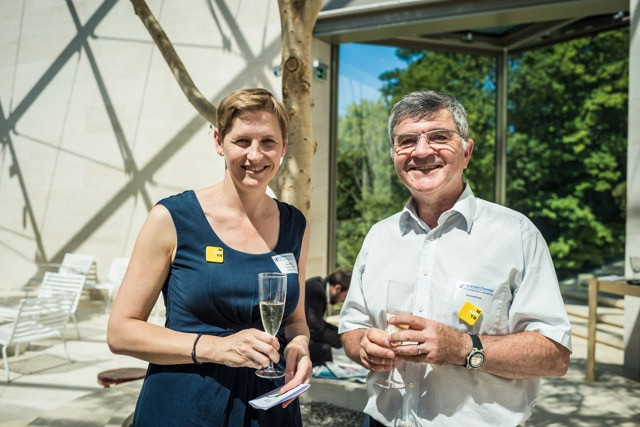
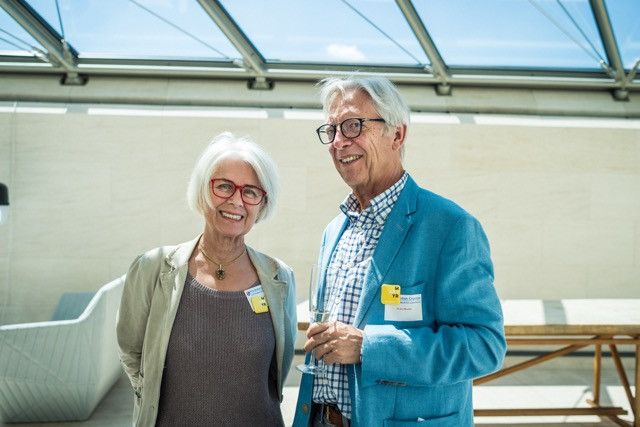
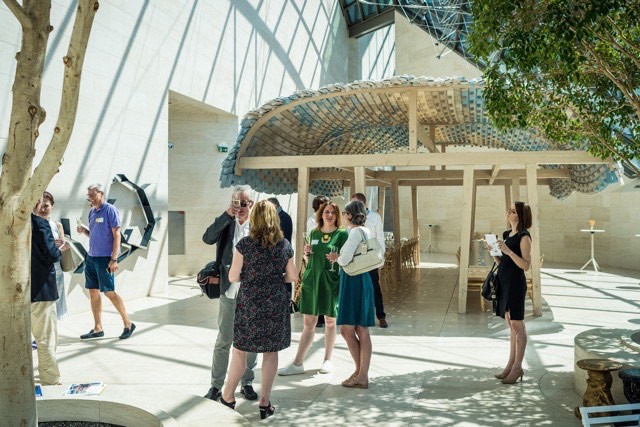
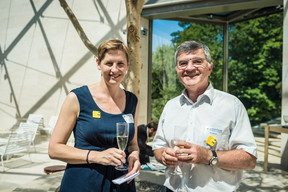
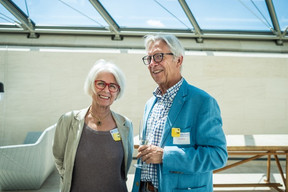
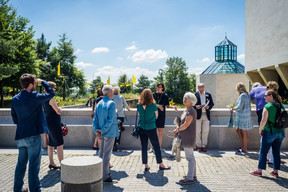
At a lunch and guided tour organised by the British Chamber of Commerce in Luxembourg, two exhibitions stood out--one that gave me goose bumps and made me sad and another that gently wiped away the stresses of the day and left me feeling completely at peace. As a business journalist, I don’t have much experience of reporting on art and emotions but let me try to explain.
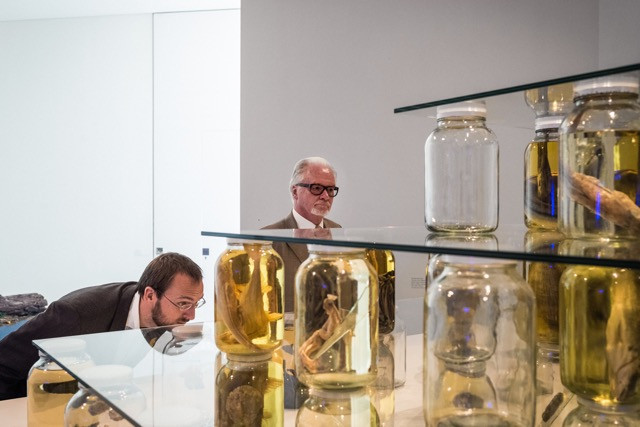
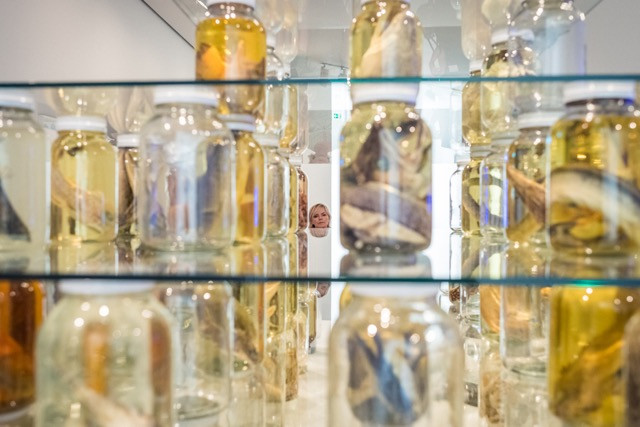
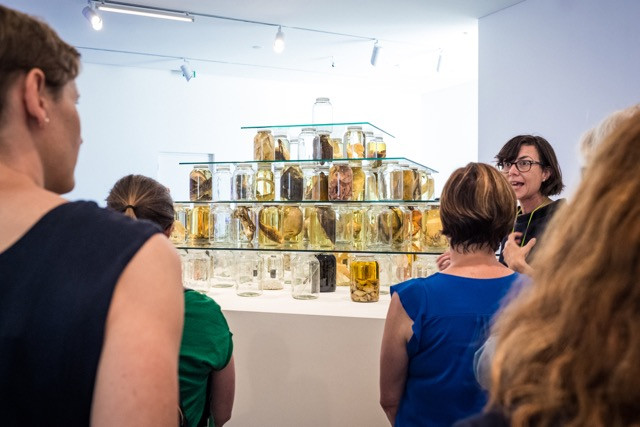
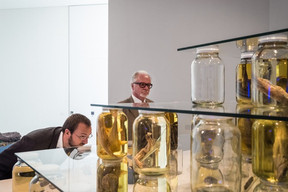
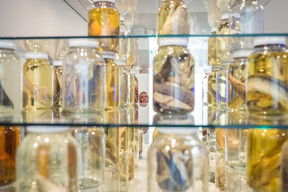
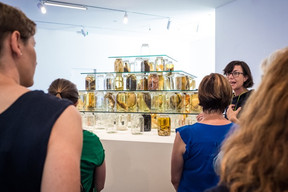
The first exhibition, entitled “No Man’s Land,” is a collection of work from 15 artists seeking to demonstrate how our presence on the planet is changing nature at the most fundamental level. They combine art with life sciences to create installations that first puzzled, then stunned. Imagine a large table topped with specimen jars, some filled with the remains of strange looking marine life, and others empty. “What?” was my first thought until I learned that each of the specimens of life on display had been irrevocably altered at a genetic level by our activities. The empty jars represent life that no longer exists and it is expected that, as time goes on, more of the jars will empty until there is very little left.
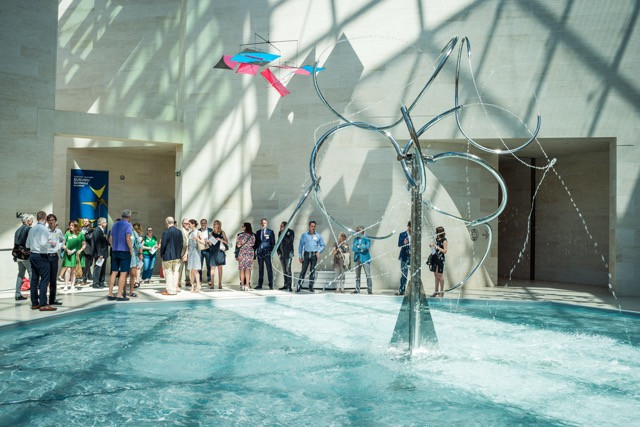
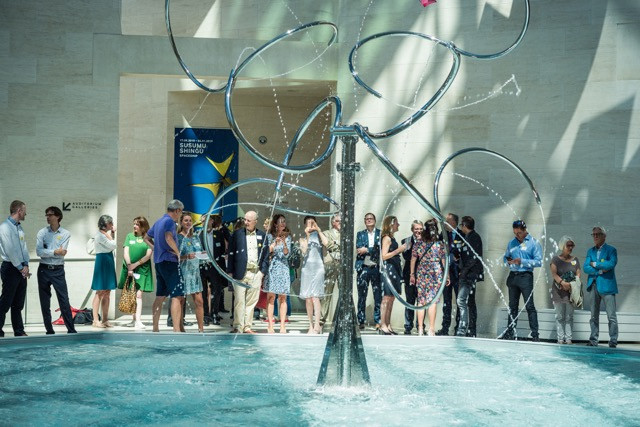
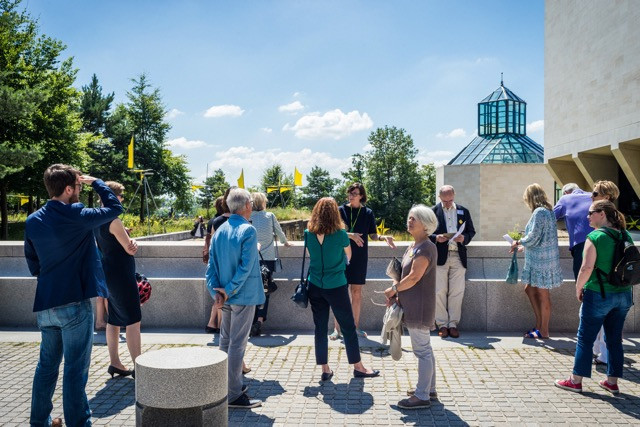
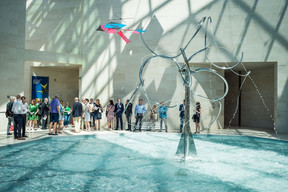
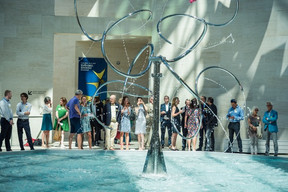
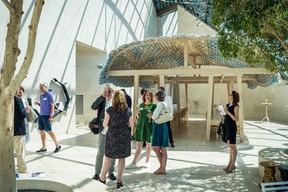
This installation by Brandon Ballengee left us feeling profoundly moved and it was a much quieter group that moved on to the exhibition by Susumu Shungu, whose ‘Wind Caravan’ in the Park Dräi Eechelen, and ‘Water Tree’ in the main hall of the Mudam museum, soothed and calmed. They take the natural forces of wind and water to gently create a real feeling of zen. The Wind Caravan gently moves almost in all directions at once and the Water Tree combines metal and water to hypnotise to such an extent that it is impossible to see where one ends and the other begins.
Thoroughly unqualified to talk about art, I hope this brief article has at least encouraged you to take a look for yourself. If, like me, you were a bit cynical about modern art before, you may be in for a very pleasant surprise.