The Humanitarian Intervention Team (or “Hit” for short) was initially established by the Ministry of the Interior and the Ministry of Foreign Affairs in response to the EU member states’ decision to reinforce their civil protection capacities to deal with global crises. In June 2004, a change in the law established Hit as a permanent part of Luxembourg’s civil protection division.
Hit is made up of a group of 100 volunteers who are able to respond, at short notice, to requests for humanitarian intervention from the United Nations and other emergency organisations. Their primary mission is to set up satellite communications in areas which have been hit by natural disasters, such as the Haiti hurricane in 2016 and the Nepal earthquake in 2015.
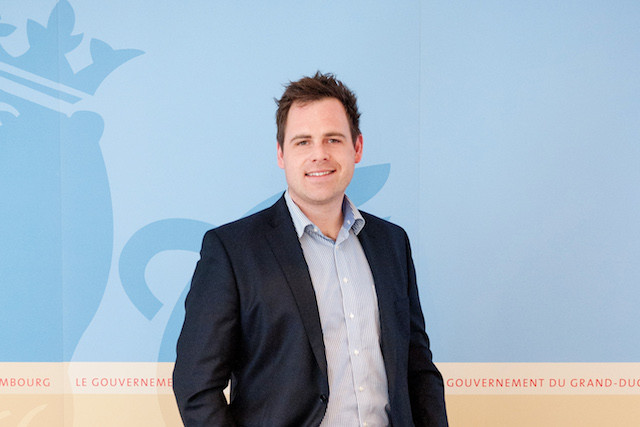
“Hit has three main functions,” explains Bram Krieps, its deputy head and an active volunteer. “We provide satellite communication installations with the support of our local partners, SES, Hitec and Luxembourg Air Rescue. We have a dedicated flood rescue team and a humanitarian support team who are able to build camps, at short notice, for field workers such as the UN and Croix-Rouge.”
The team’s unique advantage is their partnership with Luxembourg communication firms SES and Hitec, who provide cutting-edge satellite and antenna systems. “When the hurricane hit Haiti, we were able to go on site and install satellite communications to Luxembourg,” says Krieps, a civil servant. “Other partners, such as Ericsson, etc., were then able to distribute these networks to ensure vital communications were reinstalled.”
Bram previously served in the Luxembourg army and as a local fire chief before joining the Hit team as a volunteer 12 years ago. “Many of Hit’s volunteers serve in the army, government agencies or other rescue services,” he clarifies. “This isn’t because other people are not welcome; on the contrary. However, it is vital that volunteers can take time off work, sometimes at short notice, [and] not all employers are flexible on this point.”
Depending on the severity of the crisis, volunteers can be required to be on site for between one and three weeks at a time. “Normally we deploy two people, but exceptionally six volunteers can be sent if it is a major crisis.”
In 2015, Hit recruited 25 additional volunteers, but they are always interested in skilled applicants. “We do not have such a large pool of people in Luxembourg to choose from,” he notes. “We are always looking for mechanics and electricians with a high level of English, but that is not always easy to find.”
“From a humanitarian viewpoint, it can be difficult for newcomers when they join the team,” adds Krieps. “We are often deployed in situations which can be very distressing. As human beings, we want to help everybody but it is crucial to remember the job we are there to do. Hit’s purpose is not direct humanitarian action, but to install the framework for that action to happen. It’s an essential role that we play.”
This article was first published in the May 2017 issue of Delano magazine. Be the first to read Delano articles on paper before they’re posted online, plus read exclusive features and interviews that only appear in the print edition, by subscribing online.