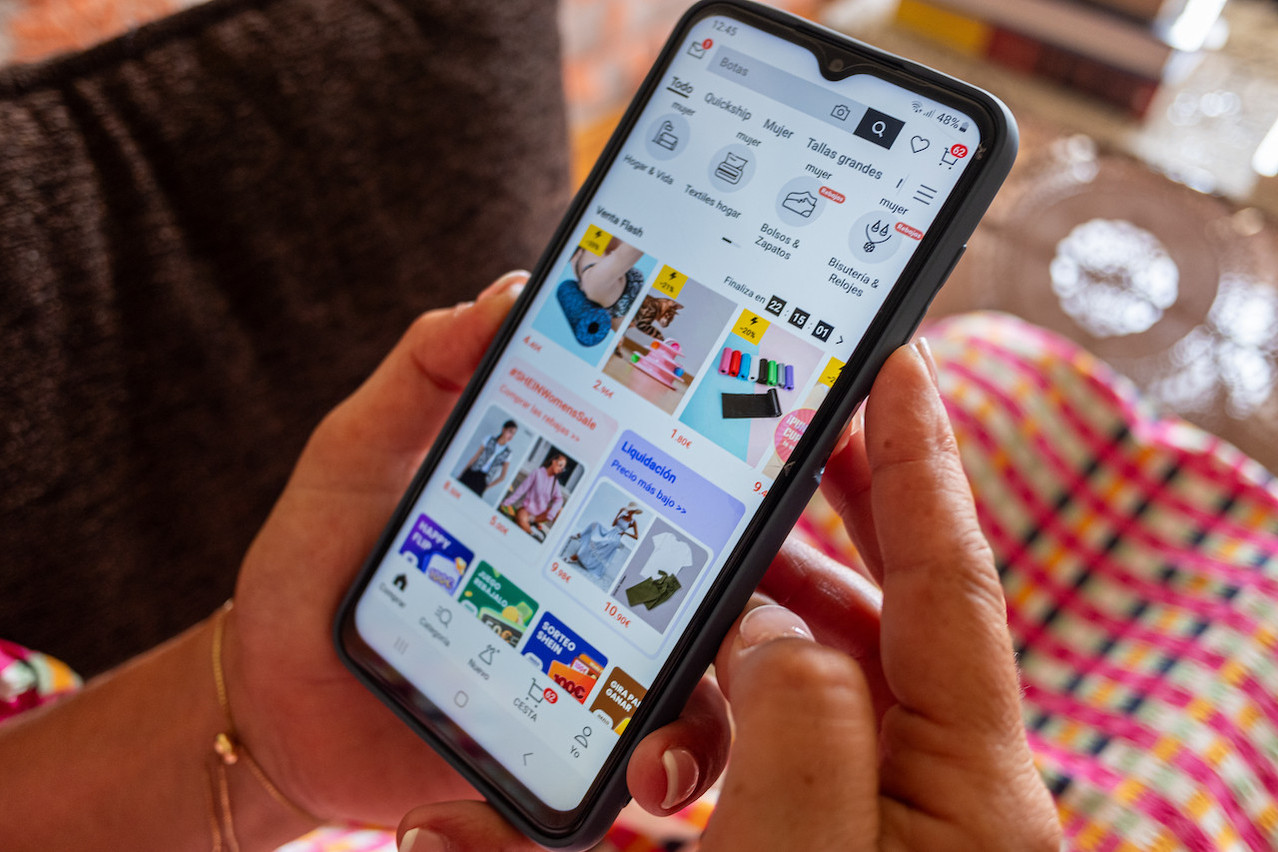
Shein is constantly nibbling away at market share based on its strategy of very low costs, which consumers have no qualms about adopting. Between 2,000 and 10,000 new items go on sale every day on its site.
“Every day, hundreds of parcels arrive, mainly from China, with goods that do not correspond to the rules of the EU market,” declared Sven Giegold, Germany’s deputy minister for economic affairs, in Brussels at the end of September, with the support of five other member states (France, Austria, Denmark, the Netherlands and Poland). He pointed out that “a significant proportion of these product”" did not comply with intellectual property rules, data protection regulations or environmental standards, citing test data and demanding that the European Commission launch an investigation.
In an email on Friday, as European sanctions loom, the Chinese company’s European lobbyists explained that the company “conducted more than two million product safety tests in 2024, reinforcing its ongoing commitment to ensuring high standards of product quality and consumer safety. The tests were carried out in collaboration with leading third-party testing agencies, such as Intertek, SGS, Bureau Veritas (BV) and TÜV, as well as in a CNAS-accredited laboratory.” And that it should spend 15 million dollars this year to continue these tests.
Shein also details its strategy, which consists of setting up a code of conduct that includes controls and standards, as well as a list of banned substances, a documentation and certification process for products such as electronics, children’s toys, cosmetics and medical devices. It also ensures that it carries out dynamic evaluations of its sellers, who will have their products withdrawn from sale or even excluded if they do not comply with the rules of the game. Last year, 260 sellers were reportedly excluded.
“Providing our customers with a worry-free shopping experience is a top priority at Shein,” said Shein’s EMEA president and global head of public affairs, Leonard Lin. “From design to delivery, we all work to protect our customers every step of the way. We have continued to strengthen our rigorous testing efforts, working with some of the world’s best testing agencies, to ensure our products meet the highest standards, and we continue to invest in improving our approach.”
A report published at the January session of the European Parliament in Strasbourg hints at the first sanctions to come or new taxes. “As regards product safety,” it states, “the [European] Commission works upstream with third countries to try to make sure that only compliant products reach the EU market. This work is done both bilaterally, with countries such as China and the US, and within multilateral forums, such as the Organisation for Economic Cooperation and Development (OECD). Such efforts are in contrast to both legislation itself and the enforcement of legislation as a means of achieving the EU’s objectives.”
Other highlights for the Chinese company include the appointment of Mustan Lalani as global head of sustainability, reinforcing its commitment to promoting responsible business practices throughout its supply chain. Lalani will lead Shein’s efforts to address industry-wide challenges through innovation and technology, as part of the evoluShein roadmap, Shein’s global strategy to address social and environmental issues.
This article was originally published in French.