(Article updated on December 3, 2025, following the submission of an urgent parliamentary question by Liz Braz, discussed at the end of the article.)
After a ping-pong of parliamentary questions and answers - five in total since March* - with the Sports Minister, 

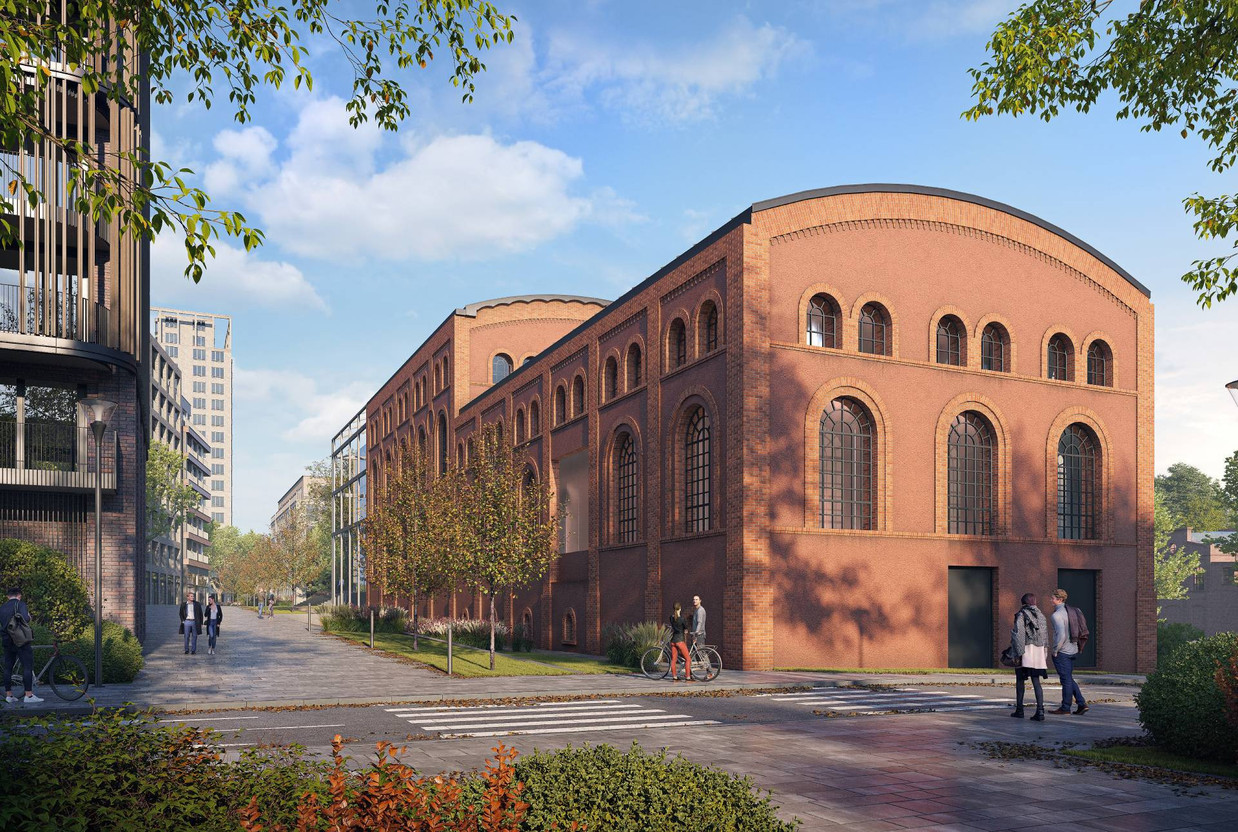
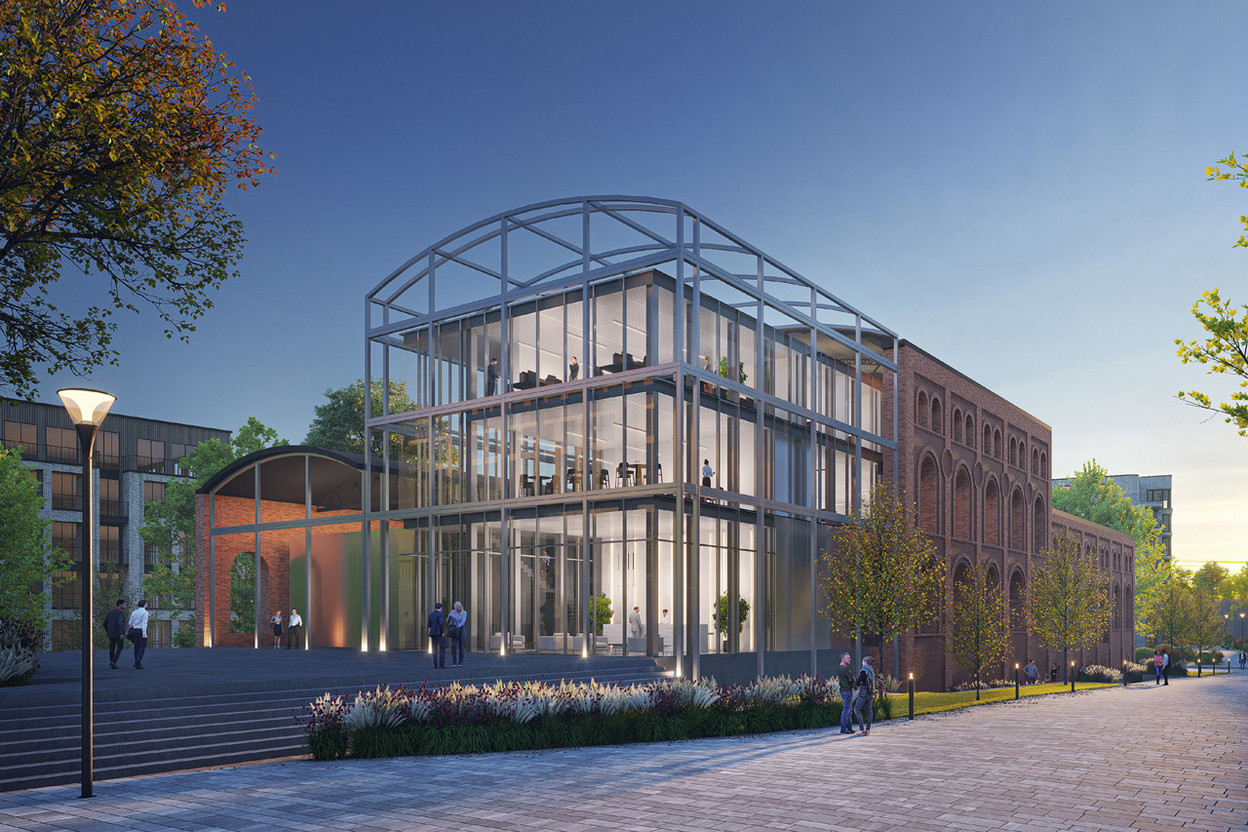
Backtrack. On 5 July 2024, the Minister signed a protocol with Iko Real Estate to build a Sports Museum in the "Turbine Hall" on the Rout Lëns site in Esch-sur-Alzette. The cost associated with this agreement is €28.4 million - €4.8 million for the land and building, €20.7 million for the renovation and around €2.9 million for the initial equipment and technical installations. This represents a 72.72% increase on the original Sports Museum project, which was expected to cost 16.5 million.
An initial project launched in 2017 on the Lankelz site, in Esch-sur-Alzette, by 
This site will therefore be the Hall des turbines. This choice was ratified by the Government Council on 2 May. As was the decision to make Iko Real Estate the main contractor for the renovation of the famous hall. Iko Real Estate will own the land and the building. Once the renovation is complete, the State will acquire the building.
The Ministry considers the site to be "ideal". So "ideal" that a call for tenders was not deemed necessary, according to the response to question 2599 of 11 July 2025. "A justification is not included in any legal exception to the obligations relating to public contracts", says Liz Braz. Why is the Turbine Hall site at Rout Lëns an ideal location for the Sports Museum? And how did this make it possible to establish a direct relationship with Iko Real Estate? When contacted, the Ministry had not replied by the time this article was published.
Procedural issues
For Liz Braz, the procedure followed appears to violate the provisions of European Directive 2014/24/EU and the Luxembourg law of 8 April 2018 on public contracts. These two texts require transparency and competitive tendering for any public contract exceeding 5.5 million. "In this case, no call for tenders was published at national level or in the Official Journal of the EU. Apparently, the memorandum of understanding with Iko thus prohibits the State from prospecting other sites or analysing other offers for the duration of the contract. This exclusivity clause creates a 'pre-commitment' expressly prohibited by European and Luxembourg law, as confirmed by the Minister of Finance himself."
The extensive involvement of Iko Real Estate in the project also surprises the MP. Firstly in terms of the cumulation of roles in its favour. "Iko firstly defines the State's needs and draws up the specifications, and then is guaranteed to carry out the project. This double-hatting (designer + developer) violates Article 27 of Luxembourg law, which prohibits the award of a contract to an operator who has participated in the definition of the project, unless neutralisation measures are taken."
The MP also criticises the ministry for transferring the prerogatives of the Administration des bâtiments publics (ABP), which is responsible for state property projects, to the developer "without any formal justification". Secondly, Liz Braz, citing a ruling by the Court of Justice of the European Union on 9 January 2025, believes that the Ministry of Sport cannot justify a procedure without competition by an exclusivity that it has itself created. "In the present case, Luxembourg voluntarily granted this exclusivity to Iko by the protocol."
Moral issues
For Liz Braz, "the Ministry must above all ensure that its project fully complies with the national and European legal framework. Public procurement procedures are not a mere formality, but an essential guarantee of fairness and transparency. They ensure that all economic players can compete on equal terms and that public money is used in the general interest. To comply with the legislation, the Minister must therefore issue an open invitation to tender for the Sports Museum project, so that every developer or project owner has the same chance to invest in it. To do otherwise would be to create the impression that certain rules only apply to certain people, on a client-by-client basis. Such an approach would not only be contrary to the spirit of the law, it would also weaken confidence in the fairness of public action."
And he adds: "The current government too often seems to base its decisions on the interests of private developers and investors (the new tram stop at GridX, the Chem branch at GridX or the Findelklinik) rather than on the general interest. For me, this mix of genres and this costly management of public funds, for a project that has now reached €32 million including tax, are simply unacceptable - especially when they seem to be aimed at satisfying a certain clientele rather than serving the common good."
In the meantime, according to the timetable drawn up by the Ministry of Sport, the renovation of the building is scheduled for the first quarter of 2028. The museum will open its doors to the public at the beginning of 2029, while the museography and scenography are finalised. The budget is €2.9 million, which will bring the total cost of the project to €32.5 million.
New development in the case: on December 3, 2025, Liz Braz submitted an urgent parliamentary question to the Minister of Finance and the Minister of Sports. She asked whether the National Sports Museum project had been suspended by the government—as reported in the press on the same day—and, if so, on what basis this decision had been made.
* question 2009 of 5 March, question 727 of 14 May, question 2367 of 23 May, question 2599 of 11 July and question 2899 of 18 September.