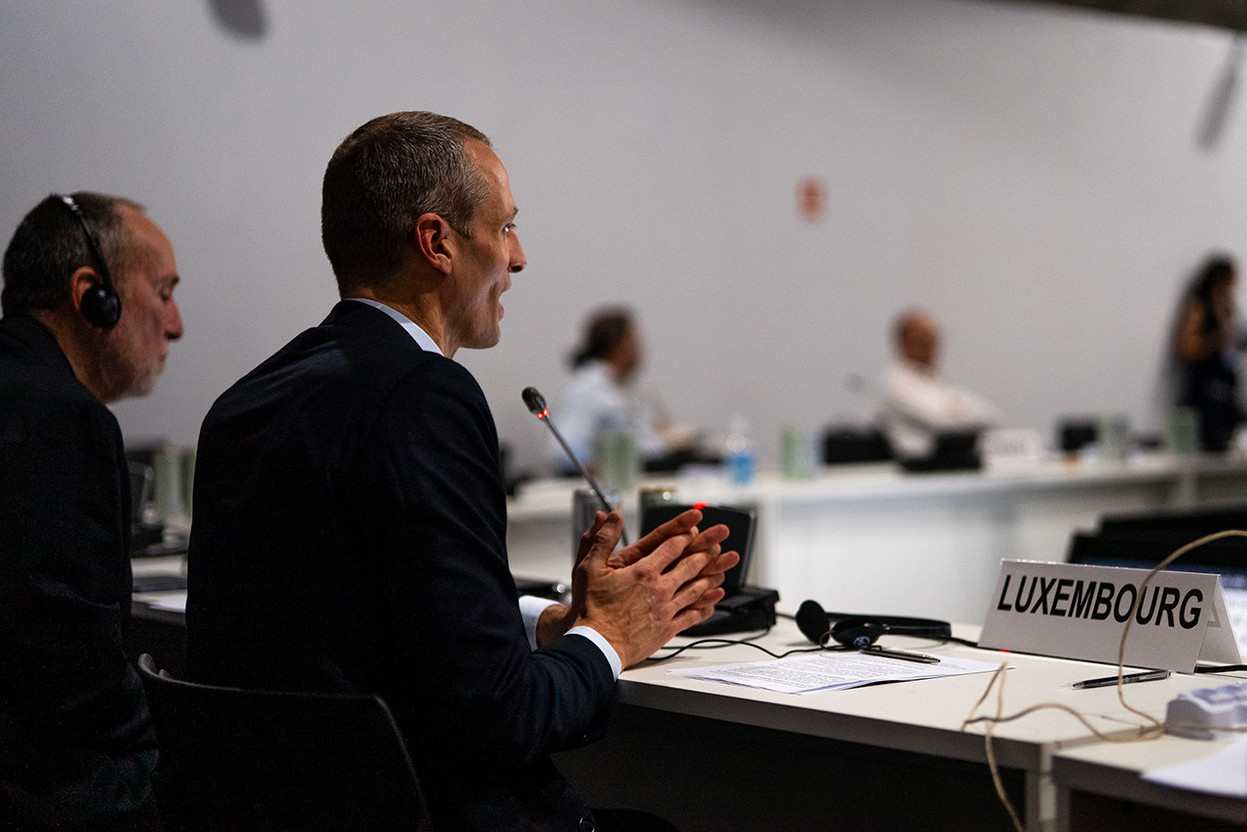
The COP30 in Belém will be remembered as a summit where two narratives coexisted without ever coming together: that of a profusion of climate action, carefully staged by coalitions of the willing and non-state actors, and that of an intergovernmental agreement reduced to essentials, lacking the structuring elements required by science. Luxembourg, which has a strong presence on the Brazilian diplomatic scene, embodied this double narrative. On Friday evening, it celebrated the support of more than 80 countries for the Colombian initiative for a gradual and organised phase-out of fossil fuels. Twenty-four hours later, he acknowledged the weakness of a final compromise that was "barely acceptable", devoid of any roadmap, and incapable of really guiding the global transition.
The Colombian announcement had all the makings of a major symbolic breakthrough: an international bloc, covering a significant part of the G20, committing to plan the exit from oil, gas and coal, with annual monitoring and massive investment. But the political momentum was not a COP decision. It was based neither on a negotiated text nor on legally binding commitments, but on a declaration of intent outside the formal process. Luxembourg, like others, saw this as proof that multilateralism was still capable of producing ambitious coalitions. What it did not yet say was that these coalitions thrive precisely because states are no longer able to agree collectively.
When 
The closing speech by Simon Stiell, Executive Secretary of UN Climate, feeds this ambivalence. He asserts that cooperation is "alive and well", that humanity "remains in the race", and that the transition to a low-carbon economy is "irreversible". But he also stresses the misinformation, the political pressure, the accumulated frustrations, and this essential observation: despite the apparent unity, we are not yet winning the climate battle. His most revealing phrase says it all: the countries "have chosen unity... but the speed is not there". In other words, the machine is working, but it's not moving at the pace demanded by the urgency.
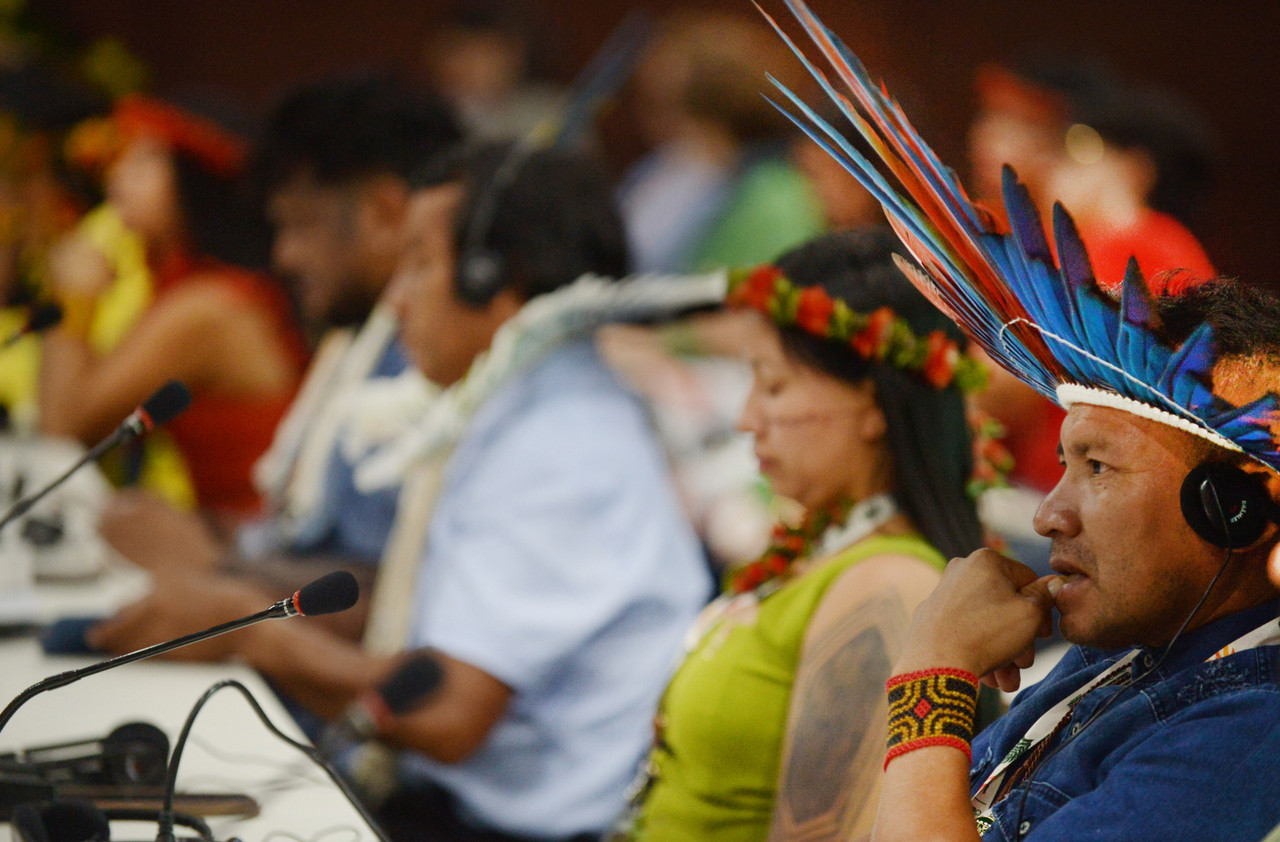
The most striking paradox is to be found in the final report of the Global Climate Action Agenda, published in parallel. The document is packed with voluntary commitments, investment pipelines, industrial coalitions and technical programmes covering power grids, transport, agriculture, finance and ecosystems. It talks of trillions mobilised, hundreds of millions of hectares restored and 437 million people made more resilient. This abundance gives the image of an extraordinarily dynamic COP, of a global transition that is already well underway. But none of these elements are part of the text negotiated between the States. It is not the agreement. It is the showcase.
The gap between these "achievements" and the final agreement highlights a structural truth: when states can no longer agree on breakthroughs, it is non-state actors who produce the stories of progress. This shift in the centre of gravity - from decision-making to action, from diplomacy to coalitions - makes it possible to show a global movement, but does not replace the ability of governments to set a common direction. This is where Luxembourg's political discomfort lies: active, visible, a driving force on climate finance and innovation, but clear-sighted about the persistent weakness of the multilateral framework.
Belém thus confirms that the COPs are neither failures nor successes: they are negotiations that evolve more slowly than the phenomena they claim to oversee. They produce real, but peripheral, progress. They maintain cooperation, but no longer resolve the fundamental issues. Rome wasn't built in a day, they say. But neither will the climate crisis be built - or resolved - by an accumulation of declarations of intent and showcases of initiatives. The central element is still missing: the ability of states to accept what physics dictates.
Luxembourg, with its double talk in Belém, is merely reflecting this global paradox. It celebrates the energy of the system when it moves forward, and notes its powerlessness when it stagnates. In the image of this COP30, it navigates between stated ambition and constrained realism, between active diplomacy and dependence on an international framework that can no longer produce the necessary breakthroughs. An honest stance, but one that reveals a world that, when it comes to the climate, moves a lot - except where it matters most.