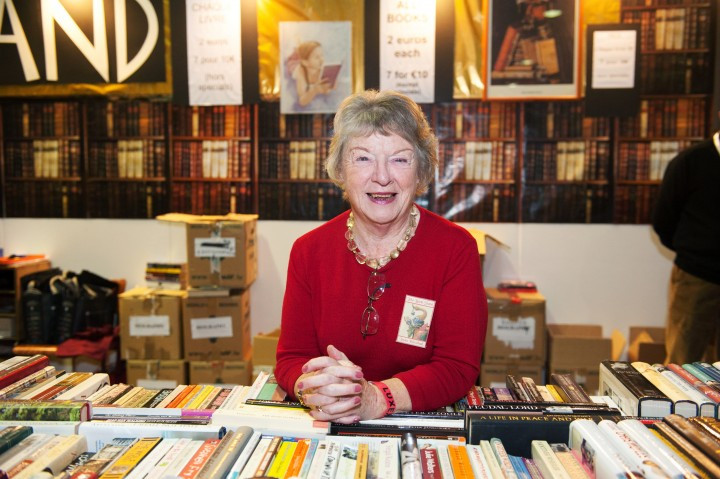

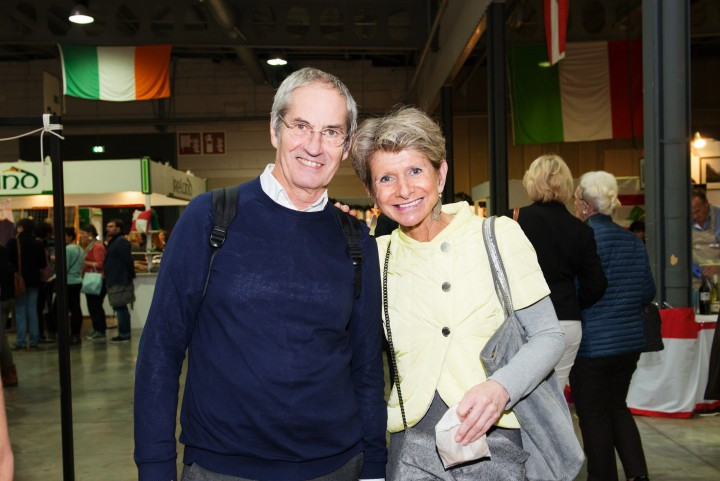
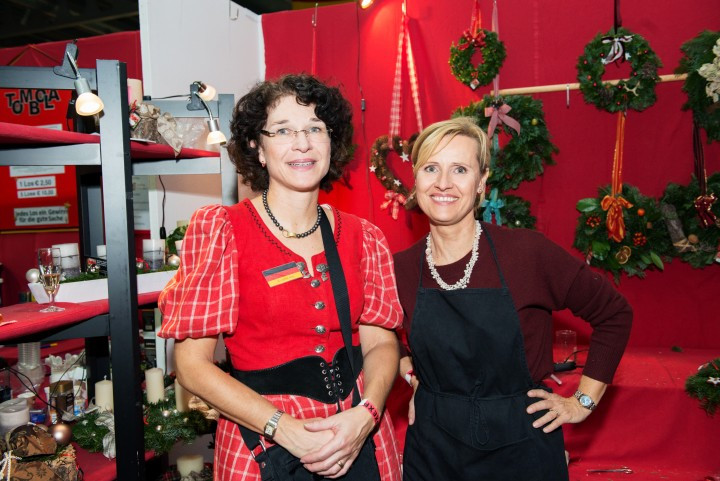
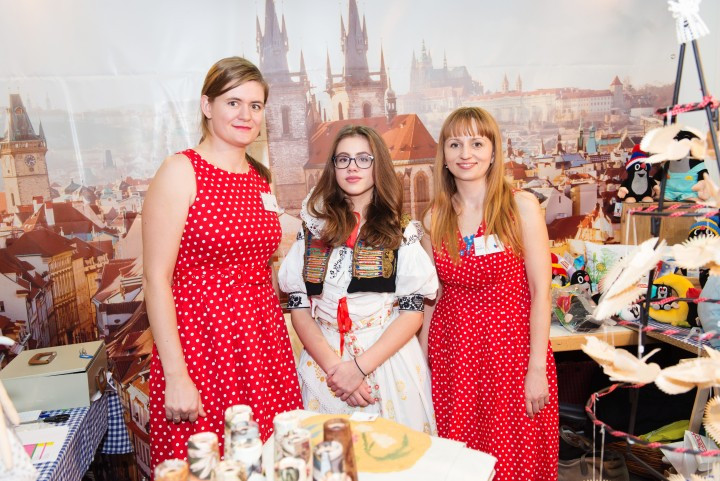

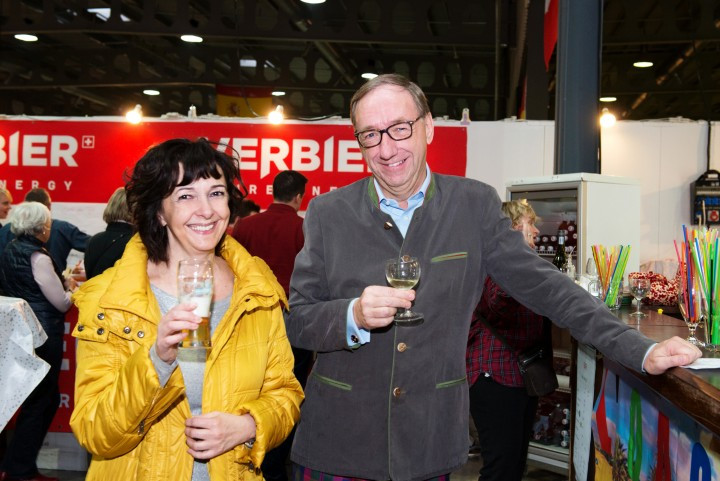
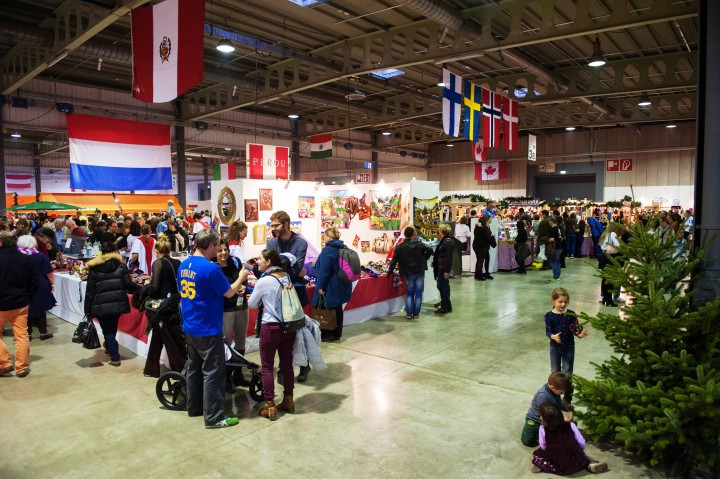
But some things don’t change--like much of the dedicated team that has been volunteering at the Book Stand for decades.
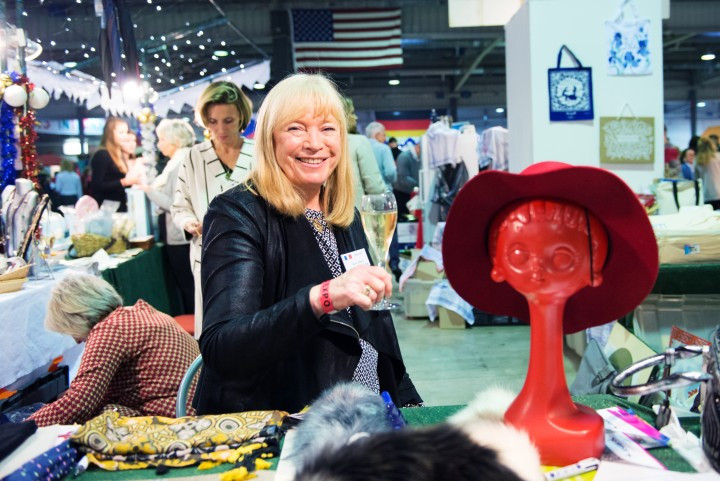
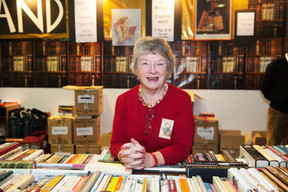
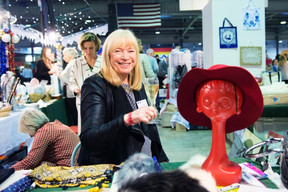
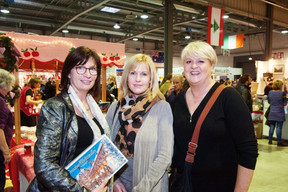
Linda Woodhall started here in 1994, after having chaired and worked for the British Stand before that, from 1978. “It’s a great chance to catch up with old friends,” she says, and she isn’t only talking about people, she’s talking about books. “Unpacking and sorting them is a delight. It’s wonderful to see the range of material people are reading these days and to see old favorites again.” The team is as diverse as their tastes as the books, Woodhall says, and “we all end up spending lots of money here.” It’s tempting to buy bags full, and people do. Last year, to the tune of €20,000.
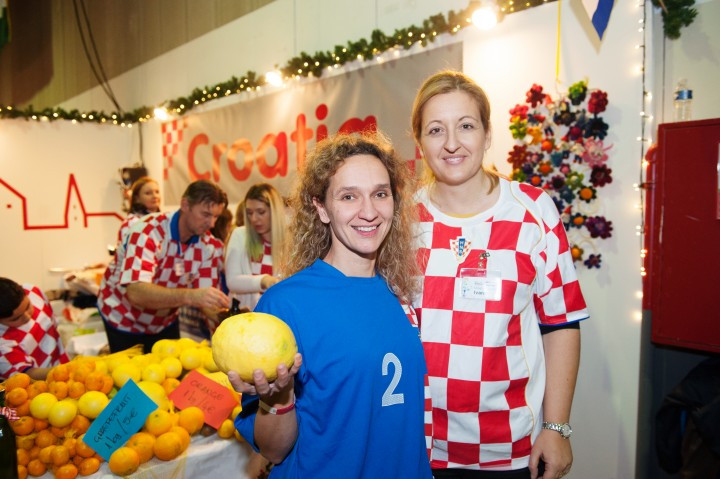
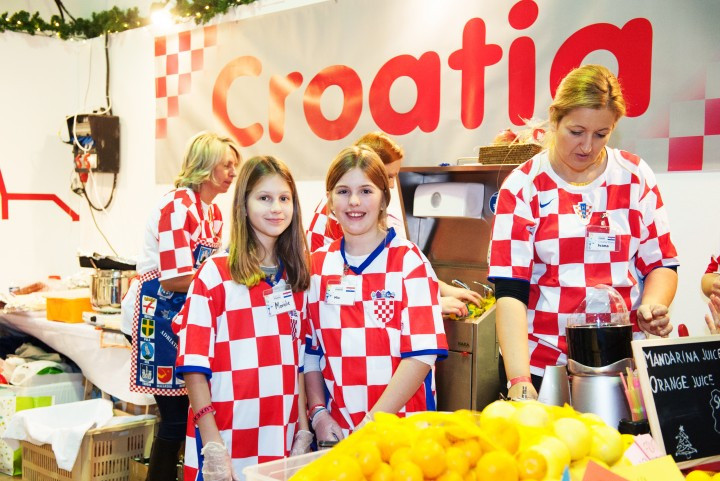
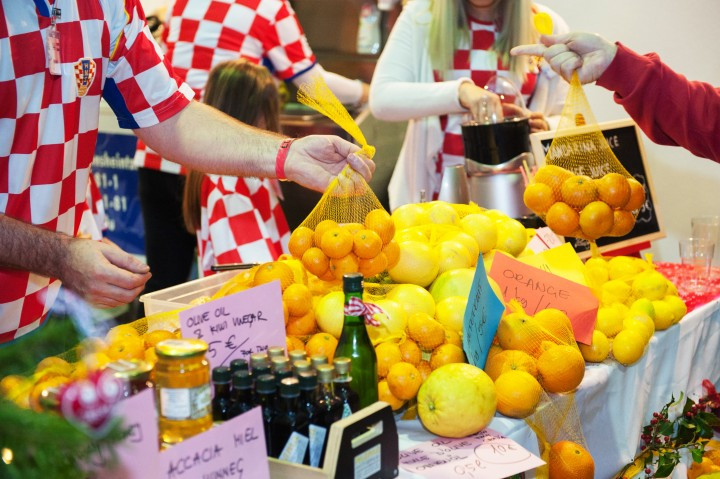
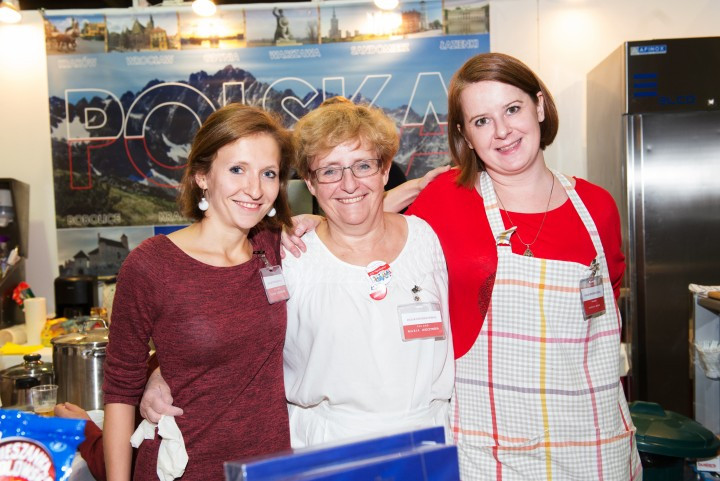
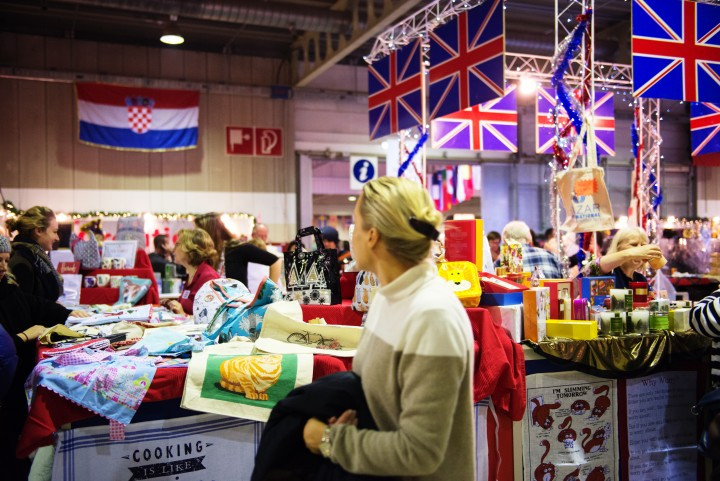
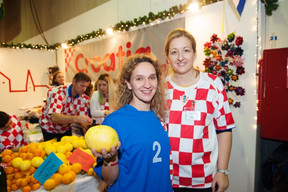
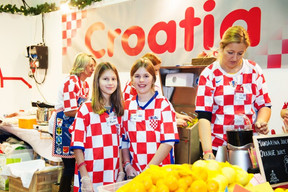
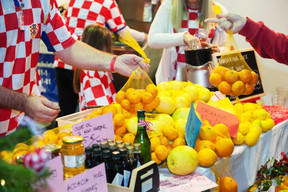
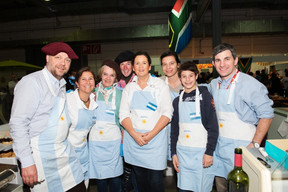
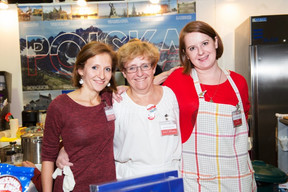
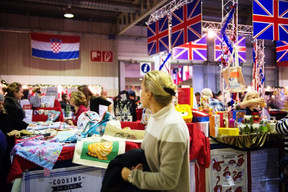
While the Book Stand’s a long favourite, the Croatian Stand’s a newbie, in just their second year. It’s a stand out, with volunteers in big red and white checks and colourful fruit piled high on display. “The fruit was flown in from Dubrovnik,” says Ivana Schumacher Filipovic. “It’s grown where the river goes out to sea, and has all the flavor of the region.” A bite of a mandarin proves her right and the exotic fiejoa tastes like both apple and kiwi. The bean soup and meat patties look more like local Luxembourg staples, but Fillipovic says they’re nothing like them. “Ours tastes like winter, with spices from Croatia,” she says, holding up a bag of ‘vegeta’ spices. Some of Luxembourg’s 1000-strong Croatian population will surely grab these up to season their dishes with a taste of home.
Colourful products
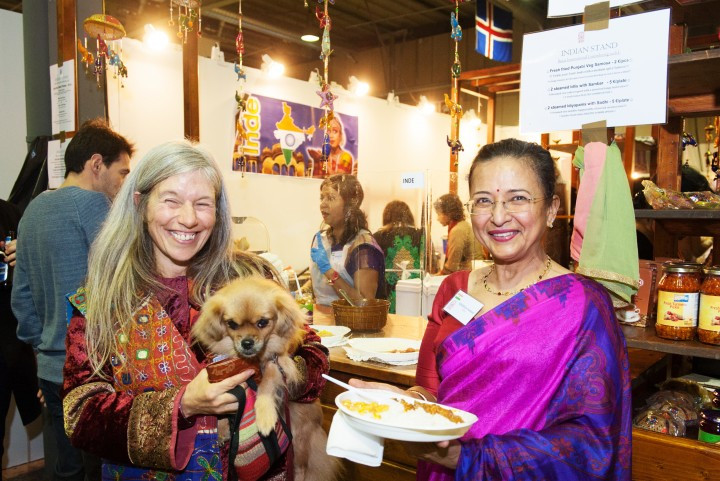
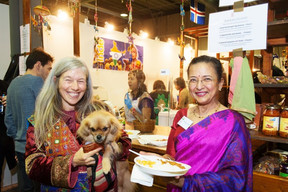
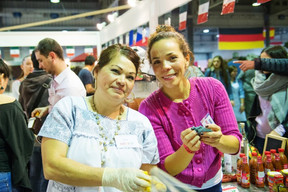
Spices are partly what brings people to the India Stand, where curries always draw crowds. Soussila Hurpaul has been helping serve them for 9 years now, and dressed in a sari, she’s serving one to Lydie Boursier, equally colourful in an Indian-inspired outfit she made herself. It turns out Boursier is a local artist specialising in something Oriental--flying carpets. “I always buy lots of things at the bazaar”, she says, pointing to her new bag from the Peru Stand, filled with fabrics and finds. Even her little dog Squidly is exotic--she’s from Tibet!
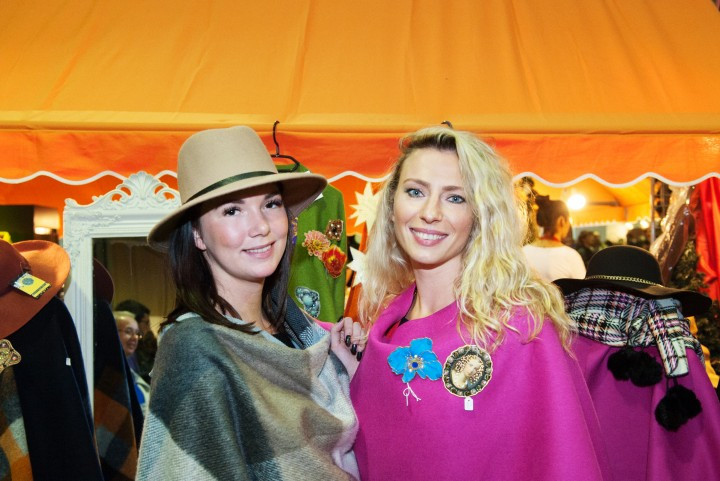
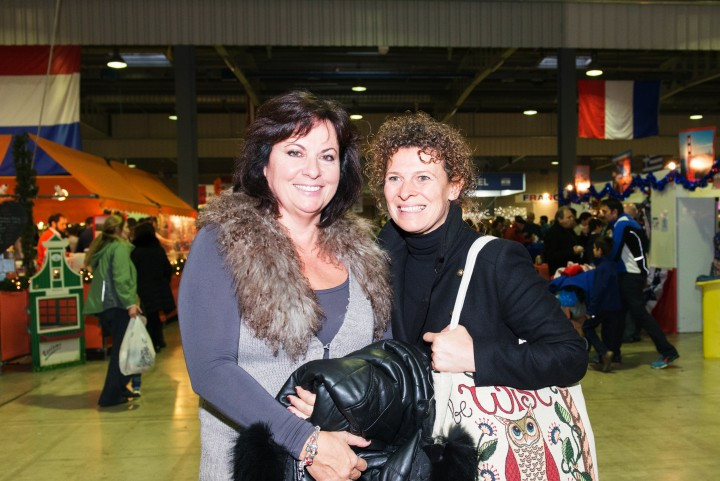
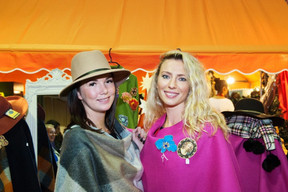
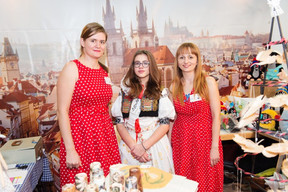
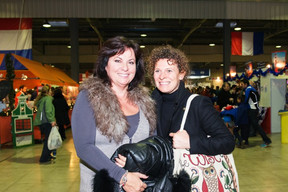
At first glance, two striking women nearby look like they’ve been to the Peru Stand too--they seem to be wearing ponchos. But on closer inspection, they’re handmade modeling capes at the Dutch Stand. One of the models, Kathy van Merkom, own the company that makes them, and helping her out at the stand is Katia Boeren. Of the two, the tall blonde Boeren looks more Dutch, but she laughs and shakes her head no. “I’m Russian, but I’m married to a Dutchman so that makes me half-Dutch!”
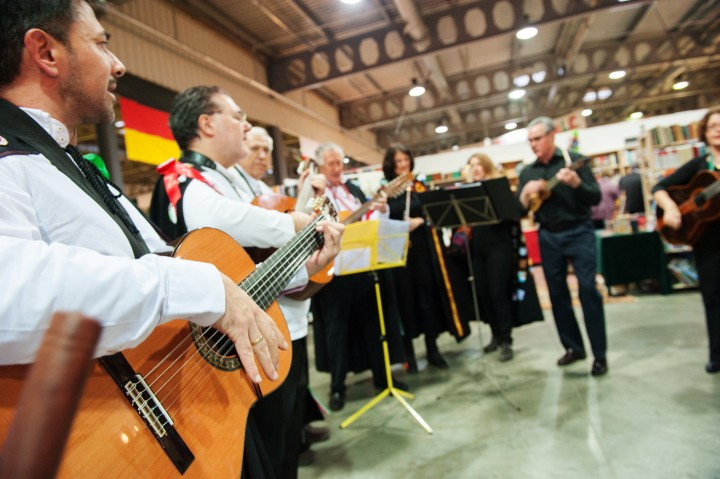
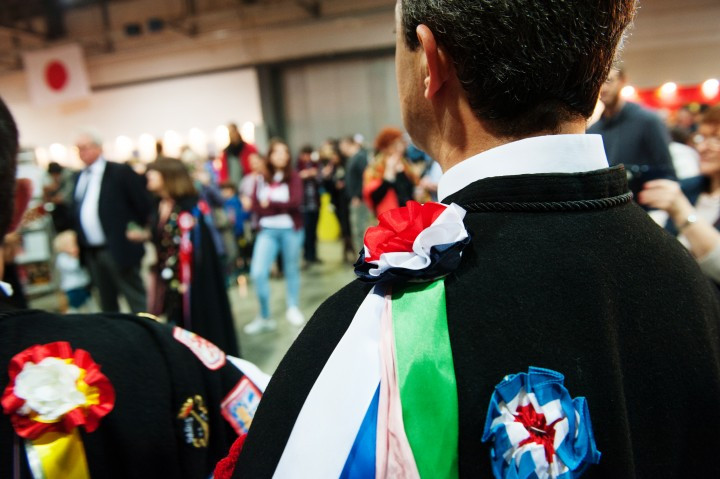
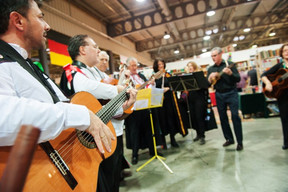
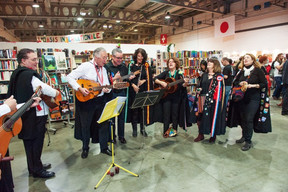
It was Van Merkom’s first time at the bazaar, but with the capes flying off the rack--no carpet needed--it probably won’t be her last. She wasn’t the supplier, however, for the caped musicians at the Spanish Stand. In fact, Joaquin Cervino’s cape has a long and famous history.
Gallant tradition
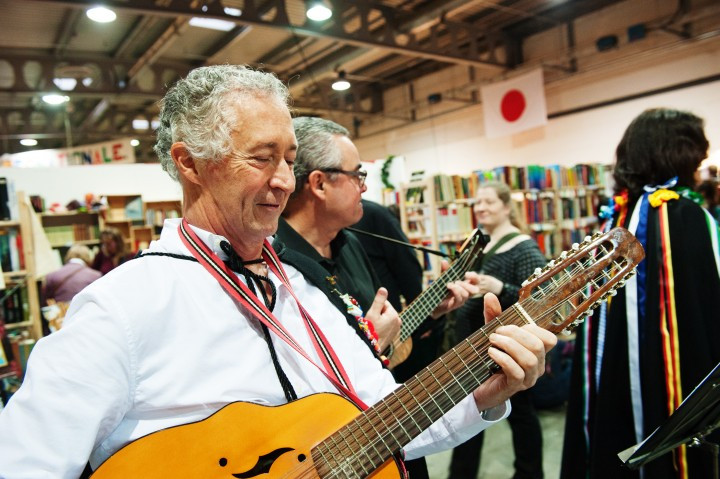
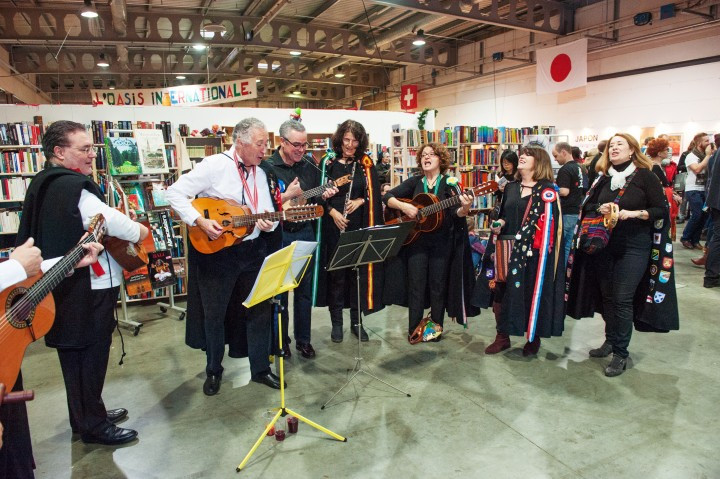
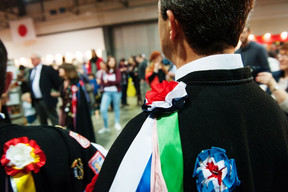
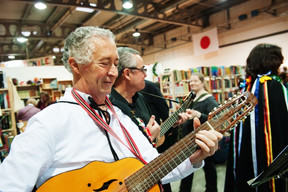
Cervino is part of a traditional type of Spanish musical ensemble known as a Tuna. There’s only one in Luxembourg and they’ve been performing at the bazaar for years. A few years back, Cervino did something unexpected. When the Grand Duchess approached during her tour of the bazaar, he gallantly flung off his cape and laid it down before her. At first she hesitated, and then she stepped across it.” These days there is no hesitation--not on the part of the band, who all now lay them down their capes, and not on the part of the Grand Duchess.
“All of the Grand Duchess’s children have walked on this cape now,” Cervino adds. “I’m never going to have it cleaned. It carries memories with it.”
And whether they bought books, Croatian fruit, Indian curries, Dutch capes or anything else at the bazaar, that’s what visitors carry out with them too. Good memories from a beloved annual event!