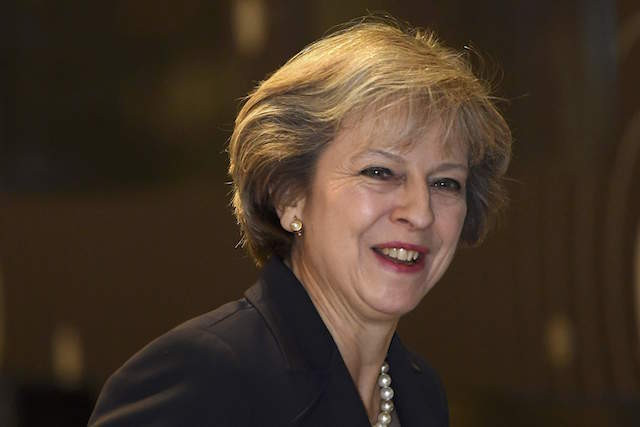
Addressing the annual Conservative Party conference in Birmingham, Theresa May outlined her government’s approach to negotiations over the UK’s future relations with Europe.
That includes the status of EU law and that Britain would no longer follow rulings from the European Court of Justice, in Kirchberg, following Brexit.
May said:
“We will soon put before parliament a Great Repeal Bill, which will remove from the statute book – once and for all – the European Communities Act.
“This historic bill – which will be included in the next Queen’s Speech – will mean that the 1972 Act, the legislation that gives direct effect to all EU law in Britain, will no longer apply from the date upon which we formally leave the European Union. And its effect will be clear. Our laws will be made not in Brussels but in Westminster. The judges interpreting those laws will sit not in Luxembourg but in courts in this country. The authority of EU law in Britain will end.”
“As we repeal the European Communities Act, we will convert the ‘acquis’ – that is, the body of existing EU law – into British law. When the Great Repeal Bill is given Royal Assent, parliament will be free – subject to international agreements and treaties with other countries and the EU on matters such as trade – to amend, repeal and improve any law it chooses. But by converting the acquis into British law, we will give businesses and workers maximum certainty as we leave the European Union.
“The same rules and laws will apply to them after Brexit as they did before. Any changes in the law will have to be subject to full scrutiny and proper Parliamentary debate. And let me be absolutely clear: existing workers’ legal rights will continue to be guaranteed in law – and they will be guaranteed as long as I am prime minister.”