































































It’s approaching a decade since the global financial crisis, and the banking industry is still widely resented.
Many loud voices suggest that bail-outs of what they see as still unreformed banks have been a main contributor to the global rise of political populism. Should banks and regulators do more to address these concerns, or do we need a complete rethink of the financial sector?
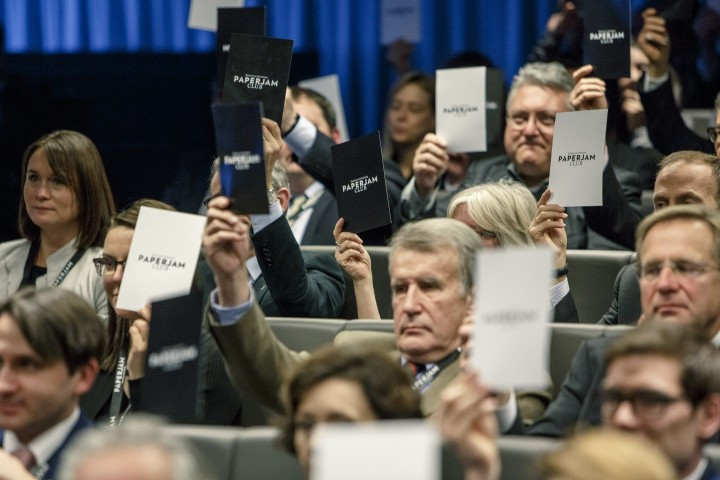
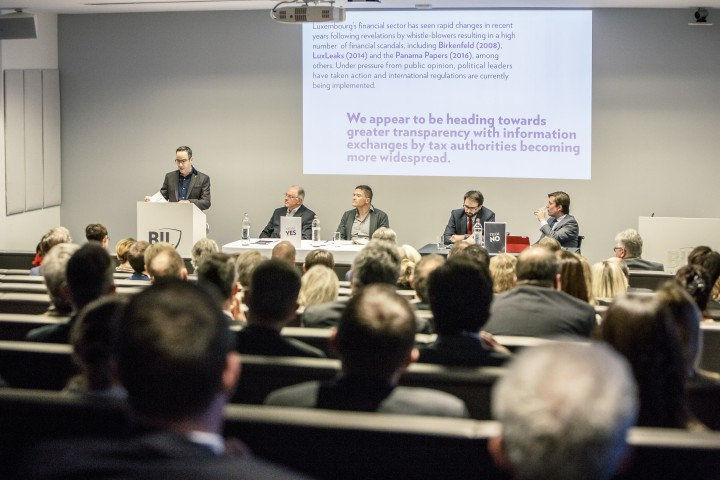
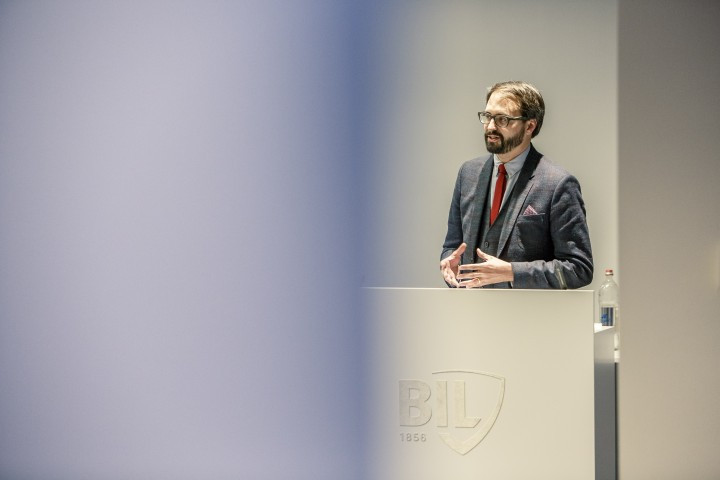
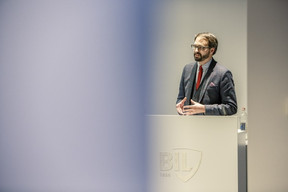
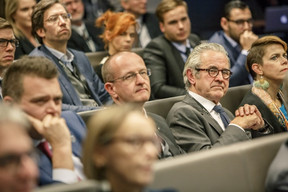
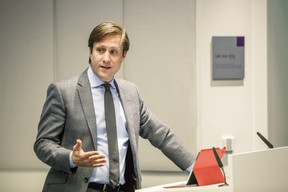
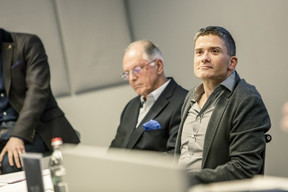
The Oxford debate at the Banque Internationale à Luxembourg on the route d’Esch in Luxembourg discussed these issues using the format of the venerable Oxford University debating club.
Need for efficient banking systems
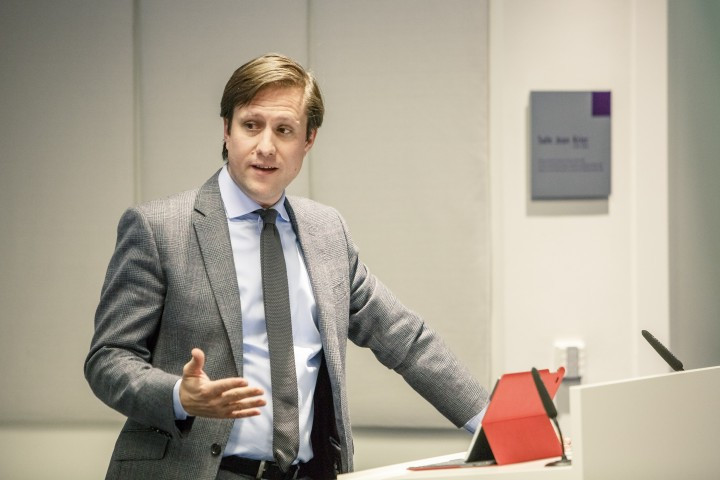
“In his book ‘The Ascent of Money: A Financial History of the World’, the historian Niall Fergusson explained how poverty is not the result of banks exploiting the local population, but the opposite: a lack of financial institutions in those communities,” argued Philipp von Restorff of the Luxembourg Bankers’ Association (ABBL). Only this way can entrepreneurs and households borrow to invest without having to turn to unscrupulous money lenders. Indeed, all economies need efficient banking systems.
Von Restorff added that Fergusson went on to suggest that the financial system reflects many aspects of human nature, suggesting that the banking system needs to be judged in this context.
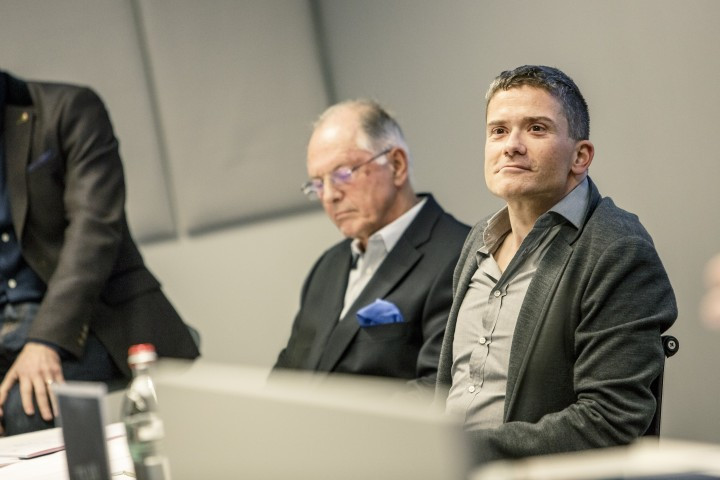
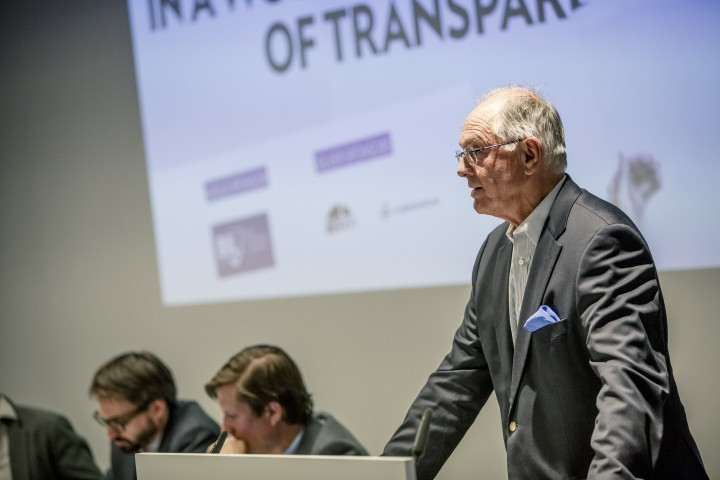
Although Alfred Steinherr, academic director of economics and finance at Sacred Heart University, was speaking in favour of the motion, he agreed with this general point. “What does ‘new’ mean in this context?” Steinherr asked. “We shouldn’t discard much about the financial system that is good, but change is obviously required as the world is changing, and banks have to adapt to new technology and regulation,” he explained.
Professor Steinherr saluted the Luxembourg financial sector and political leadership for the strides they have taken, but said more could be done. Complying with international standards on fiscal transparency and money laundering were highly commendable he said, as was the commitment to business diversification. However, he warned that: “we should be suspicious of where certain wealth is coming from.” Not only was some of this income gained in immoral ways, but this posed another risk to the country’s reputation, he suggested.
New financial products needed
Jean-Sébastien Zippert of the responsible investing group Etika added that the industry must continue to increase the supply of the ethical financial products sought by consumers, and that widely accepted quality labels are needed to give confidence.
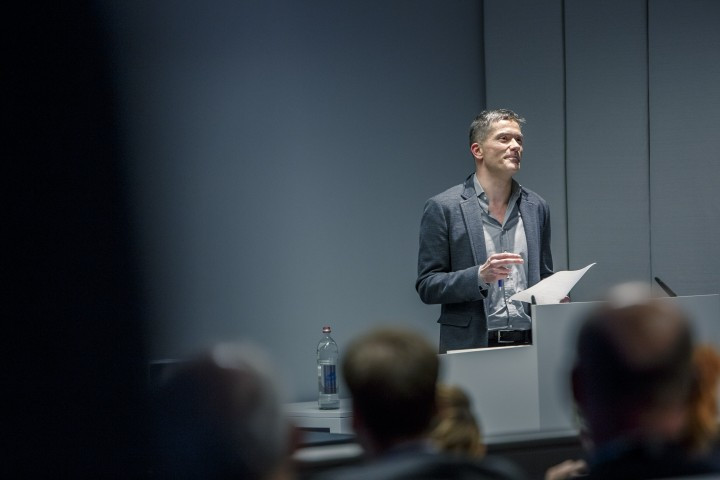
“When clients have assets in multiple jurisdictions they come to us, because we are a centre of excellence for cross border finance,” said Tom Theobald of Luxembourg for Finance. He regretted that journalists often found it easy to appeal to readers’ prejudices when they suggest this country is a systematic location for unethical practice.
All agreed more education is needed globally and locally.
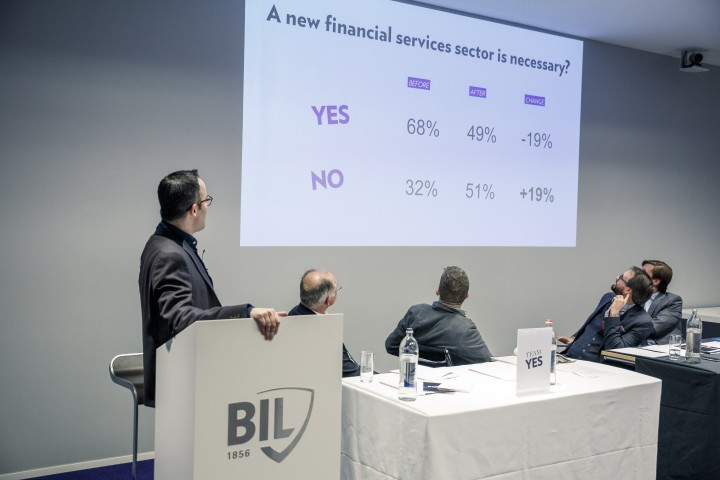
As for the debate: the house lost the resolution. The vote was 68% yes/32% no before and 49% yes/51% no afterwards.