

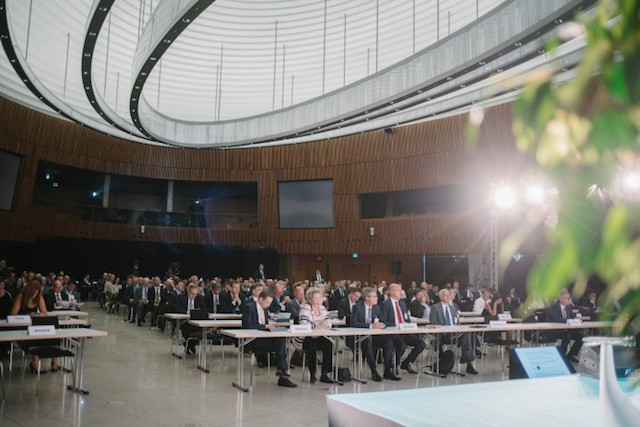
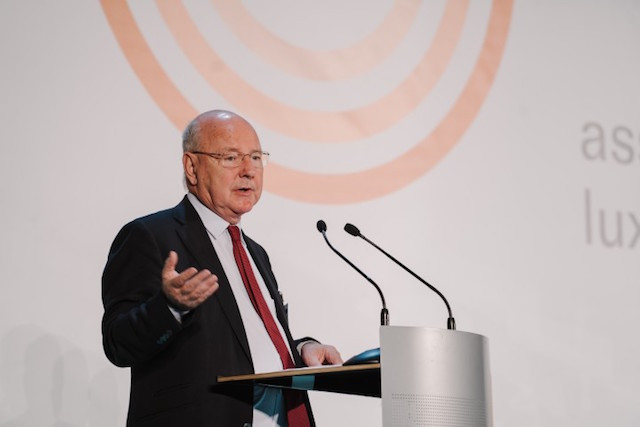
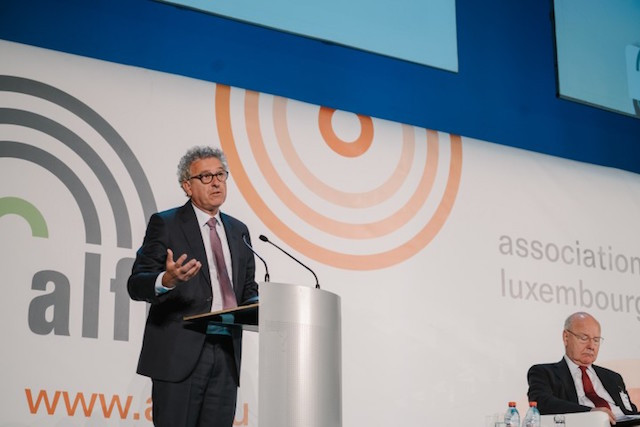

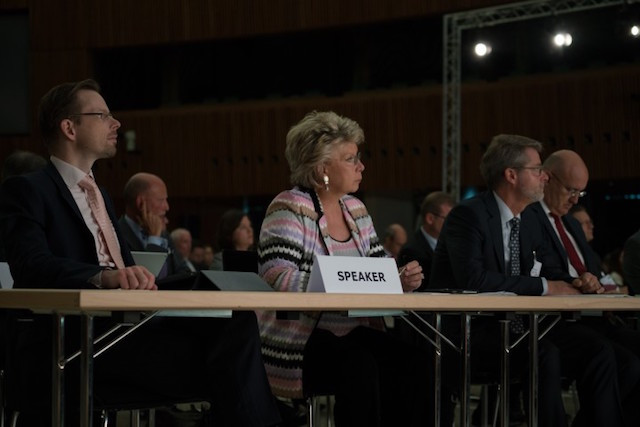
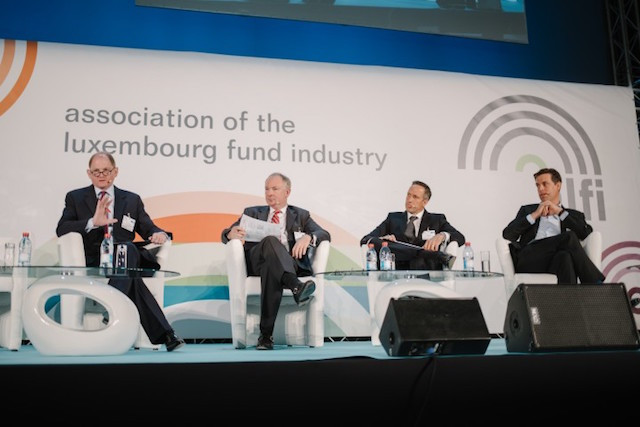
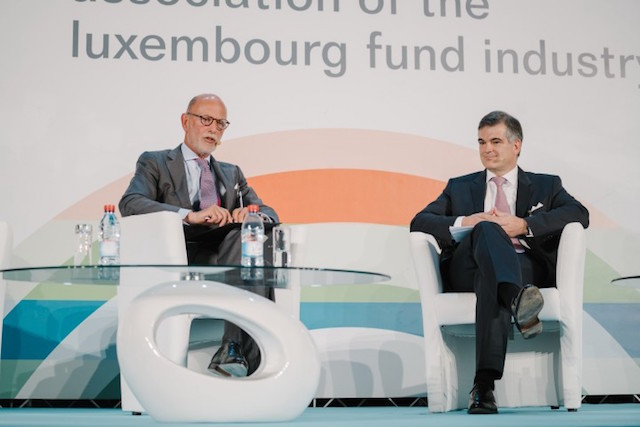














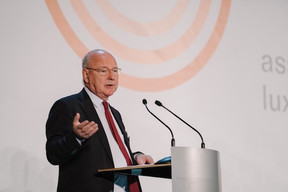


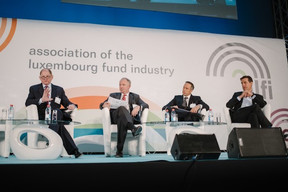





















According to one speaker at the ALFI Global Distribution Conference, on Wednesday 20 September, strategic decisions will be taken soon. Claude Marx, the director general of the financial sector regulator the CSSF, told the conference that “we have had, and are continuing to have, discussions with numerous UK-based institutions,” in the context of Brexit.
Uncertainty is bad for business, so he believes many will be adjusting their approaches in the “coming weeks and months.” It remains to be seen if there is more to this than a Luxembourger promoting the attractions of the Luxembourg hub, but a panel discussion at the conference pointed to high levels of uncertainty about how Brexit will affect fund businesses with UK interests.
Passports
Precisely 212 UK-based firms were using the “passporting” rules in the Alternative Investment Fund Managers Directive (AIFMD) on 27 July 2016, said the UK regulator, the Financial Conduct Authority. These rules enable these businesses to sell their alternative investment funds and provide other services across the EU without restriction. Incidentally, relatively few UK firms (32) use outbound UCITS passports, as most already use a Luxembourg or Irish hub. Overall, a total of 5,476 UK based financial firms were using 336,421 passports.
The ALFI panel of experts painted a broadly optimistic scenario for long term UK-Luxembourg fund industry relations. In the case of “soft Brexit” and continued open access to the single market, the UK should continue to benefit from passporting without the need for much change. Even with a “hard Brexit” (that would result in a relationship akin to that with Hong Kong or the US) workarounds would be available. This, of course, assumes that the Brexit process is conducted in a spirit of good will.

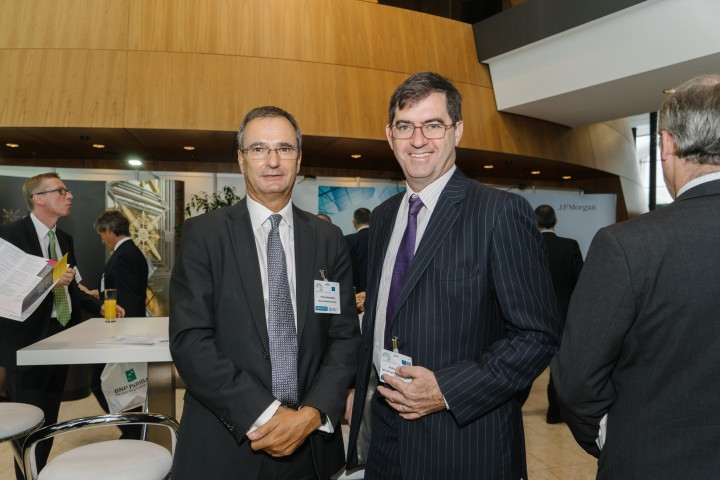
Claude Marx of the CSSF, Luxembourg’s financial regulatory body, said that his agency has been having talks with several British financial firms during the ALFI Global Conference on Tuesday. Photo: Marion Dessard
Whatever path is taken, this would imply the need to beef up EU operations through which UK business could be channelled. Given these conditions, the local industry is hopeful that Luxembourg would be the favoured hub. Already, Britain accounts for 16.7% of all fund assets based in the Grand Duchy, which equates to €475bn.
Uncertainty
But the process of separation has not even begun, so uncertainty is likely to persist. For example, the much discussed “Article 50” process which will kick-off the Brexit process only concerns the details of the divorce: the EU budget, how the UK would withdraw from decision making procedures, the future of EU institutions in the UK, the fate of UK nationals in the EU civil service, and so on. The post-Brexit trading arrangements would then need to be agreed.
Given such uncertainty, it is little wonder that businesses are seeking more solid long term arrangements. And as global regulators are cracking down on “brass plate” firms, some asset managers might need to establish major subsidiaries within the EU.