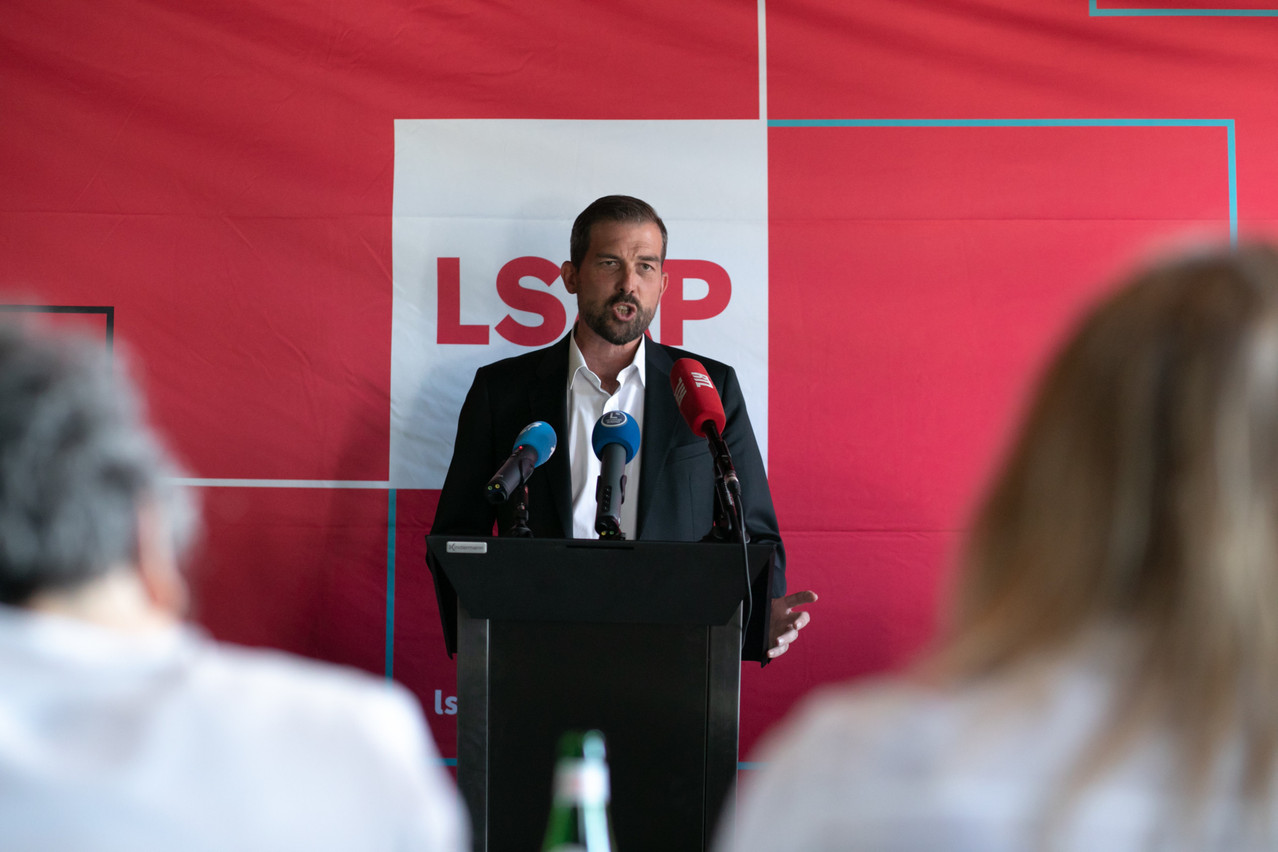
"It is a reasonable proposal, but we should not sabotage the tripartite", says 
By jumping in directly after Tuesday’s announcement of a sharp rise in gas prices on 1 October, dei Gréng seemed to want to take the wind out of the sails of its coalition partners, who were relying on the current tripartite mechanism--which brings together government, employer and union representatives--to find solutions.
The announcement by déi Gréng stance was not at all to their liking. "Negotiations take place in the right places, not in the media," said 
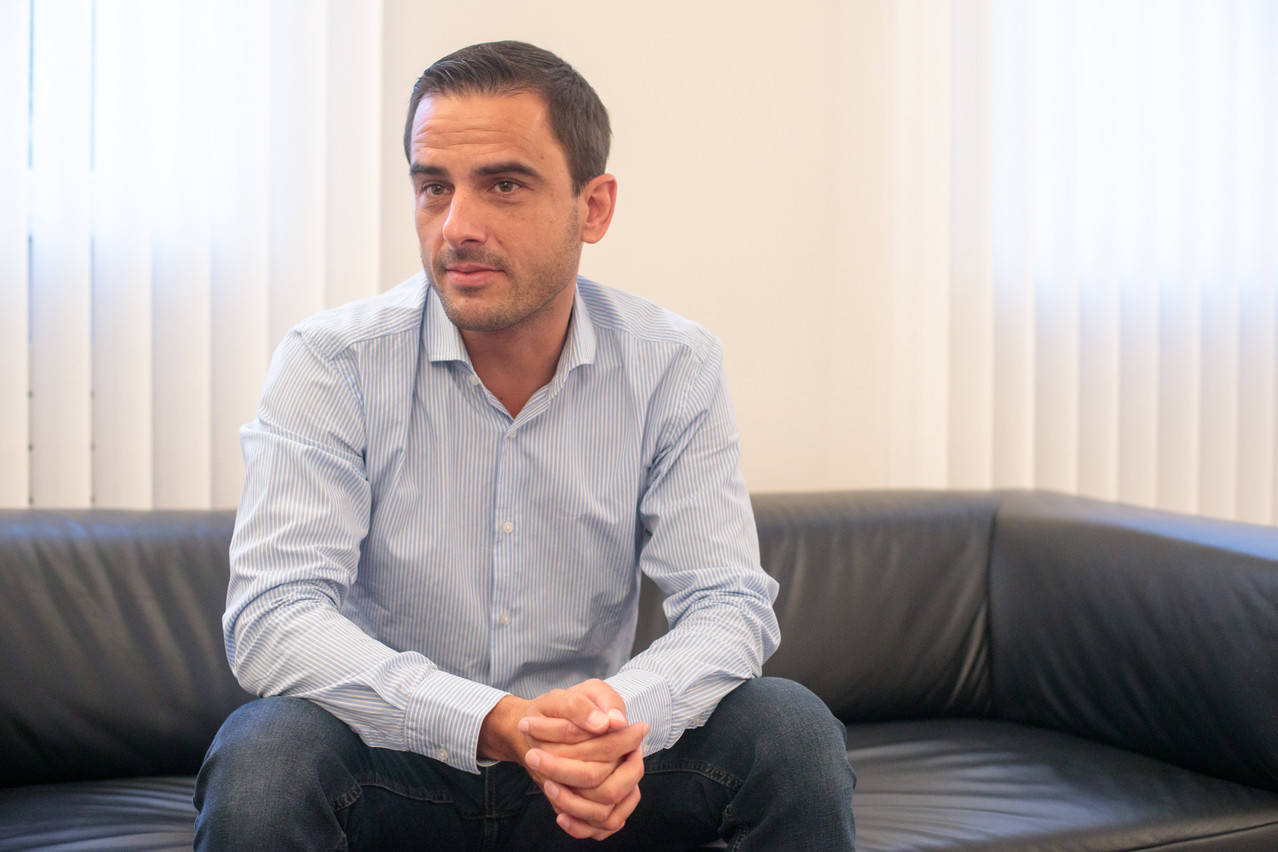
"This is not the time to say 'we want this or that' and try to win. That's not the way to help the country and the people," says Max Hahn. (Photo: Matic Zorman/Maison Moderne)
It is a view shared by the LSAP : "We are in the middle of the tripartite and all these issues must be dealt with there,” says Yves Cruchten. "Why have a tripartite if we make decisions beforehand? That is the reason for this model, which I value. This is not the time to pull in different directions.”
Reassuring the population

According to Sehovic, the current crisis has two aspects: a general inflation crisis, to which the tripartite must respond, and an energy crisis, characterised by challenges in terms of supply and soaring prices. To deal with the latter, "we need to react very quickly". Déi Gréng hope that the government will agree at its cabinet meeting on Friday to draw up a concrete project in the short term. The party’s energy minister Claude Turmes is scheduled to address the media alongside prime minister Xavier Bettel at 1pm on Friday following the meeting.
But the argument that swift action does not really cut it for the DP and LSAP. While agreeing that the tripartite should not "drag on forever”, Cruchten says it is important not to "rush into things". The meeting must be "well prepared" with "reliable and verifiable figures", which is also a demand the unions have made.
In the right direction
"The people in the tripartite are fully aware of the current situation and the need to act very quickly," says Hahn. The next meeting, scheduled for 14 September, "will come up quickly", says the DP member, who is also the vice-chairman of the parliamentary energy committee.
However, beyond these criticisms the Dréi Gréng proposal was actually not so badly received by the coalition partners. "The DP is very much aware that we have to make efforts for lower income households and beyond, as well as for the companies,” says Hahn.
"I think that all ideas are welcome and this proposal is not far-fetched. It is a step in the right direction,” said Cruchten, even if it should have been formulated "within the tripartite". It remains to be seen how it will be received tomorrow at cabinet level.
This article was originally written in French for Paperjam and has been translated and edited by Delano.