Prime minister 


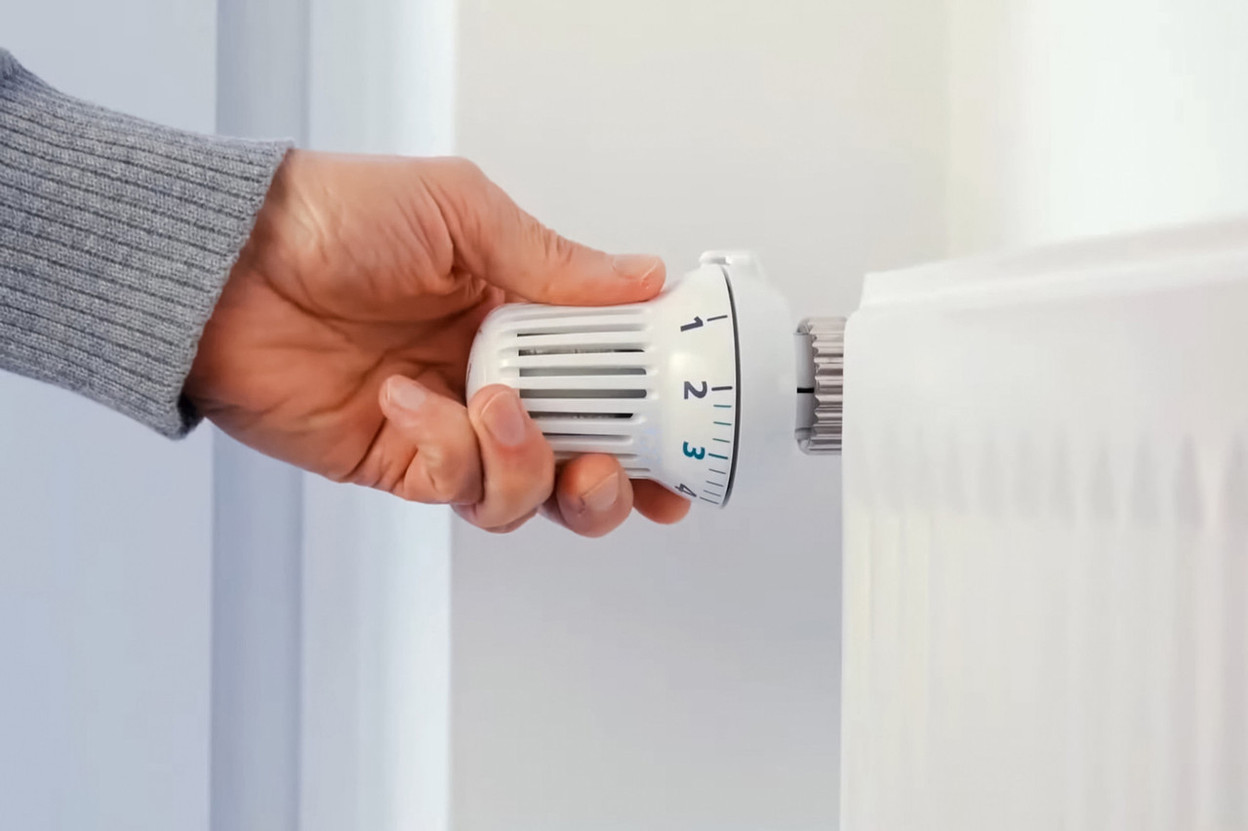
Developments on the Klimabonus Wunnen
From 1 October until 31 June 2026, the main changes to the Klimabonus Wunnen--the support for homes energy improvements-- will focus on photovoltaic systems, which are the most popular with consumers.
From 1 October, therefore, support will be provided for 50% rather than 62.5% of the actual costs, with the ceiling per kW rising from €1,562 to €1,250. There are no changes for energy renovation and the installation of heat pumps and wood-fired boilers.
Changes to the Klimabonus Mobilitéit
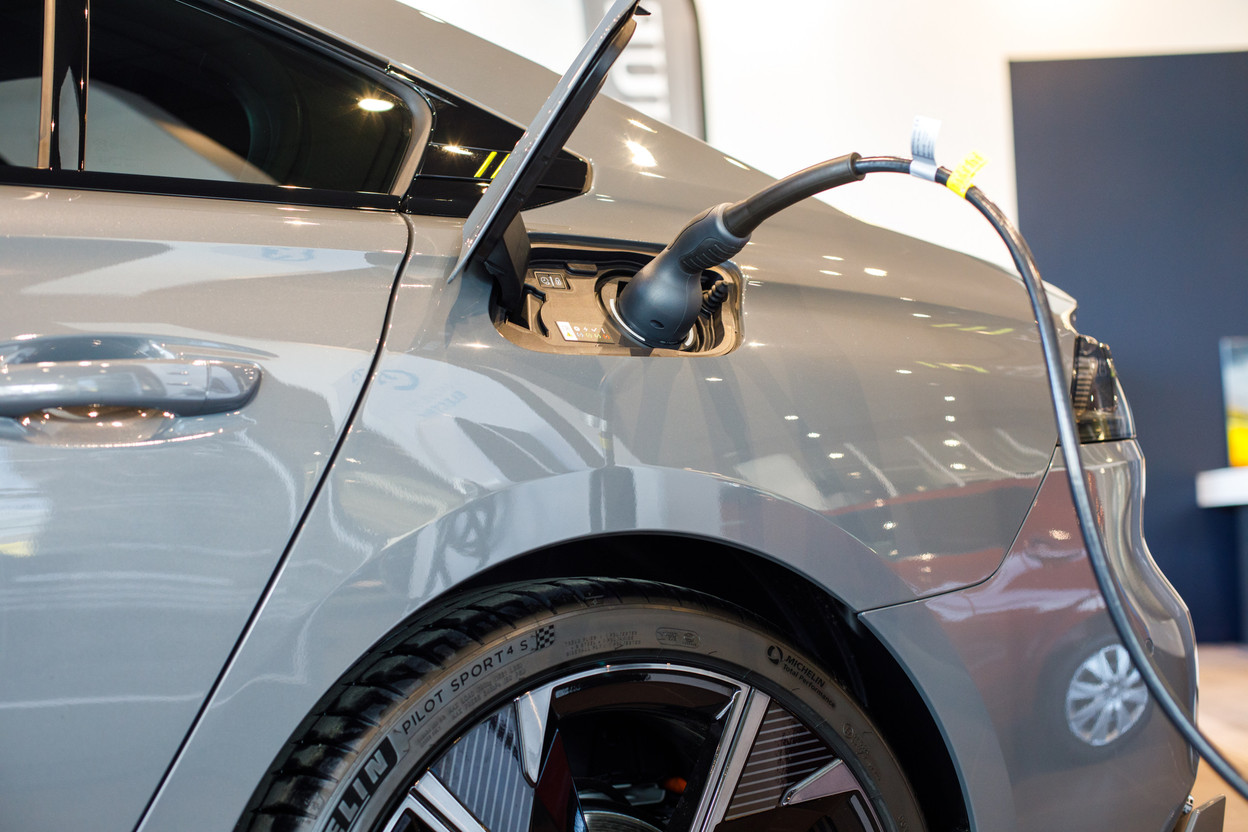
There are more changes to the Klimabonus Mobilitéit, focusing on cars.
From now on, the sales or leasing bonus will be reduced from €8,000 to €6,000. To qualify, you will now have to keep your vehicle for three years rather than just one. The subsidy will also be calculated on the basis of power and seating capacity, “two criteria designed to reflect the buyer’s purchasing power”, explained Wilmes. A new feature is that “in order to encourage the continued use of electric cars in the national fleet”, a grant of €1,500 has been introduced for secondhand cars--those more than three years old. The condition for obtaining this aid is that the car must then be driven for two years.
The bonus for electric vans has been reduced from €8,000 to €6,000, while the ownership period has been extended from one to three years. The same applies to electric motorbikes. However, for this category, the bonus remains fixed at €1,000.
The most recent change is that the maximum subsidy for cargo bikes, which represents 50% of the cost excluding VAT, has been raised from €600 to €1,000. The bonus for bicycles remains set at €600, but is now reserved for households receiving the cost-of-living allowance or the energy bonus.
The opposition had already criticised these cuts during debates following the prime minister’s State of the Nation address.
Climate ambitions remain, according to Wilmes
Wilmes refuted any lack of ambition on the part of the government. “In the case of photovoltaics, the premium was increased from 50% to 62.5% following the tripartite agreement of 2022, which was triggered by the war in Ukraine, rising energy prices and rising inflation. Since then, energy prices and inflation have fallen, and we have also seen photovoltaic prices fall. The weight of the investment is falling. That’s why we’re returning this subsidy to its pre-crisis level. The trend is the same for electric cars: prices are falling and electrification is progressing in the mid-range segment. And here, in the name of social justice, we are favouring low-income households whose purchasing power does not allow them to buy a top-of-the-range vehicle. That’s also why we’re now adding the secondhand market.”
Does the government intend to make savings in this area? Overall, “no,” replied Wilmes categorically. “The Klimabonus Mobilitéit cost €80m a year in 2024. Under the new scheme, that figure will fall to €45m. And the money spent less on this scheme will be redirected to fund other schemes, such as energy renovation, where the figures are not yet at the level we would like.” He added that the objective remains to achieve 49% electric vehicles by 2030.
The minister for the environment added that the government was not refraining from “reviewing the amounts of all this aid in the light of market developments”.
Read also
Nearly 12,000 applications processed by 2024
Climate investments are still a heavy burden. And if pre-financing is envisaged, initially for photovoltaics, how long will it take to process applications for reimbursement? For mobility grants, it takes around a month. For housing subsidies, it takes longer. It can take up to five months to obtain a preliminary agreement. For everything to do with photovoltaic installations, heat pumps and wood heating, reimbursement takes place within 12 months.
More than 5,000 Klimabonus Wunnen applications were submitted in 2023 and 3,500 have been submitted since the beginning of the year. Photovoltaic installations account for the lion’s share, with half of the applications submitted in 2023 and already 2,000 since the start of the year. This is followed by heat pump installations (1,200 applications in 2023 and almost 800 since the start of the year) and energy renovation work (710 applications in 2023 and 310 submitted since the start of the year). Solar thermal systems and wood-fired boilers remain marginal projects.
As for the Klimabonus Mobilitéit, 6,896 applications were processed in 2023 and 3,073 since the start of the year.
Originally published in French by Paperjam and translated for Delano