The Financial Sector Supervisory Commission (CSSF) made public on 30 July 2025 an administrative sanction against the Banque et Caisse d'Épargne de l'État (Spuerkeess), finding serious failings in the fight against money laundering and the financing of terrorism (AML/CFT). The regulator fined the public institution €4,968,780, an amount representing less than 0.5% of its turnover at 31 December 2023.
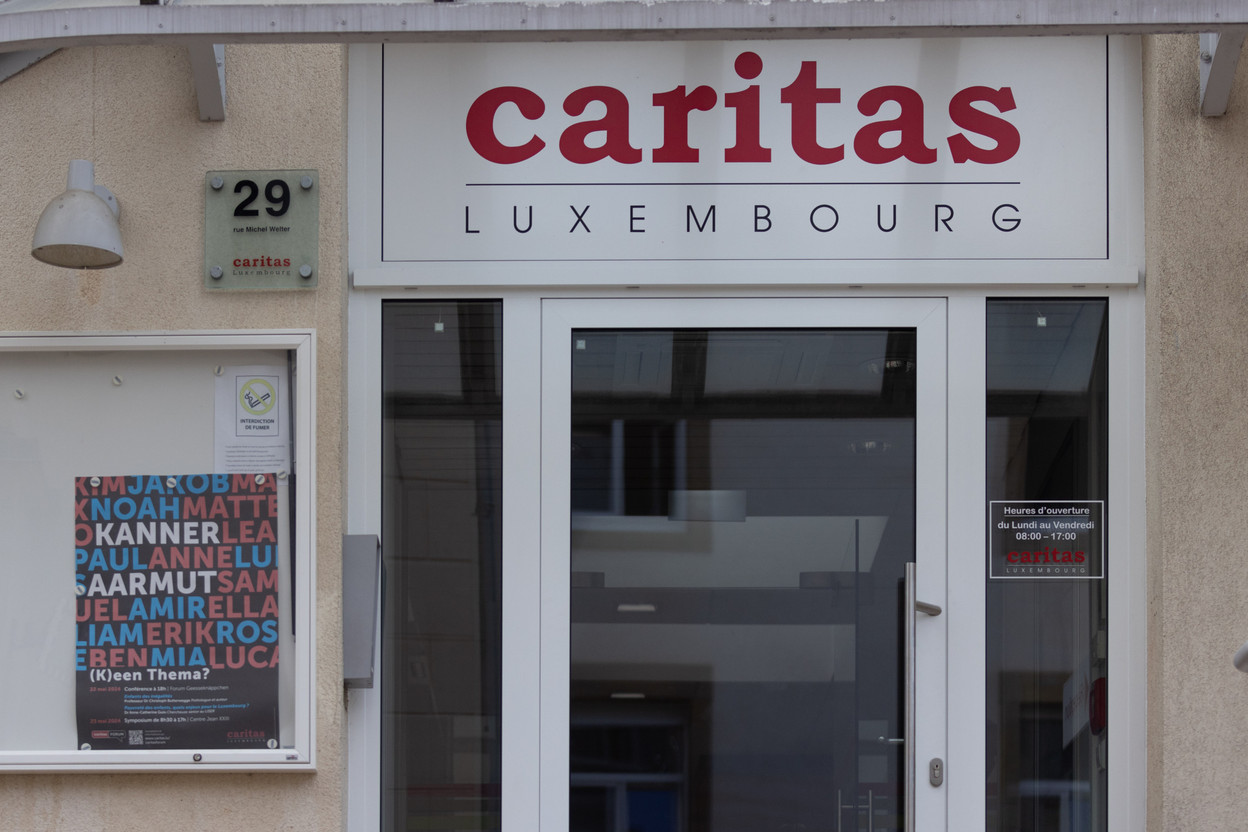
The proceedings were prompted by the revelation, on 16 July 2024, of a fraud targeting Caritas, which was suspected of irregular financial activities. The fraud enabled a network of crooks to make €61.2m disappear via thousands of bank transfers. This case led the CSSF to open both off-site and on-site investigations into two credit institutions: BGL BNP Paribas and Spuerkeess.
The investigations revealed that BGL BNP Paribas complied with its AML/CFT obligations, and the CSSF considered the case closed with no further action being taken. On the other hand, the investigation carried out at Spuerkeess between August and December 2024 uncovered a number of systemic deficiencies in its supervisory arrangements.
Despite an injunction already issued in 2018, the CSSF found that Spuerkeess’ transaction monitoring arrangements still had significant shortcomings, both in their design and in their operational functioning.
The grievances raised include:
- inadequate parameterisation of the suspicious transaction detection tool;
- deficiencies in the analysis of atypical movements, in particular simultaneous outgoing transfers in connection with large cash inflows;
- shortcomings in the monitoring of institutional or not-for-profit (NPO) clients, whose transactional profiles were not sufficiently modelled;
- specific flaws in the handling of business relationships with high-risk countries, including the failure to react to certain internal alerts.
These findings were made despite the bank’s good cooperation during the audit and the implementation of certain corrective measures.
The CSSF stresses, however, that it does not make any declaration on the direct responsibility of Spuerkeess in the fraud perpetrated by the charitable foundation. Its assessment relates solely to compliance with professional obligations in terms of due diligence, applicable to all clients.
This article was originally published in French.