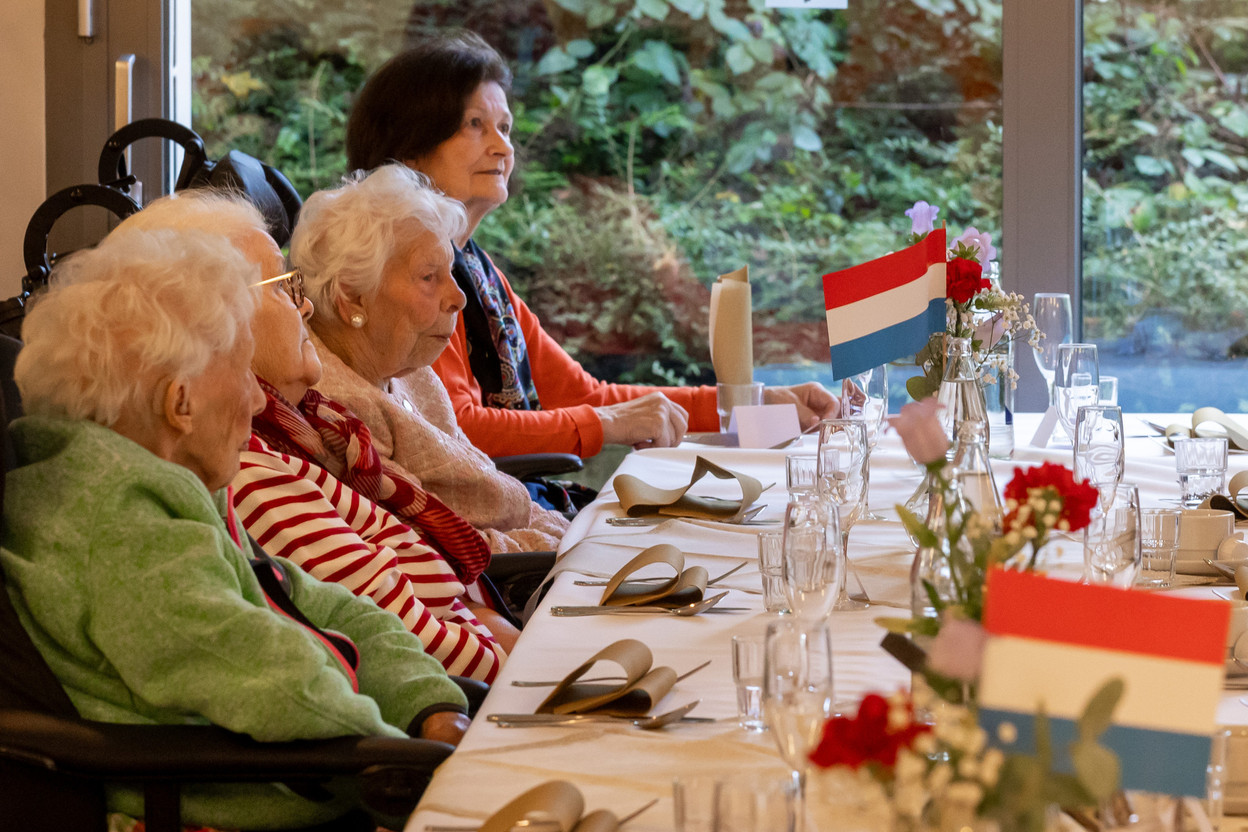
Behind the doors of Luxembourg’s apartments and houses, thousands of care workers provide daily assistance that allows older residents to remain at home for as long as possible. This discreet form of care is one of the cornerstones of the country’s ageing strategy. Yet it is also one of its most fragile pillars. As demographic pressure accelerates, the working conditions, financing and staffing of home care are becoming a strategic national issue.
On 27 November, the European Agency for Safety & Health at Work (EU-Osha) published a major study on the risks faced by home-care workers across Europe. While the findings are European in scope, they resonate directly with Luxembourg’s trajectory: demand for care at home is rising fast, but the sector remains structurally exposed to physical injury, emotional strain, labour shortages and chronic underfunding.
A workplace hidden inside private homes
Home care takes place where public policy traditionally looks least: in private homes. Bathrooms without handrails, narrow bedrooms, heavy furniture, inaccessible staircases, beds without adjustable height. Unlike hospitals or residential care facilities, these environments were never designed as workplaces.
EU-Osha defines home care as work carried out “within private homes, often without direct supervision.” Workers operate alone, adapt constantly to unpredictable layouts and frequently lack appropriate equipment. Standard safety rules are difficult to apply when every home is different.
The agency’s study is based on 243 scientific publications and interviews with unions, employers and sector experts. Six case studies across the EU show that prevention must be redesigned for domestic settings rather than institutional ones, room by room, not ward by ward.
Physical wear and emotional load
The most widespread occupational risk is physical. Musculoskeletal disorders dominate the sector. Daily lifting, repositioning, bathing, supporting falls and handling wheelchairs gradually damage backs, shoulders and joints. Over time, this leads to chronic pain, sickness absence and early exit from the profession.
Psychological strain is just as significant. Home-care workers move alone from household to household, supporting people with dementia, severe disability or at the end of life. Emotional involvement is high, peer support is limited and exhaustion accumulates. EU-Osha directly links lone-working conditions to stress and burnout.
Added to this are chemical and biological risks: disinfectants, medication handling, infectious droplets, as well as frequent slips and falls in confined or poorly adapted spaces.
As EU-Osha executive director William Cockburn summarises: “Home care workers are the invisible backbone of our care systems. They support our most vulnerable citizens, yet they often do so under precarious working conditions.”
Essential but structurally undervalued
Across Europe, home care remains among the lowest-paid care professions. More than half of workers fall into the lowest income brackets. Migrant labour helps cover shortages, but often under more fragile contractual protection and social-security coverage.
The same structural paradox exists in Luxembourg. Home care is central to the policy objective of “ageing at home”, yet it struggles to compete with hospitals in terms of pay, career progression and professional recognition. The result is a persistent recruitment challenge in a sector that is supposed to expand rapidly over the coming decades.
Luxembourg: ageing is no longer a forecast, it is a reality
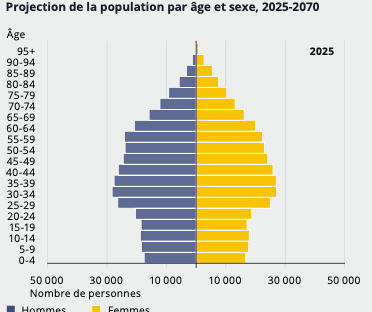
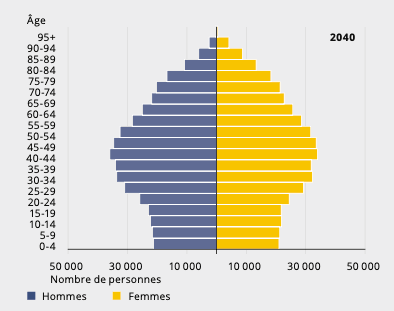
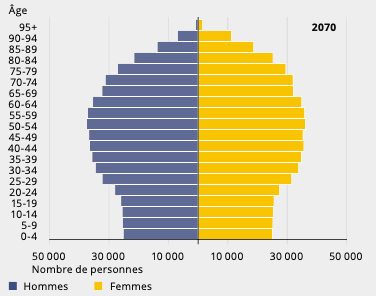
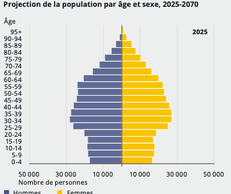
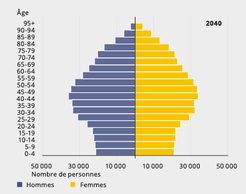
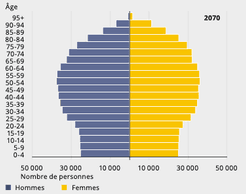
According to Statec, Luxembourg had 681,973 residents in 2025, of whom 15.2% were aged 65 or over. This share will rise to 19% by 2040 and reach 26% by 2070, meaning that one resident in four will be a senior.
The fastest growth concerns very old age. People aged 80 and over represent 4% of the population today but will account for 9% by 2070. This implies not only longer life expectancy, but longer periods of dependency and care needs.
Between 2011 and 2021 alone, the number of residents aged 65+ increased by 32%, while those aged 85+ rose by 53.5%. The demand for long-term assistance is therefore no longer a distant scenario – it is already reshaping the country’s care capacity.
Luxembourg’s overall population has grown rapidly through migration, but demographic growth alone cannot offset the mechanical effect of ageing. As the population pyramid gradually turns into a “barrel shape” dominated by older age groups, the domestic sphere increasingly becomes a central workplace of the national care system.
The workforce gap is already visible
This demographic pressure is no longer theoretical. In October 2023, Copas estimated that Luxembourg would need around 1,800 nurses and 1,800 care aides over five years – a total of 3,600 additional care professionals simply to maintain current service levels.
Night shifts alone require 310 full-time positions, adding €22.6 million per year to operating costs. At the same time, salary levels remain up to 17% lower than in the hospital sector, making recruitment increasingly difficult.
Several essential medical tasks – including medication management – remain structurally underfunded. The annual gap is estimated at €22 million for residential care and €15 million for care and support networks.
A strategic choice for Luxembourg’s social model
Luxembourg now faces a clear structural dilemma:
– the population is ageing rapidly;
– dependency periods are lengthening;
– demand for home-based care is rising in a lasting way.
At the same time, the workforce is exposed to physical exhaustion, emotional burnout, wage competition from hospitals and persistent staffing shortages.
If recruitment, funding and working conditions fail to scale at the same pace as demographic demand, access to care will increasingly depend on labour availability – and on households’ financial capacity. In that case, ageing at home would gradually shift from a universal social right to a selective resource.
Behind every ageing resident in Luxembourg, there will be a carer. The political question is no longer whether this workforce will be needed – but whether the country is prepared to secure it, structurally, financially and sustainably.